Tether (USDT) is a stablecoin pegged 1:1 to the US Dollar, meaning each USDT is backed by an equivalent amount of reserves. Tether maintains its peg by holding a mix of fiat assets, cash equivalents,Tether (USDT) is a stablecoin pegged 1:1 to the US Dollar, meaning each USDT is backed by an equivalent amount of reserves. Tether maintains its peg by holding a mix of fiat assets, cash equivalents,
Learn/Cryptocurrency Knowledge/Hot Concepts/How Tether ...DT Reserves

How Tether Maintains Its 1:1 Peg: Mechanics of USDT Reserves

Feb 12, 2026MEXC
0m
Vimverse
VIM$0.0186-76.63%
Hyperliquid
HYPE$72.82+5.82%
Presens Network
SENS$0.03501+143.12%
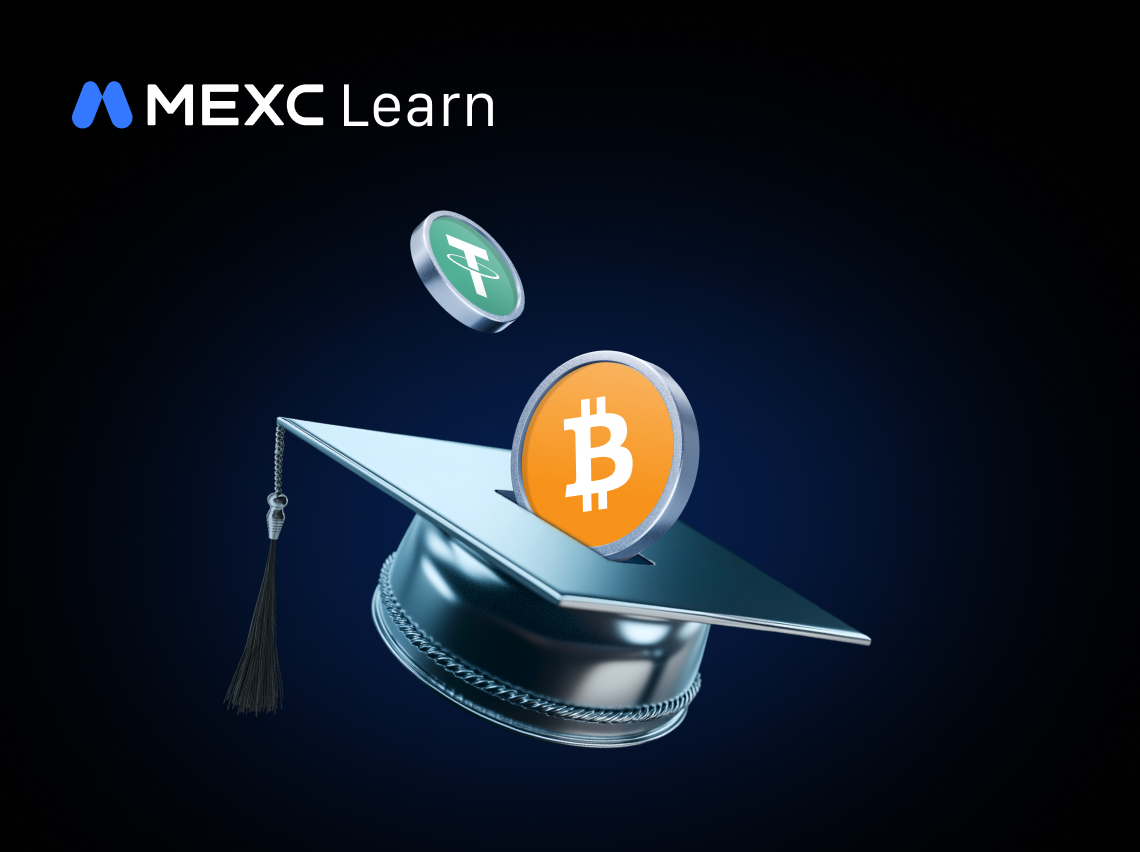
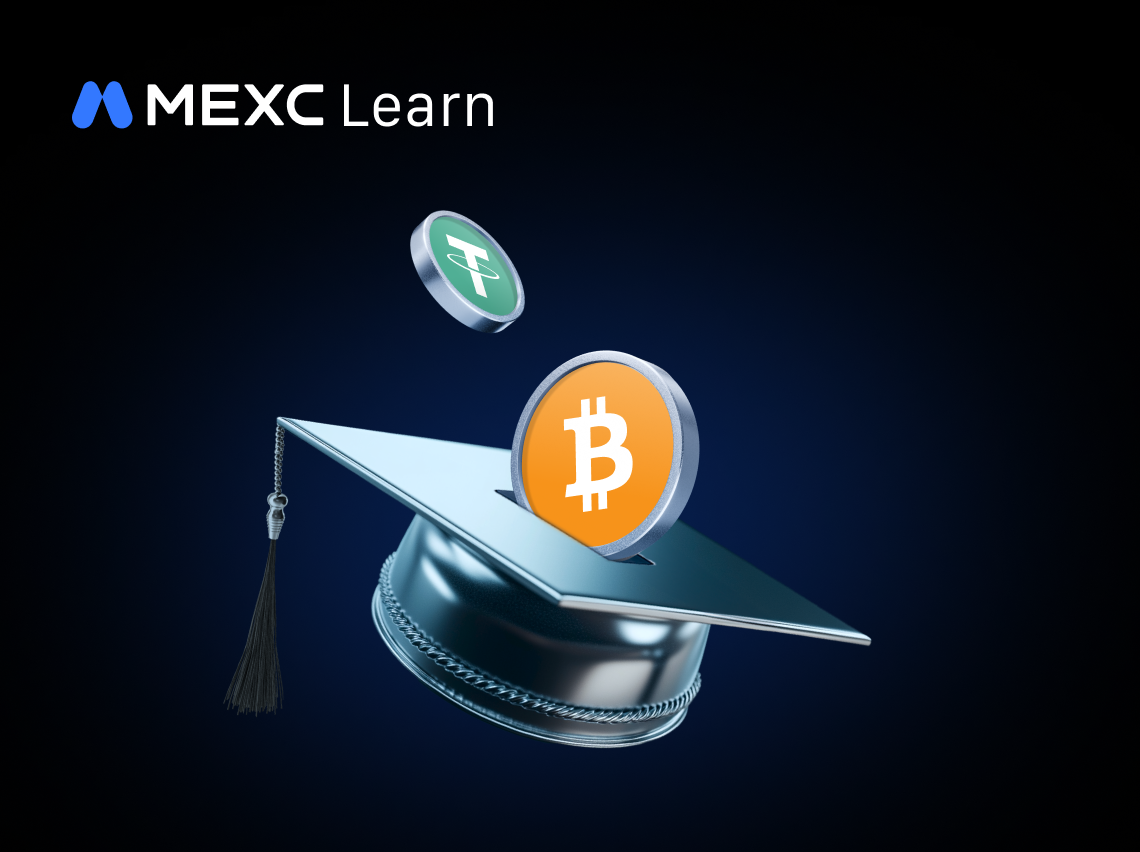
Tether (USDT) is a stablecoin pegged 1:1 to the US Dollar, meaning each USDT is backed by an equivalent amount of reserves. Tether maintains its peg by holding a mix of fiat assets, cash equivalents, and other reserves, ensuring its stability in the market.

TL;DR


  • Tether (USDT) is pegged 1:1 to the US Dollar, meaning for every USDT issued, there is an equivalent amount of reserves held.
  • Tether’s reserves include fiat currencies, cash equivalents, bank deposits, and other assets like bonds, loans, and other investments that help maintain the stable value of USDT.
  • The mechanics of USDT reserves are designed to ensure liquidity during both market crashes and bear markets.
  • Tether faces scrutiny regarding its reserve transparency, especially in the context of USDT depegging history.
  • Understanding Tether liquidity in a bear market and how it manages its reserves is crucial for maintaining the stable value of USDT.

Introduction


As the world’s most widely used stablecoin, Tether (USDT) plays a pivotal role in the cryptocurrency ecosystem by offering a stable, 1:1 peg to the US Dollar. This peg means that for every USDT issued, there is an equivalent amount of reserves held in Tether’s reserves to ensure its value remains consistent with the US Dollar. Tether’s ability to maintain this peg is central to its function as a stable medium of exchange, store of value, and trading pair in the crypto markets.

However, Tether’s reserve mechanics and the backing assets it holds have often been subject to scrutiny and debate. In this article, we’ll explore how Tether maintains its 1:1 peg, the mechanisms behind its reserves, and how it ensures stability, especially during market downturns or USDT depegging events.


What is Tether (USDT)?


Tether (USDT) is a stablecoin that is pegged to the US Dollar. The goal of USDT is to maintain a consistent value equal to $1, making it useful for traders and investors who want to avoid the volatility associated with other cryptocurrencies like Bitcoin and Ethereum.
The concept behind Tether’s peg lies in its reserve system. For every USDT issued, Tether holds a corresponding amount of reserves to back the coin. This ensures that the supply of USDT in circulation is always matched by an equivalent value of assets in its reserves.

How Tether Maintains Its 1:1 Peg


Tether’s ability to maintain its 1:1 peg with the US Dollar relies on a robust reserve system. Here’s how it works:

1.Reserve Composition: Tether’s reserves consist of fiat currencies, cash equivalents, bank deposits, and other assets like bonds, loans, and other investments. These assets are held in Tether’s reserve accounts and are periodically audited to ensure they are sufficient to cover the total supply of USDT in circulation.

2.Issuance of USDT: When a user deposits USD or other collateral into Tether’s accounts, Tether issues the equivalent amount of USDT on the blockchain. For example, if a user deposits $1,000, Tether will issue 1,000 USDT, maintaining the 1:1 peg.

3.Redemption Process: If a user wants to redeem their USDT for fiat currency, Tether can process the transaction and burn the USDT, ensuring that the total supply of USDT is reduced in line with the redemption.

4.Liquidity in the Market: One of the key features that Tether offers is liquidity. Since USDT is widely accepted across various exchanges and DeFi platforms, there is always a demand for USDT. Tether’s reserves are designed to be liquid and easily accessible to ensure users can redeem their USDT at any time without significant delays.

Reserve Transparency and Scrutiny


While Tether has consistently maintained its 1:1 peg, it has faced criticism over its reserve transparency. In the past, concerns arose about whether Tether held enough USD reserves to back the circulating supply of USDT. Tether has since taken steps to increase transparency, including publishing quarterly reports and commissioning third-party audits.

However, some critics remain skeptical about the full transparency of Tether’s reserves, especially when the market is under stress or during periods of USDT depegging. Tether’s reserve composition is a topic of ongoing debate in the crypto community.

Tether’s Liquidity in a Bear Market


In a bear market, liquidity becomes critical. During times of high market volatility or widespread crypto crashes, USDT must remain liquid and stable for traders to have confidence in its value. Tether’s reserve management is designed to ensure liquidity, even when cryptocurrency markets experience significant downturns.

Tether has a robust liquidity management system in place, allowing users to redeem USDT at any time, even when other assets experience extreme volatility. This is vital for Tether’s stability during times of market stress.


Tether’s Role in Stablecoin Mechanics During a Crash


Stablecoins like USDT play an essential role during market crashes. When prices of cryptocurrencies like Bitcoin or Ethereum decline significantly, traders often seek to move their assets into stablecoins like USDT to avoid further losses. This process, known as “safe-haven” investing, causes increased demand for USDT.

During a crypto crash, USDT’s stable value provides a safe store of value, ensuring that traders can protect their assets without exiting the cryptocurrency market entirely. This highlights the importance of Tether’s reserve mechanics in maintaining market confidence.


Tether Depegging History and Future Outlook


While Tether has generally maintained its 1:1 peg to the US Dollar, there have been brief moments in history where USDT’s price deviated from the dollar peg. These instances, often referred to as USDT depegging, can occur during times of market instability, regulatory scrutiny, or sudden shifts in demand.
Tether’s depegging history serves as a reminder of the challenges stablecoins face in maintaining their peg during periods of extreme market volatility. However, Tether’s strong reserves and liquidity mechanisms have allowed it to recover its peg quickly in most cases.
Looking ahead, Tether’s future stability will depend on reserve transparency, regulatory developments, and its ability to navigate global market fluctuations. As the cryptocurrency ecosystem continues to grow, Tether will play an increasingly important role in the broader stablecoin and DeFi landscape.

Frequently Asked Questions (FAQ)


How does Tether maintain its 1:1 peg with the US Dollar?

Tether maintains its 1:1 peg by holding reserves in fiat currencies, cash equivalents, and other assets to back the circulating supply of USDT.

What happens when USDT depegs from the US Dollar?

When USDT depegs, its value temporarily deviates from the 1:1 US Dollar peg, often due to market stress, liquidity issues, or loss of user confidence. However, Tether works to restore the peg quickly.

How does Tether’s liquidity work in a bear market?

In a bear market, Tether’s liquidity is crucial for allowing traders to redeem their USDT without delays. Tether’s reserves ensure that there is always enough liquidity to support redemptions even during market downturns.

What are the risks of Tether’s reserves?

The main risk to Tether’s reserves is the lack of full transparency about the assets it holds. While Tether publishes quarterly reports, some investors and regulators continue to call for more detailed audits.

What is the role of USDT during a crypto crash?

During a crypto crash, USDT serves as a safe-haven asset, allowing traders to convert volatile cryptocurrencies into a stable value while still participating in the crypto market.

Conclusion

Tether’s ability to maintain its 1:1 peg to the US Dollar is integral to its role in the cryptocurrency ecosystem. Through a strong reserve management system and constant liquidity, USDT offers a stable, reliable store of value during periods of market volatility. As the market for stablecoins continues to expand, Tether’s mechanisms will evolve to ensure it remains a trusted asset for both DeFi applications and traders.

Disclaimer

This article is for educational purposes only and does not constitute financial advice. Cryptocurrency markets are volatile, and the use of stablecoins like Tether (USDT) involves inherent risks. Always conduct thorough research and consider your risk tolerance before engaging in any cryptocurrency activities.
Market Opportunity
Vimverse Logo
Vimverse Price(VIM)
$0.0186
$0.0186$0.0186
-26.77%
USD
Vimverse (VIM) Live Price Chart

Popular Articles

View More
Hyperliquid ETFs Draw Record Inflows as HYPE Breaks Above $60

Hyperliquid ETFs Draw Record Inflows as HYPE Breaks Above $60

Hyperliquid is becoming one of the clearest DeFi winners of 2026 as ETFs tied to the protocol attract record inflows and the HYPE token trades above $60. According to The Block, Hyperliquid ETFs

How to Bridge to Hyperliquid(HYPE): Step-by-Step Deposit Guide

How to Bridge to Hyperliquid(HYPE): Step-by-Step Deposit Guide

Bridging to Hyperliquid is a straightforward process that enables you to deposit funds and start trading on the platform. This step-by-step guide walks you through the process of transferring assets

Understanding Hyperliqud(HYPE) Funding Rates & How They Work

Understanding Hyperliqud(HYPE) Funding Rates & How They Work

Hyperliquid funding rates are a crucial component of perpetual futures trading. These rates determine the cost or reward for holding positions over time and are exchanged between long and short

The Hyperliquid(HYPE) Ecosystem: Top Projects Building on the L1

The Hyperliquid(HYPE) Ecosystem: Top Projects Building on the L1

The Hyperliquid ecosystem is rapidly expanding, driven by a range of exciting DeFi projects and innovations built on the Hyperliquid L1 blockchain. With its focus on perpetual futures trading and

Hot Crypto Updates

View More
Bitcoin ETFs Lost $1.26B — So Where Did the Money Go?

Bitcoin ETFs Lost $1.26B — So Where Did the Money Go?

Bitcoin ETFs bled $1.26B in a single week while HYPE hit a new all-time high and XRP logged its strongest ETF inflow week of 2026. Here's what the rotation data actually tells us about where

HYPE and ZEC Both Surge 20% — Here Is What Is Actually Driving the Rally

HYPE and ZEC Both Surge 20% — Here Is What Is Actually Driving the Rally

HYPE surged ~20% in 24 hours on the SEC Innovation Exemption, Bitwise BHYP ETF launch, and Coinbase taking over Hyperliquid's USDC treasury. ZEC jumped ~18% on Grayscale's first-ever privacy coin

5 Best Crypto Cards in 2026: Real Cashback vs. Marketing Claims

5 Best Crypto Cards in 2026: Real Cashback vs. Marketing Claims

A no-hype comparison of the 5 best crypto cards in 2026 — Crypto.com, Binance, Bybit, Coinbase, and Wirex. We break down real cashback rates, hidden fees, staking requirements, and who each card

Beyond the Hype: Why Polymarket's Rise Signals a New Era for Crypto Applications in 2026

Beyond the Hype: Why Polymarket's Rise Signals a New Era for Crypto Applications in 2026

Polymarket just set a $425M single-day trading record. But the bigger story is what prediction markets reveal about where crypto is actually heading in 2026 — and why Wall Street is paying $2B to

Trending News

View More
Chainlink (LINK) Price: Testing Channel Support as Mastercard Deal and RWA Momentum Build

Chainlink (LINK) Price: Testing Channel Support as Mastercard Deal and RWA Momentum Build

TLDR LINK is trading around $9.02–$9.10, down roughly 7% over the past two weeks but up about 1.8% in the last 24 hours. Price is consolidating in a tight range

Blue Language Labs Emerges from Stealth to Launch the Coordination Layer for AI Agents That Do Real Business

Blue Language Labs Emerges from Stealth to Launch the Coordination Layer for AI Agents That Do Real Business

Gives businesses and financial institutions the structure to approve, verify, and rely on agent-driven business processes Blue Language Labs emerged from stealth

Euro flat near 1.1650 vs USD as ECB bets offset Fed and geopolitics

Euro flat near 1.1650 vs USD as ECB bets offset Fed and geopolitics

The post Euro flat near 1.1650 vs USD as ECB bets offset Fed and geopolitics appeared on BitcoinEthereumNews.com. The EUR/USD pair struggles to capitalize on its

World Cup Stocks to Watch in 2026: Sports, Media, Travel, and Consumer Brands Linked to the Global Football Economy

World Cup Stocks to Watch in 2026: Sports, Media, Travel, and Consumer Brands Linked to the Global Football Economy

The FIFA World Cup is one of the most watched sporting events in the world. Around the tournament cycle, global attention often flows into football-related consumption, including sportswear, beverages

Related Articles

View More
How Many People Own XRP? Complete Ownership Statistics

How Many People Own XRP? Complete Ownership Statistics

Wondering how many people own XRP and where you stand among global holders?This guide breaks down XRP ownership statistics using blockchain data and official sources.You'll discover wallet distributio

WisdomTree Bitcoin Fund (BTCW): Fees, ISIN, and How It Works

WisdomTree Bitcoin Fund (BTCW): Fees, ISIN, and How It Works

Buying Bitcoin directly means dealing with wallets, private keys, and custody risks that put off many investors.WisdomTree Physical Bitcoin (BTCW) was built to solve exactly that — giving investors cl

Jack Dorsey's Bitcoin Faucet: What btc.day Is, How It Works, and What You Need to Know

Jack Dorsey's Bitcoin Faucet: What btc.day Is, How It Works, and What You Need to Know

Jack Dorsey's name and "free Bitcoin" appeared together all over social media in early 2026 — and for once, it wasn't a scam.This article explains who Jack Dorsey is in the Bitcoin world, how the Jack

Does Ray Dalio Own Bitcoin? His Views, Warnings, and Portfolio Advice Explained

Does Ray Dalio Own Bitcoin? His Views, Warnings, and Portfolio Advice Explained

Ray Dalio has spent more than 50 years reading global markets, and when he talks about Bitcoin, investors listen — even when they disagree.He owns it, criticizes it, and recommends you think carefully

Sign Up on MEXC
Sign Up & Receive Up to 10,000 USDT Bonus
RealStocks Now Live
RealStocks Now LiveRealStocks Now Live
Trade real U.S. stock via regulated brokerage