WildMeta has disclosed a strategic integration with Aster DEX, marking a significant expansion of its Web3 trading discovery platform. The collaboration is positionedWildMeta has disclosed a strategic integration with Aster DEX, marking a significant expansion of its Web3 trading discovery platform. The collaboration is positioned

WildMeta Expands Cross-Chain Trading With Aster DEX Integration

2026/03/02 14:42
Okuma süresi: 4 dk

WildMeta has disclosed a strategic integration with Aster DEX, marking a significant expansion of its Web3 trading discovery platform. The collaboration is positioned to allow traders to reach decentralized perpetual markets through a single access point. By connecting with Aster DEX, the platform is expected to deliver deeper cross-chain liquidity and broader exposure to decentralized trading strategies spanning multiple blockchain networks.

According to the announcement, the integration enables Aster DEX to operate directly within WildMeta’s execution gateway. This gateway functions as a visualization and execution layer between users and decentralized trading protocols, while ensuring that user funds remain fully self-custodied and are not held by the platform itself. Industry observers view this architecture as an important trust and security feature for decentralized finance participants.

Access to High-Volume Decentralized Liquidity

With the addition of Aster DEX, WildMeta users gain exposure to the ASTER token ecosystem and access to liquidity that has historically been difficult to reach through centralized exchanges. The platform indicated that Aster DEX processes more than $1 billion in daily trading volume, which significantly expands the range of liquidity available to traders operating through WildMeta’s interface.

This increase in accessible volume is expected to improve price discovery and execution quality across decentralized markets. Analysts suggest that such integrations are becoming increasingly important as traders seek alternatives to siloed liquidity pools and fragmented trading environments.

Multi-Chain Infrastructure Removes Friction

WildMeta emphasized that the integration relies on a multi-chain framework powered by Heima Network. This infrastructure is designed to remove technical barriers between decentralized exchanges operating on different blockchains. Through this system, traders can deposit assets from any supported blockchain into a unified funding wallet.

 Once assets are deposited, the platform automatically converts them into the formats required by supported trading protocols. This approach eliminates the need for users to manually bridge or transfer funds between blockchains before executing trades. As a result, cross-chain trading becomes faster, simpler, and less error-prone, which is seen as a major usability improvement for decentralized finance participants.

AI-Driven Trading Execution

Beyond liquidity aggregation, WildMeta continues to emphasize automation through artificial intelligence. The platform’s AI orchestration layer continuously analyzes market data and executes trading strategies based on predefined instructions. Users can reportedly submit trading directives using natural language commands, which the system then interprets and routes through the execution gateway.

The integration of Aster DEX builds on WildMeta’s existing decentralized trading support, which previously included access through Hyperliquid. By adding Aster DEX as another major liquidity source, the platform broadens its discovery terminal and enhances the range of decentralized trading tools available to users.

Aster DEX’s Broader Ecosystem Plans

Aster DEX is known for offering high-leverage decentralized trading, with leverage levels reportedly reaching up to 1,001x. Development of the platform is supported by YZi Labs, which plays a role in backing ecosystem growth and infrastructure development.

Looking ahead, Aster DEX is also preparing to launch its own blockchain infrastructure. The project plans to introduce a Layer-1 network called Aster Chain, with developers targeting a mainnet launch by March 2026. The upcoming network is intended to deliver improved speed, scalability, and performance tailored to decentralized trading use cases.

Strengthening the Web3 Discovery Layer

WildMeta indicated that the partnership reinforces its position as a Web3 discovery terminal designed to help traders identify emerging assets and strategies across decentralized finance markets. The platform reported that thousands of traders already rely on its tools to explore DeFi opportunities. With the inclusion of Aster DEX, users are expected to gain broader exposure to cross-chain liquidity pools and more diverse trading environments.

As decentralized trading infrastructure continues to evolve, collaborations such as this one highlight a broader industry effort to simplify access to multi-chain crypto markets. Observers suggest that increased interoperability and aggregated liquidity could play a key role in driving the next phase of DeFi adoption.

The post WildMeta Expands Cross-Chain Trading With Aster DEX Integration appeared first on CoinTrust.

Sorumluluk Reddi: Bu sitede yeniden yayınlanan makaleler, halka açık platformlardan alınmıştır ve yalnızca bilgilendirme amaçlıdır. MEXC'nin görüşlerini yansıtmayabilir. Tüm hakları telif sahiplerine aittir. Herhangi bir içeriğin üçüncü taraf haklarını ihlal ettiğini düşünüyorsanız, kaldırılması için lütfen crypto.news@mexc.com ile iletişime geçin. MEXC, içeriğin doğruluğu, eksiksizliği veya güncelliği konusunda hiçbir garanti vermez ve sağlanan bilgilere dayalı olarak alınan herhangi bir eylemden sorumlu değildir. İçerik, finansal, yasal veya diğer profesyonel tavsiye niteliğinde değildir ve MEXC tarafından bir tavsiye veya onay olarak değerlendirilmemelidir.

Ayrıca Şunları da Beğenebilirsiniz

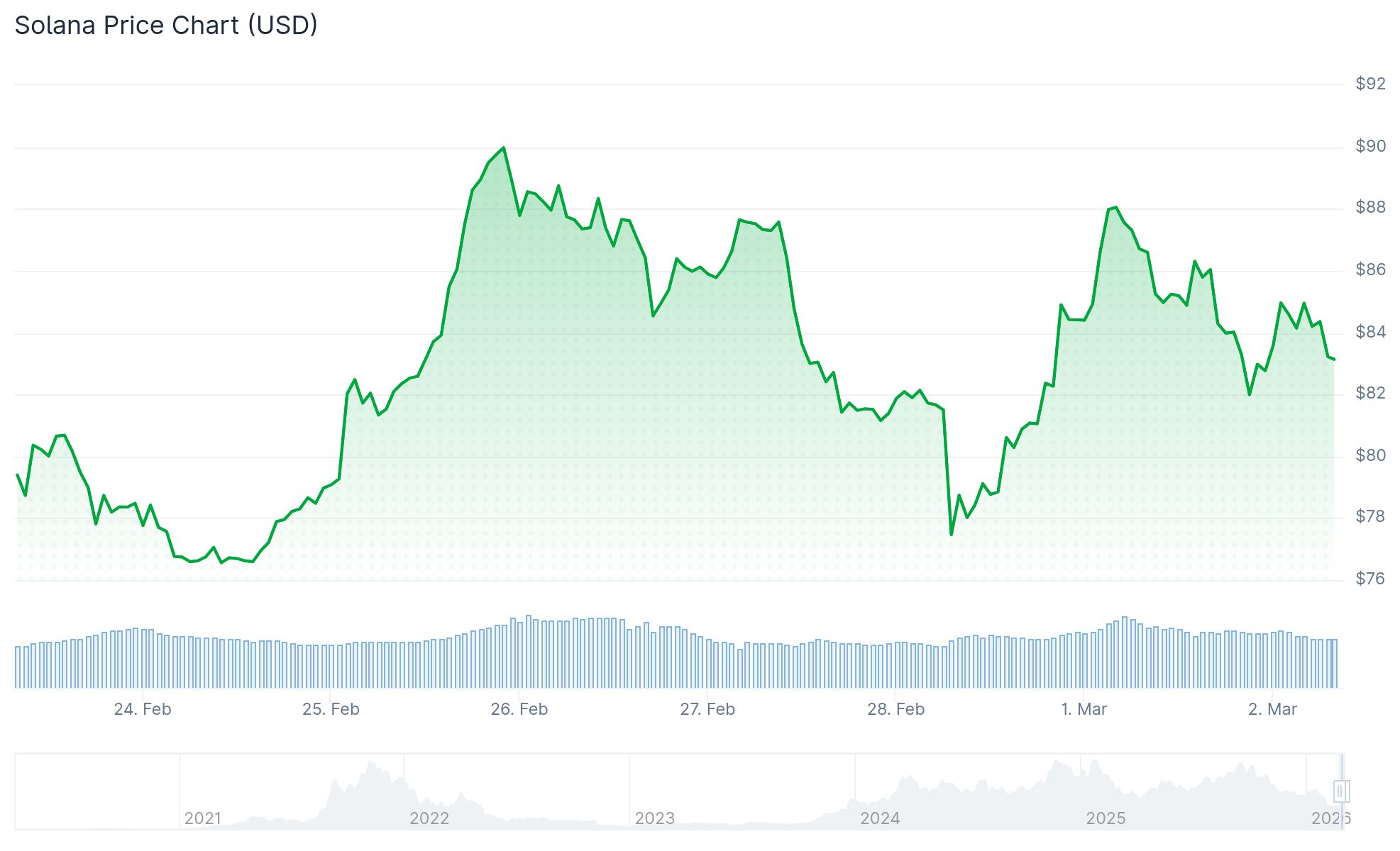
Solana (SOL) Price: Is a Breakout Coming After Four Weeks Stuck in the Same Range?

Solana (SOL) Price: Is a Breakout Coming After Four Weeks Stuck in the Same Range?

TLDR Solana (SOL) has traded in a tight $77–$88 range for nearly four weeks with no clear trend direction US spot Solana ETFs recorded over $44 million in weekly
Paylaş
Coincentral2026/03/02 15:55
South Africa Tax Collector Deploys New Tech to Track Crypto and Offshore Assets

South Africa Tax Collector Deploys New Tech to Track Crypto and Offshore Assets

The post South Africa Tax Collector Deploys New Tech to Track Crypto and Offshore Assets appeared on BitcoinEthereumNews.com. South African crypto-asset service
Paylaş
BitcoinEthereumNews2026/03/02 16:33
Crypto Futures Liquidation: Unpacking the Stunning $105 Million Market Shock

Crypto Futures Liquidation: Unpacking the Stunning $105 Million Market Shock

BitcoinWorld Crypto Futures Liquidation: Unpacking the Stunning $105 Million Market Shock The cryptocurrency market just experienced a sudden jolt, with a staggering $105 million worth of futures liquidated in a single hour. This dramatic event, part of a larger $311 million wipeout over the past 24 hours, has sent ripples across major exchanges. For many traders, this recent wave of crypto futures liquidation serves as a stark reminder of the inherent volatility and risks associated with leveraged trading in digital assets. What Exactly is Crypto Futures Liquidation? Understanding what happened requires a quick look at futures trading. A crypto futures contract is essentially an agreement to buy or sell a cryptocurrency at a predetermined price on a specified future date. Traders use these contracts to speculate on future price movements without owning the underlying asset. Leverage Amplifies Gains and Losses: Many traders utilize leverage, which means they borrow funds to increase their trading position beyond their initial capital. While leverage can magnify profits, it also significantly amplifies potential losses. Margin Calls and Forced Selling: When the market moves against a leveraged position, a trader’s margin (the collateral they put up) might fall below a required threshold. This triggers a “margin call,” where they need to add more funds. If they fail to do so, the exchange automatically closes their position to prevent further losses – this forced closure is known as crypto futures liquidation. The Recent $105 Million Crypto Futures Liquidation: What Triggered It? The recent surge in crypto futures liquidation, particularly the rapid $105 million in one hour, indicates a sharp and unexpected price movement. While the exact catalyst can be complex, such rapid liquidations often occur during: Sudden Price Swings: A rapid upward or downward movement in a major cryptocurrency’s price can quickly push many leveraged positions into unprofitable territory, leading to widespread liquidations. Market-Wide Sentiment Shifts: Unexpected news, regulatory announcements, or macroeconomic data can trigger a sudden shift in market sentiment, causing a cascade of selling or buying pressure. Over the past 24 hours, the total figure climbed to $311 million, highlighting a period of sustained volatility that caught many leveraged traders off guard. Why Does Leverage Play a Crucial Role in Futures Liquidation? Leverage is a double-edged sword. It allows traders to control large positions with relatively small amounts of capital. However, even a minor price fluctuation can have a significant impact on highly leveraged positions. When the market moves contrary to a trader’s bet, their equity can diminish rapidly. This is where the automatic liquidation mechanism kicks in. Exchanges implement this system to protect themselves and other traders from excessive losses. It ensures that a trader’s losses do not exceed their collateral, but it also means positions can be closed unexpectedly and quickly, contributing to the dramatic numbers seen in the recent crypto futures liquidation event. Navigating the Volatility: How Can Traders Prepare for Futures Liquidation Events? For those involved in or considering crypto futures trading, understanding and managing risk is paramount. The recent crypto futures liquidation serves as a powerful lesson. Here are some actionable insights: Use Lower Leverage: While tempting, high leverage dramatically increases risk. Opting for lower leverage significantly reduces the chance of premature liquidation. Implement Stop-Loss Orders: These orders automatically close a position if the price reaches a predetermined level, limiting potential losses before a full liquidation occurs. Manage Position Sizing: Never allocate too much of your portfolio to a single trade, especially a leveraged one. Diversification and responsible position sizing are key. Stay Informed: Keep abreast of market news, technical analysis, and global economic factors that could influence cryptocurrency prices. Beyond the Headlines: What Does This Mean for the Broader Crypto Market? While large-scale crypto futures liquidation events can be unsettling, they are a regular, albeit dramatic, feature of highly leveraged markets. Often, such events can “cleanse” the market of over-leveraged positions, potentially paving the way for more stable price action in the short term. However, they also underscore the need for caution and robust risk management practices, especially for new traders entering the volatile world of crypto futures. The recent $105 million liquidation is a stark reminder that while opportunities abound in crypto, so do significant risks. It emphasizes the importance of understanding the tools you’re using, especially leverage, and trading responsibly to protect your capital. Stay informed, manage your risks, and approach the market with a clear strategy. Frequently Asked Questions About Crypto Futures Liquidation Q1: What is the primary cause of crypto futures liquidation? A1: The primary cause is typically a sudden and significant price movement in the underlying cryptocurrency that goes against a trader’s leveraged position, causing their margin to fall below the exchange’s required maintenance level. Q2: How can traders avoid liquidation in futures trading? A2: Traders can reduce their risk of liquidation by using lower leverage, setting stop-loss orders to automatically close positions at a certain loss level, managing their position sizes responsibly, and continuously monitoring market conditions. Q3: Does liquidation only happen with leveraged positions? A3: Yes, liquidation specifically refers to the forced closure of a leveraged position when the trader’s collateral (margin) is insufficient to cover potential losses. Spot trading, where you own the asset outright, does not involve liquidation in the same manner. Q4: Is a crypto futures liquidation event bad for the entire market? A4: While immediate liquidations can cause further price volatility and negatively impact sentiment, some analysts view them as a “cleansing” event that removes excessive leverage from the market, potentially leading to a healthier, more stable environment in the long run. However, it certainly signifies a period of heightened risk. Q5: What is the difference between a margin call and liquidation? A5: A margin call is a notification from the exchange that your margin level is too low and you need to deposit more funds to maintain your position. Liquidation is what happens if you fail to meet that margin call; the exchange automatically closes your position to prevent further losses. Understanding market dynamics like crypto futures liquidation is crucial for navigating the cryptocurrency space. If you found this article insightful, please share it with your network on social media to help others better understand these significant market events and trade more responsibly. To learn more about the latest crypto market trends, explore our article on key developments shaping Bitcoin price action. This post Crypto Futures Liquidation: Unpacking the Stunning $105 Million Market Shock first appeared on BitcoinWorld.
Paylaş
Coinstats2025/09/19 23:40