Organisations are rapidly integrating artificial intelligence (AI) into their operations. According to a recent study by McKinsey, 78% of organisations are usingOrganisations are rapidly integrating artificial intelligence (AI) into their operations. According to a recent study by McKinsey, 78% of organisations are using

Staying Ahead of Security Blind Spots in the Age of AI

Organisations are rapidly integrating artificial intelligence (AI) into their operations. According to a recent study by McKinsey, 78% of organisations are using AI within at least one business function. In parallel, AI adoption is accelerating at an extraordinary pace, with global investments forecasted to exceed $300 billion by 2025.  

As employees seek faster and smarter tools to support them in their roles, and organisations look for ways to close the current skills gap, increase productivity and accelerate innovation, AI tools have become an essential resource for enterprises. However, the rapid rise of AI has also led to a surge in unauthorised AI use, known as shadow AI, raising concerns that this will expose individuals and organisations to significant risk and vulnerabilities.  

When employees deploy AI tools without oversight from security and IT teams, the risk of unintended data leakage increases significantly. Compliance with regulations like GDPR, DORA, and HIPAA relies on having comprehensive visibility into how data is accessed, processed, and shared. As AI adoption accelerates, the rise of shadow AI undermines this visibility and significantly increases the risks of non-compliance. 

Today’s security leaders are operating in an environment that’s more distributed, more dynamic, and harder to control. AI workloads are introducing unprecedented traffic patterns and explosive data growth. According to the Gigamon Hybrid Cloud Security Survey, 1 in 3 organisations report that network data volumes have more than doubled in the past two years due to AI. Traditional security tools that rely on MELT (metrics, events, logs, and traces) data, weren’t designed to deal with this volume and level of complexity. Consequently, they struggle to detect AI-driven threats and the result is a significant increase in blind spots across these complex environments.  

AI tools also expand the organisational attack surface. Corporate LLMs have increasingly become a lucrative target for threat actors, with 47% of organisations now reporting an increase in attacks targeting their AI/LLM deployments. This growing threat landscape is compounded by the complexity of hybrid cloud environments, where AI workloads often span multiple platforms. As corporate LLMs become more deeply integrated into business operations, the consequences of a successful breach, ranging from intellectual property theft to model manipulation, can be severe and far-reaching. 

When compromise becomes the new norm 

Pressured to deploy AI systems as quickly as possible, the real challenge for organisations lies in managing how AI is deployed internally, how sensitive data is being used, and how security operations can keep pace. Whilst every business claims that security is a priority, 91% of s​​​​ecurity and IT leaders admit they’re making significant and potentially dangerous compromises in their security strategies amid the AI surge. Teams are forced into making difficult decisions, prioritising agility and speed over visibility, often having to sideline clean, high-quality data to support new AI deployments and integrating complex environments faster than they can be secured. 

The most significant trade-off for security leaders is insufficient visibility of data in motion across networks. A lack of insight into AI-generated traffic, whether it’s sanctioned or unsanctioned, including apps, workloads, and large language models, makes effective governance impossible and exposes the organisation to serious risks, including non-compliance and data poisoning. 

Staying ahead in the age of AI  

One thing is clear—this new age demands a different approach. To stay ahead, CISOs should prioritize an offensive vs. defensive strategy, reassessing the risks tied to AI, and placing visibility at the centre of everything that they do. To combat shadow AI, one in three CISOs are now implementing guardrails around the usage of large language models. Metadata has also emerged as essential to securing AI deployments and making existing security tools more effective. The key for CISOs is having a single source of truth that reveals what is really happening across hybrid cloud environments. Traditional telemetry is no longer enough. As AI workloads proliferate, organisations require comprehensive visibility and actionable insights to reduce risk, improve governance and address compliance gaps. The security and observability tools in use today are not broken, they are just ineffective because they often lack precise network insights. By combining network telemetry with application-level context and metadata, security teams can augment their existing tools, detect previously unseen threats, accelerate the resolution of performance issues, and shine a spotlight on hidden vulnerabilities.  

Fighting AI with AI: The Next Step in Visibility 

The clearer and deeper the picture, the faster security teams can identify root causes and defend against the new wave of AI-powered attacks. That’s why the next evolution of visibility is being driven by AI itself. Agentic AI is supporting security teams by fusing network-derived telemetry with insights, meaning analysts can interact with trusted metadata directly, gaining context-rich insights and instant guidance without the need for manual analysis of dashboard metrics.  

For security teams, this means spending less time searching for the needle in the haystack, dramatically increasing time to resolution. For CISOs, it means enhancing their team’s capabilities with instant actionable insights, overcoming resource constraints and closing critical skills gaps—all critical for staying ahead in this new era of AI. 

Piyasa Fırsatı
Sleepless AI Logosu
Sleepless AI Fiyatı(AI)
$0.03761
$0.03761$0.03761
+2.73%
USD
Sleepless AI (AI) Canlı Fiyat Grafiği
Sorumluluk Reddi: Bu sitede yeniden yayınlanan makaleler, halka açık platformlardan alınmıştır ve yalnızca bilgilendirme amaçlıdır. MEXC'nin görüşlerini yansıtmayabilir. Tüm hakları telif sahiplerine aittir. Herhangi bir içeriğin üçüncü taraf haklarını ihlal ettiğini düşünüyorsanız, kaldırılması için lütfen service@support.mexc.com ile iletişime geçin. MEXC, içeriğin doğruluğu, eksiksizliği veya güncelliği konusunda hiçbir garanti vermez ve sağlanan bilgilere dayalı olarak alınan herhangi bir eylemden sorumlu değildir. İçerik, finansal, yasal veya diğer profesyonel tavsiye niteliğinde değildir ve MEXC tarafından bir tavsiye veya onay olarak değerlendirilmemelidir.

Ayrıca Şunları da Beğenebilirsiniz

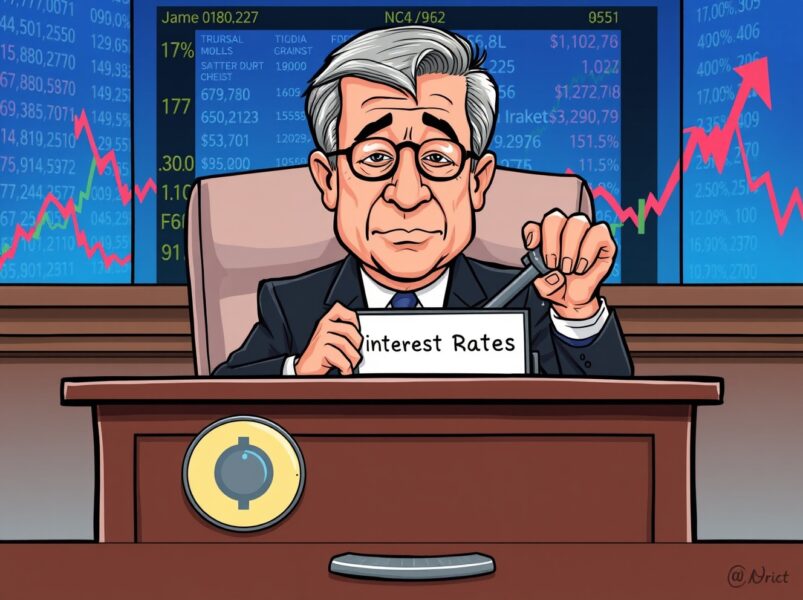
Crucial Fed Rate Cut: Powell’s Bold Risk Management Move Explained

Crucial Fed Rate Cut: Powell’s Bold Risk Management Move Explained

BitcoinWorld Crucial Fed Rate Cut: Powell’s Bold Risk Management Move Explained In a significant development for global financial markets, Federal Reserve Chair Jerome Powell recently described the latest Fed rate cut as a critical risk management measure. This statement immediately captured the attention of investors, economists, and especially those in the dynamic cryptocurrency space. Understanding Powell’s rationale and the potential implications of this move is essential for navigating today’s complex economic landscape. What Exactly is a Fed Rate Cut and Why Does it Matter? A Fed rate cut refers to the Federal Reserve lowering the target range for the federal funds rate. This is the interest rate at which commercial banks borrow and lend their excess reserves to each other overnight. When the Fed lowers this rate, it typically makes borrowing cheaper across the entire economy. This decision impacts everything from mortgage rates to business loans. The Fed uses interest rates as a primary tool to influence economic activity, aiming to achieve maximum employment and stable prices. A lower rate often stimulates spending and investment, but it can also signal concerns about economic slowdown. Key reasons for a rate cut often include: Slowing economic growth or recession fears. Low inflation or deflationary pressures. Global economic instability impacting domestic markets. A desire to provide more liquidity to the financial system. Powell’s emphasis on ‘risk management’ suggests a proactive approach. The Fed is not just reacting to current data but also anticipating potential future challenges. They are essentially trying to prevent a worse economic outcome by adjusting policy now. How Does a Fed Rate Cut Influence the Broader Economy? When the Federal Reserve implements a Fed rate cut, it sends ripples throughout the financial world. For traditional markets, lower interest rates generally mean: Boost for Stocks: Companies can borrow more cheaply, potentially increasing profits and stock valuations. Investors might also move money from lower-yielding bonds into equities. Cheaper Borrowing: Consumers and businesses enjoy lower rates on loans, from mortgages to credit cards, encouraging spending and investment. Weaker Dollar: Lower rates can make a country’s currency less attractive to foreign investors, potentially leading to a weaker dollar. Bond Market Shifts: Existing bonds with higher yields become more attractive, while newly issued bonds will have lower yields. This shift in monetary policy aims to inject confidence and liquidity into the system, countering potential economic headwinds. However, there’s always a delicate balance to strike, as too much stimulus can lead to inflationary pressures down the line. What Does This Fed Rate Cut Mean for Cryptocurrency Investors? The impact of a Fed rate cut on the cryptocurrency market is often a topic of intense discussion. While crypto assets operate independently of central banks, they are not immune to broader macroeconomic forces. Here’s how a rate cut can play out: Increased Risk Appetite: With traditional savings and bond yields potentially lower, investors might seek higher returns in riskier assets, including cryptocurrencies like Bitcoin and Ethereum. Inflation Hedge Narrative: Some view cryptocurrencies, particularly Bitcoin, as a hedge against inflation and traditional currency debasement. If a rate cut leads to concerns about inflation, this narrative could gain traction. Liquidity Influx: A more accommodative monetary policy can increase overall liquidity in the financial system, some of which may flow into digital assets. Dollar Weakness: A weaker dollar, a potential consequence of rate cuts, can sometimes make dollar-denominated assets like crypto more appealing to international investors. However, it’s crucial to remember that the crypto market also has its unique drivers, including technological developments, regulatory news, and market sentiment. While a Fed rate cut can provide a tailwind, it’s not the sole determinant of crypto performance. Navigating the New Landscape: Actionable Insights for Crypto Investors Given the Federal Reserve’s stance on risk management through a Fed rate cut, what steps can crypto investors consider? Stay Informed: Keep a close watch on further Fed announcements and economic data. Understanding the broader macroeconomic picture is vital. Diversify Your Portfolio: While a rate cut might favor risk assets, a balanced portfolio that includes a mix of traditional and digital assets can help mitigate volatility. Long-Term Perspective: Focus on the fundamental value and long-term potential of your chosen cryptocurrencies rather than short-term fluctuations driven by macro news. Assess Risk Tolerance: Re-evaluate your personal risk tolerance in light of potential market shifts. Lower rates can encourage speculation, but prudence remains key. Powell’s description of the Fed rate cut as a risk management measure highlights the central bank’s commitment to maintaining economic stability. For cryptocurrency enthusiasts, this move underscores the increasing interconnectedness of traditional finance and the digital asset world. While a rate cut can create opportunities, a thoughtful and informed approach is always the best strategy. Frequently Asked Questions (FAQs) What exactly is a Fed rate cut? A Fed rate cut is when the Federal Reserve lowers its target for the federal funds rate, which is the benchmark interest rate banks charge each other for overnight lending. This action makes borrowing cheaper across the economy, aiming to stimulate economic activity. Why did Powell emphasize “risk management” for this Fed rate cut? Jerome Powell emphasized “risk management” to indicate that the Fed was proactively addressing potential economic slowdowns or other future challenges. It suggests a preventative measure to safeguard against adverse economic conditions rather than merely reacting to existing problems. How does a Fed rate cut typically affect the crypto market? A Fed rate cut can make traditional investments less attractive due to lower yields, potentially driving investors towards higher-risk, higher-reward assets like cryptocurrencies. It can also increase overall market liquidity and strengthen the narrative of crypto as an inflation hedge. Should crypto investors change their strategy after a rate cut? While a rate cut can influence market dynamics, crypto investors should primarily focus on their long-term strategy, fundamental research, and risk tolerance. It’s wise to stay informed about macroeconomic trends but avoid making impulsive decisions based solely on a single policy change. What are the potential downsides of a Fed rate cut? Potential downsides include increased inflationary pressures if the economy overheats, a weaker national currency, and the possibility of creating asset bubbles as investors chase higher returns in riskier markets. It can also signal underlying concerns about economic health. Did you find this article insightful? Share your thoughts and help others understand the implications of the Fed’s latest move! Follow us on social media for more real-time updates and expert analysis. To learn more about the latest crypto market trends, explore our article on key developments shaping Bitcoin’s price action. This post Crucial Fed Rate Cut: Powell’s Bold Risk Management Move Explained first appeared on BitcoinWorld.
Paylaş
Coinstats2025/09/18 16:40
Motive Files Registration Statement for Proposed Initial Public Offering

Motive Files Registration Statement for Proposed Initial Public Offering

SAN FRANCISCO–(BUSINESS WIRE)–Motive Technologies, Inc., the AI platform for physical operations, today announced that it has filed a registration statement on
Paylaş
AI Journal2025/12/24 07:00
New Gold Protocol's NGP token was exploited and attacked, resulting in a loss of approximately $2 million.

New Gold Protocol's NGP token was exploited and attacked, resulting in a loss of approximately $2 million.

PANews reported on September 18th that according to Paidun monitoring, New Gold Protocol's NGP token was exploited in an attack, resulting in a loss of approximately $2 million. The NGP token plummeted 88% in an hour, and the attacker deposited the stolen funds (443.8 ETH) into TornadoCash.
Paylaş
PANews2025/09/18 11:10