The Nigerian Communications Commission (NCC) has announced that the ongoing epileptic network service in Abuja, which is majorly…The Nigerian Communications Commission (NCC) has announced that the ongoing epileptic network service in Abuja, which is majorly…

NCC: Ongoing network issues in Abuja caused by fuel supply hitch to telecoms towers

2025/12/14 16:01
Okuma süresi: 3 dk

The Nigerian Communications Commission (NCC) has announced that the ongoing epileptic network service in Abuja, which is majorly affecting MTN and Airtel subscribers is caused by fuel supply problems. This is contained in a press statement issued on Friday and signed by Mrs. Nnenna Ukoha, NCC’s Head of Public Affairs.

According to the communications regulator, the Quality of Service (QoS) challenge is primarily caused by a disruption in diesel supply affecting activities of IHS Nigeria Limited, the telecom infrastructure provider that manages MTN and Airtel’s base stations.

Further explanation shows that the disruption was fueled by an unexplained activity by the National Oil and Gas Suppliers Association (NOGASA), which interrupted diesel supply to telecoms towers. The issue has since made subscribers in Abuja experience a drop in network quality, preventing the smooth running of essential services on the mobile network lines.

NCC reviews short code services as broadband penetration in Nigeria hit 44.5% in July

In its move to address the situation, the regulation noted that there are ongoing efforts to engage with oil suppliers and other relevant stakeholders to restore normalcy in the states’ network service.

“The NCC is actively engaging with relevant stakeholders to address the diesel supply issues and explore sustainable solutions. The Commission urges all parties to work together to collaboratively resolve these challenges swiftly by removing the diesel supply bottlenecks affecting critical telecommunications infrastructure, arising from NOGASA’s actions,” part of the statement reads.

NCC reiterated its commitment to safeguarding the internet of Nigerians in terms of enjoying a reliable network service, often affected by vandalism and cut in diesel supply. It added that the ongoing issues in Abuja will be resolved soon, and the public will be abreast of the progress made to restore quality service in Abuja.

“In the face of these challenges, we reiterate our commitment to fostering a conducive environment for the growth and sustainability of telecommunications services in Nigeria,” it said.

The recent disconnection between oil suppliers and IHS Towers has posed a direct implication to millions of Nigerians and the stability of the digital economy. It comes at a time when quality service is increasingly proving vital to daily business activities for subscribers.

NCC orders MTN, Airtel, others to inform users about major network outages

Also Read: NCC among top 5 best-performing government agencies in 2025.

NCC and issues with oil suppliers

In addition to telecoms infrastructure vandalism and fibre cuts that have majorly affected the industry in 2025, the hitch in diesel supply by NOGASA to telecoms tower managers is another leading cause.

While telecoms towers remain a critical national information infrastructure, threats and strike actions by oil suppliers have negatively impacted connectivity for Nigerians, the economy and undermines national security.

In August, there was an oil supply blockage, owing to industrial action, which threatened to disrupt Nigeria’s data and voice service. Interventions by the NCC and Office of the National Security Adviser (ONSA), under the leadership of the National Security Adviser (NSA), Mallam Nuhu Ribadu, restored order.
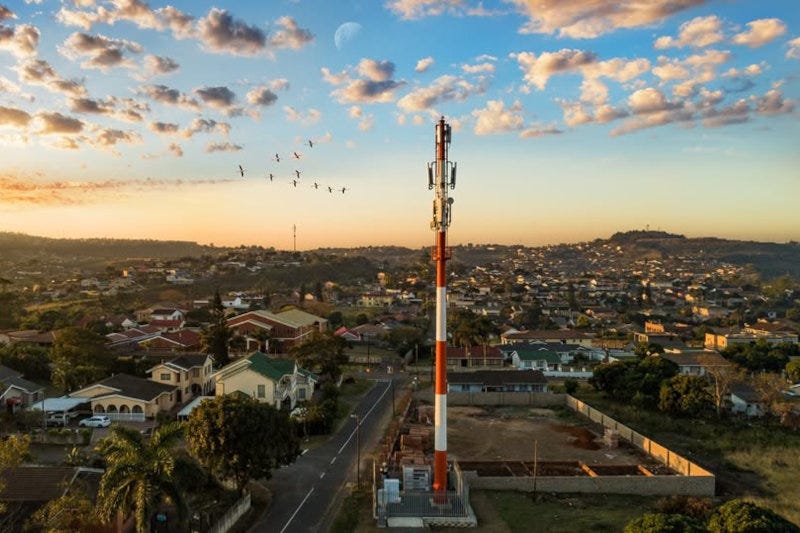
Telecom Tower

Aside from a drop in quality network service, disruption in oil supply to base stations also undermines Nigeria’s broadband expansion targets and digital inclusion goals, especially in rural areas.


Piyasa Fırsatı
Fuel Logosu
Fuel Fiyatı(FUEL)
$0,00139
$0,00139$0,00139
0,00%
USD
Fuel (FUEL) Canlı Fiyat Grafiği
Sorumluluk Reddi: Bu sitede yeniden yayınlanan makaleler, halka açık platformlardan alınmıştır ve yalnızca bilgilendirme amaçlıdır. MEXC'nin görüşlerini yansıtmayabilir. Tüm hakları telif sahiplerine aittir. Herhangi bir içeriğin üçüncü taraf haklarını ihlal ettiğini düşünüyorsanız, kaldırılması için lütfen service@support.mexc.com ile iletişime geçin. MEXC, içeriğin doğruluğu, eksiksizliği veya güncelliği konusunda hiçbir garanti vermez ve sağlanan bilgilere dayalı olarak alınan herhangi bir eylemden sorumlu değildir. İçerik, finansal, yasal veya diğer profesyonel tavsiye niteliğinde değildir ve MEXC tarafından bir tavsiye veya onay olarak değerlendirilmemelidir.

Ayrıca Şunları da Beğenebilirsiniz

White House meeting could unfreeze the crypto CLARITY Act this week, but crypto rewards likely to be the price

White House meeting could unfreeze the crypto CLARITY Act this week, but crypto rewards likely to be the price

White House stablecoin meeting could unfreeze the CLARITY Act, but your USDC rewards may be the price The newly confirmed Feb. 10 White House meeting on stablecoin
Paylaş
CryptoSlate2026/02/09 18:48
Coral Protocol launches Coral V1, introducing on-chain Solana payments for devs

Coral Protocol launches Coral V1, introducing on-chain Solana payments for devs

Coral Protocol has launched Coral V1, a new remote agent system that simplifies multi-agent software deployment. Developers building on the project now have production-ready agents that can be rented, customized, and combined with local solutions.  According to a press statement shared with Cryptopolitan on Friday, the platform introduces new capabilities to accelerate artificial intelligence (AI) […]
Paylaş
Cryptopolitan2025/09/19 20:01
U.S. Senate panel to hold crypto tax policy hearing on October 1

U.S. Senate panel to hold crypto tax policy hearing on October 1

The Senate Banking Committee will hold a public hearing on October 1 to go after one of the most confusing messes in U.S. finance right now:- how crypto gets taxed. The committee confirmed the date in a notice first reported by Eleanor Terrett, and witnesses lined up include Jason Somensatto, Policy Director at Coin Center; Andrea S. Kramer, founding member of ASKramer Law; Lawrence Zlatkin, Vice President of Taxation at Coinbase; and Annette Nellen, Chair of the Digital Asset Taxation Working Group under the American Institute of Certified Public Accountants. This hearing is meant to address a problem that’s pissed off crypto users for years, which is why every small crypto transaction, even a few dollars, triggers a tax headache. The Senate is being pushed to finally look at de minimis exemptions, which would let people use crypto for daily stuff (like grabbing a coffee) without reporting every damn thing to the IRS. Trump administration backs small crypto tax relief Cryptopolitan reported back in July that White House Press Secretary Karoline Leavitt had said that the Trump administration still wants to push through the de minimis exemption in upcoming laws. “The president did signal his support for de minimis exemption for crypto and the administration continues to be in support of that,” Karoline said. She explained that right now, using crypto for basic purchases is too complicated because of tax rules, but a change could make everyday payments smoother. “We are definitely receptive to it to make crypto payments easier and more efficient for those who seek to use crypto as simple as buying a cup of coffee — of course, right now, that cannot happen, but with the de minimis exemption perhaps it could in the future.” Karoline also revealed that President Trump plans to host a signing ceremony for the GENIUS Act, a stablecoin-focused bill expected to pass soon. That bill is part of his administration’s broader goal to make the U.S. “the crypto capital of the world.” The Senate has already tried and failed to deal with this issue before. In 2020, two Democratic lawmakers proposed the Virtual Currency Tax Fairness Act, which aimed to ignore tax on crypto gains below $200. It didn’t even make it to a vote. A similar version in 2022 also died on the floor. Then came a broader bill in 2025 called the One Big Beautiful Bill Act, which covered everything from taxes to border control. Senator Cynthia Lummis, a Republican from Wyoming, tried to get a crypto exemption added in for gains under $300, but that proposal got scrapped before the final bill passed. President Trump signed it into law on July 4 without the crypto language attached. Right now, the IRS says every single crypto transaction must be reported, even if there’s no gain or the amount is tiny. If you spend $5 of bitcoin, that’s a taxable event. The idea behind the de minimis exemption is to cut through that nonsense and give users room to breathe. But it hasn’t been easy. Lawmakers face real obstacles. First, the federal government depends on tax income. If it suddenly lets millions of small crypto transactions go untaxed, that means less money coming in. And there’s no sign yet of how they’ll offset that shortfall. Even with strong voices like Cynthia and Jason in the room, the Senate still hasn’t landed on a solution. October 1 might give them a chance to do something useful. Or it might be another meeting where everyone talks and nothing happens. Get seen where it counts. Advertise in Cryptopolitan Research and reach crypto’s sharpest investors and builders.
Paylaş
Coinstats2025/09/25 09:51