How are you, hacker? 🪐Want to know what's trending right now?: The Techbeat by HackerNoon has got you covered with fresh content from our trending stories of theHow are you, hacker? 🪐Want to know what's trending right now?: The Techbeat by HackerNoon has got you covered with fresh content from our trending stories of the

The TechBeat: Leader or No Leader, That is the Question (12/13/2025)

2025/12/13 15:10

How are you, hacker? 🪐Want to know what's trending right now?: The Techbeat by HackerNoon has got you covered with fresh content from our trending stories of the day! Set email preference here. ## Exploiting EIP-7702 Delegation in the Ethernaut Cashback Challenge — A Step-by-Step Writeup By @hacker39947670 [ 18 Min read ] How to exploit EIP-7702 delegation flaws: A deep dive into the Ethernaut Cashback challenge with bytecode hacks and storage attacks Read More.
Code Review Anti-Patterns: How to Stop Nitpicking Syntax and Start Improving Architecture
By @nikitakothari [ 5 Min read ] Code reviews are pricey. Let machines catch style issues so humans can focus on what matters: security, scalability, and architecture. Read More.

Measuring Non-Linear User Journeys: Rethinking Funnels Metrics in A/B Testing
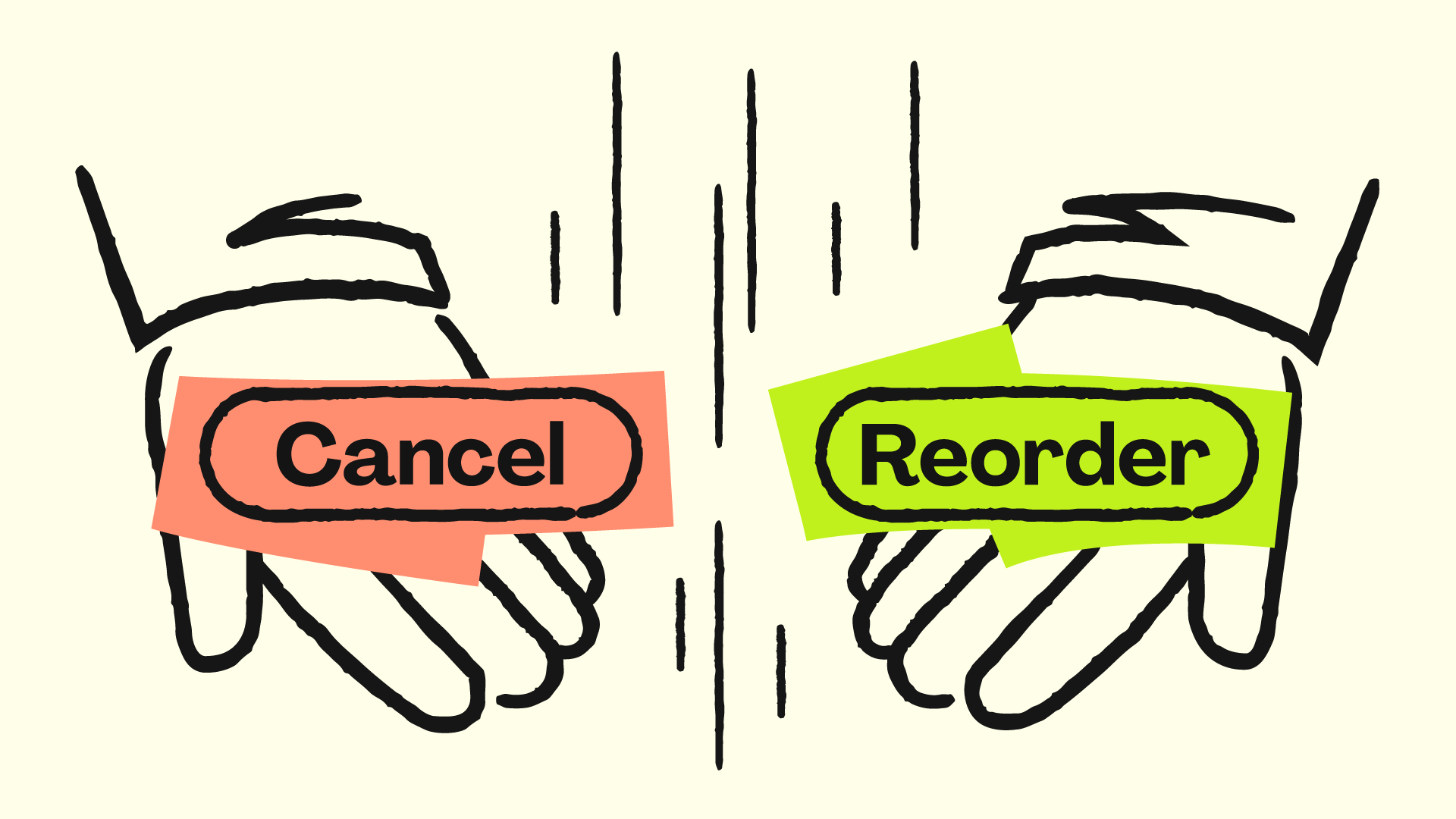
By @indrivetech [ 7 Min read ] A deep dive into user reorders, hidden behavioral patterns, and how aggregated funnels improve A/B test accuracy in non-linear user journeys Read More.

Before Bitcoin: The Forgotten P2P Dreams that Sparked Crypto
By @obyte [ 5 Min read ] Before crypto, pioneers dreamed of decentralized money and fair sharing. Their wild ideas shaped today’s digital freedom. Go explore how it all began! Read More.

The Invisible Line Item: Why Pollution Is Missing From Every Balance Sheet
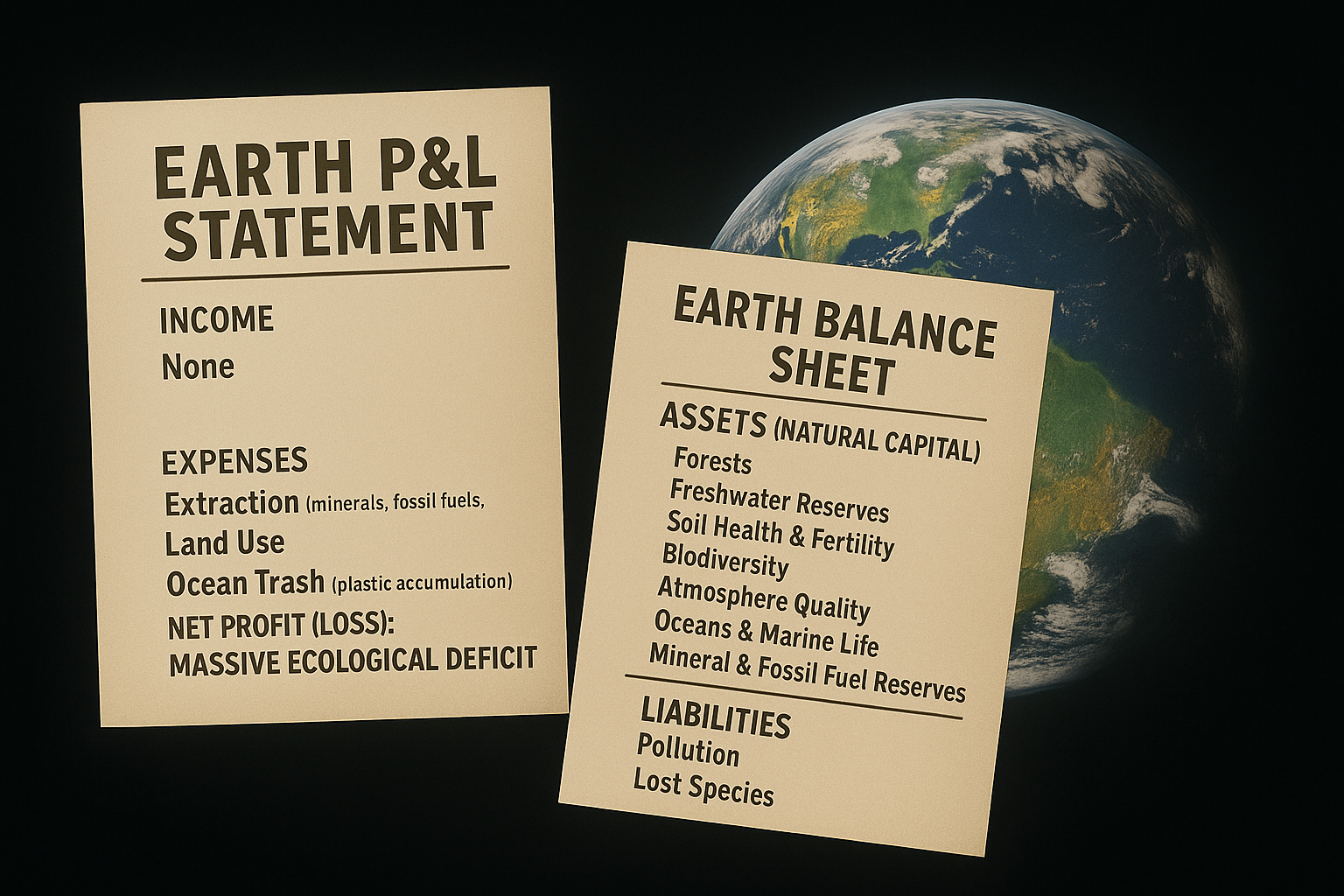
By @chris127 [ 12 Min read ] For centuries, pollution has been the missing line item of our accounting. First from ignorance. Then from choice. Now, from necessity. We must account for it! Read More.

Earth Cleaning Technologies: The Current R&D Status and Why We're Still Losing the Race
By @chris127 [ 7 Min read ] Imagine if you could reverse decades of pollution. Remove tons of CO₂, Clean oceans, restore forests at scale. The good news? We can! The bad news? We don’t! Read More.

Cantor8: Building The Future of Canton Network

By @cantor8 [ 4 Min read ] Cantor8 is at the forefront of the surging growth of the Canton Network ecosystem. Endorsed by The Canton Foundation itself, the company is founded by a Cambrid Read More.

Not a Lucid Web3 Dream Anymore: x402, ERC-8004, A2A, and The Next Wave of AI Commerce
By @mickeymaler [ 30 Min read ] Explains how x402, ERC-8004, and agent discovery turn APIs and AI agents into usage-based micro businesses. Web3's future is in Agents doing the work for you. Read More.

Hard Problems Are Easier, Once You Think Like This

By @praisejamesx [ 7 Min read ] Stop being overwhelmed. Learn the neuroscience of mastery: how all genius works by compressing complexity into simple, automatic structures. Read More.

How I Found Sim Racing at Age 60

By @wicked-racing [ 5 Min read ] How a 60-year-old former wannabe rally driver has found new youth through sim racing and the new available technology. Read More.

How To Get a First Name Domain for Less Than $101
By @cv-domain [ 3 Min read ] Missed out on FirstName.com? .cv domain could be your last real chance to own your name online. Secure it now. Read More.

Everyone's Using the Wrong Algebra in AI

By @josecrespophd [ 9 Min read ] From Tesla phantom braking to LLM hallucinations, the root bug is first-order math. We explain how dual/jet numbers unlock scalable second-order AI. Read More.

Leader or No Leader, That is the Question

By @chris127 [ 9 Min read ] For most of human history, leaders were necessary. We needed them to coordinate, decide, organize and share their vision. But technology is changing this. Read More.

So You Want to Build a Writing Career?

By @editingprotocol [ 4 Min read ] This comprehensive guide covers everything from finding your voice to mastering SEO. Learn how to turn your writing into a career asset with HackerNoon. Read More.

Can ChatGPT Outperform the Market? Week 18
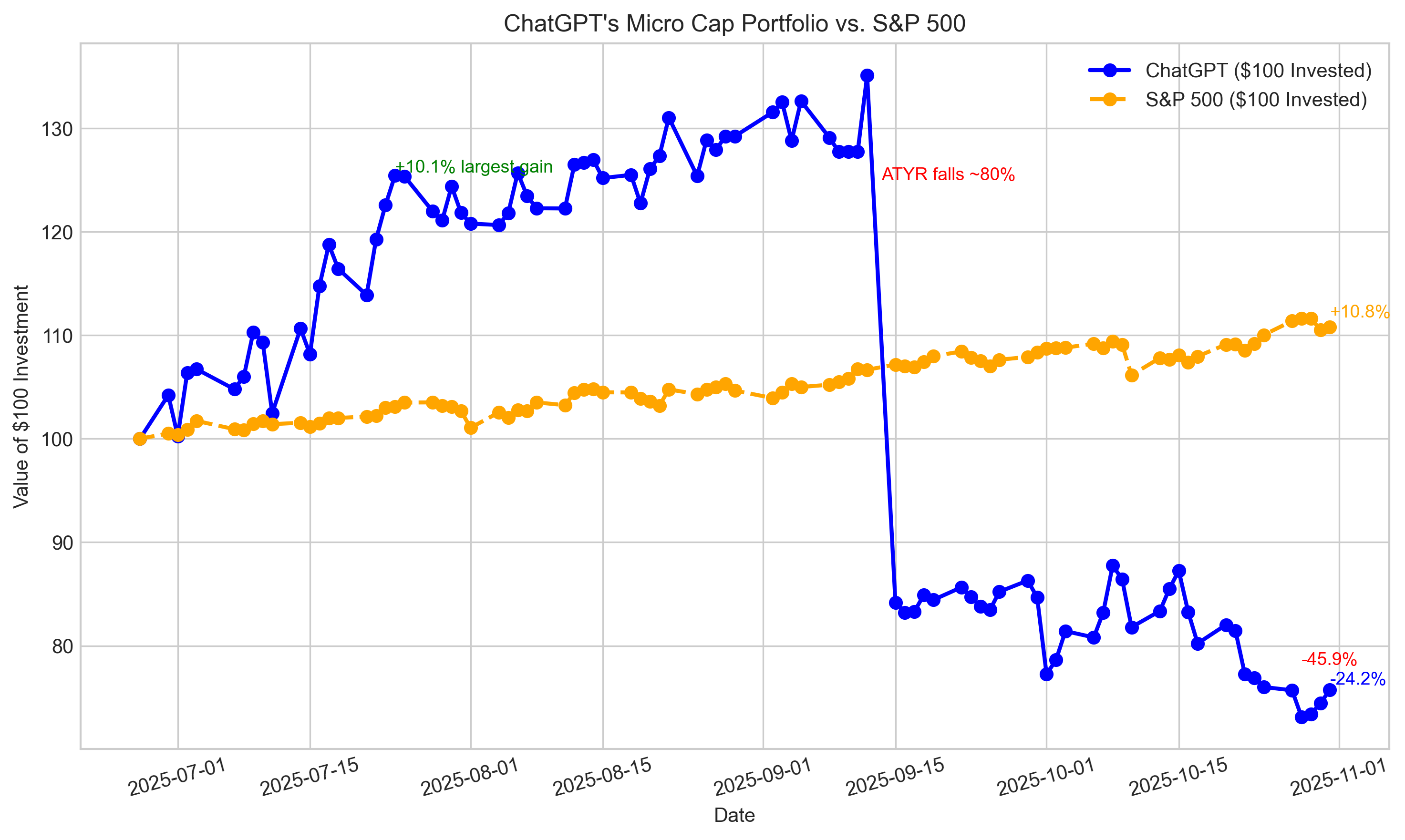
By @nathanbsmith729 [ 7 Min read ] Monday marked a new max drawdown of -45.85%. Read More.

Automated Content Moderation: How Does It Work?
By @TheMarkup [ 7 Min read ] Shifting societal norms, technological advances, and the chaos of world events mean we may never reach an equilibrium where content moderation is solved. Read More.

12 Best Web Scraping APIs in 2025
By @oxylabs [ 11 Min read ] Discover the 12 best web scraping APIs of 2025, comparing performance, pricing, features, & success rates to help teams scale reliable data extraction. Read More.

Agentic UX Over "Chat": How to Design Multi-Agent Systems People Actually Trust

By @designchurchill [ 9 Min read ] Principles for designing agentic UX: verification, transparency, handoffs, and moving beyond chat interfaces. Read More.

AI: Quantum Computing Requires Conceptual Brain Science Research
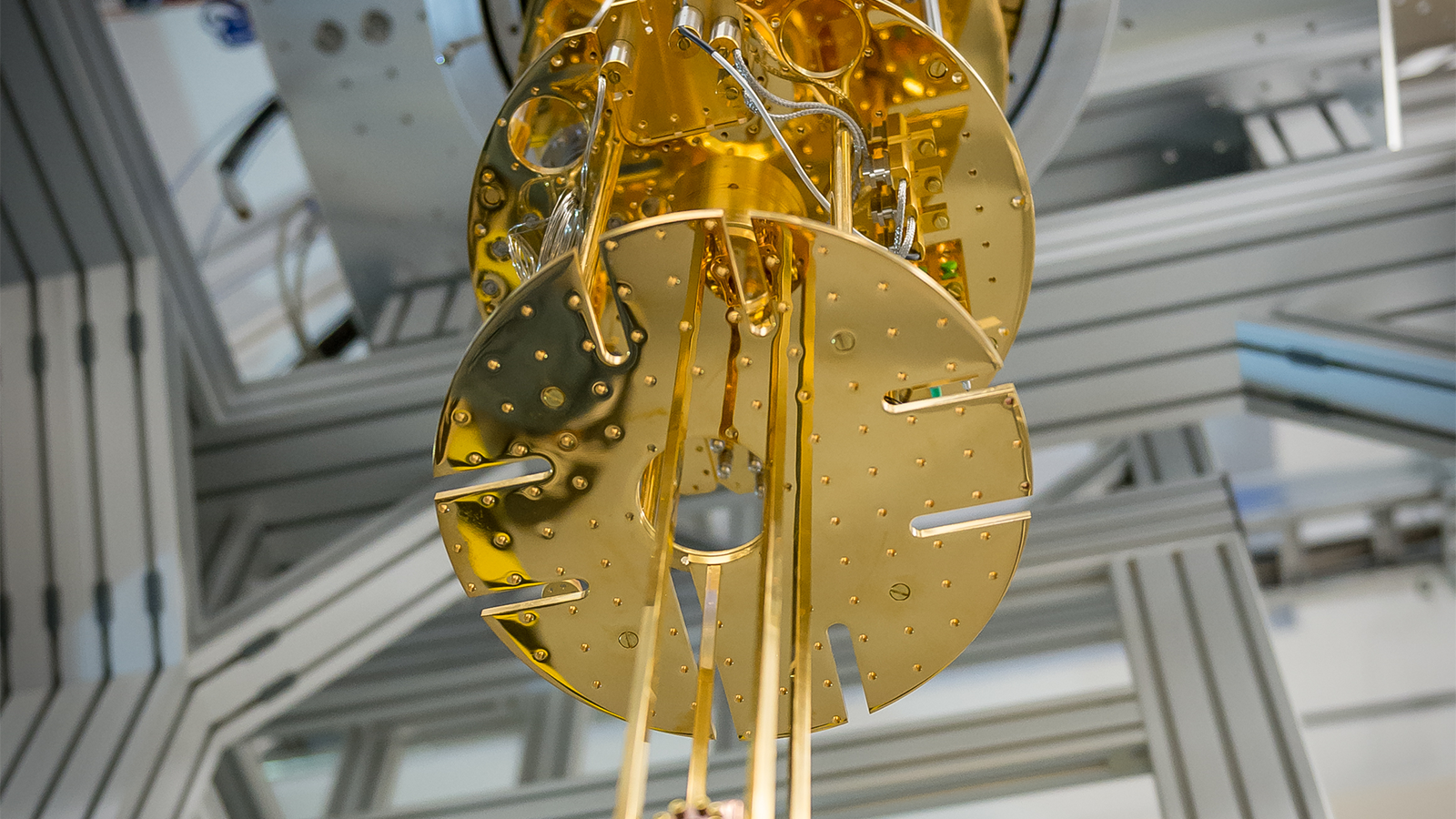
By @step [ 3 Min read ] To surpass AI before 2030, quantum computing can draw from conceptual brain science.

Read More.

Why I’m Tired of Productivity Wellness (And What It’s Doing to Our Minds)

By @riedriftlens [ 4 Min read ] A founder’s critique of the productivity-wellness industry—from gamified focus apps to self-optimization culture—and why our minds crave clarity, not performanc Read More. 🧑‍💻 What happened in your world this week? It's been said that writing can help consolidate technical knowledge, establish credibility, and contribute to emerging community standards. Feeling stuck? We got you covered ⬇️⬇️⬇️ ANSWER THESE GREATEST INTERVIEW QUESTIONS OF ALL TIME We hope you enjoy this worth of free reading material. Feel free to forward this email to a nerdy friend who'll love you for it. See you on Planet Internet! With love, The HackerNoon Team ✌️

Sorumluluk Reddi: Bu sitede yeniden yayınlanan makaleler, halka açık platformlardan alınmıştır ve yalnızca bilgilendirme amaçlıdır. MEXC'nin görüşlerini yansıtmayabilir. Tüm hakları telif sahiplerine aittir. Herhangi bir içeriğin üçüncü taraf haklarını ihlal ettiğini düşünüyorsanız, kaldırılması için lütfen service@support.mexc.com ile iletişime geçin. MEXC, içeriğin doğruluğu, eksiksizliği veya güncelliği konusunda hiçbir garanti vermez ve sağlanan bilgilere dayalı olarak alınan herhangi bir eylemden sorumlu değildir. İçerik, finansal, yasal veya diğer profesyonel tavsiye niteliğinde değildir ve MEXC tarafından bir tavsiye veya onay olarak değerlendirilmemelidir.

Ayrıca Şunları da Beğenebilirsiniz

Akash Network’s Strategic Move: A Crucial Burn for AKT’s Future

Akash Network’s Strategic Move: A Crucial Burn for AKT’s Future

BitcoinWorld Akash Network’s Strategic Move: A Crucial Burn for AKT’s Future In the dynamic world of decentralized computing, exciting developments are constantly shaping the future. Today, all eyes are on Akash Network, the innovative supercloud project, as it proposes a significant change to its tokenomics. This move aims to strengthen the value of its native token, AKT, and further solidify its position in the competitive blockchain space. The community is buzzing about a newly submitted governance proposal that could introduce a game-changing Burn Mint Equilibrium (BME) model. What is the Burn Mint Equilibrium (BME) for Akash Network? The core of this proposal revolves around a concept called Burn Mint Equilibrium, or BME. Essentially, this model is designed to create a balance in the token’s circulating supply by systematically removing a portion of tokens from existence. For Akash Network, this means burning an amount of AKT that is equivalent to the U.S. dollar value of fees paid by network users. Fee Conversion: When users pay for cloud services on the Akash Network, these fees are typically collected in various cryptocurrencies or stablecoins. AKT Equivalence: The proposal suggests converting the U.S. dollar value of these collected fees into an equivalent amount of AKT. Token Burn: This calculated amount of AKT would then be permanently removed from circulation, or ‘burned’. This mechanism creates a direct link between network utility and token supply reduction. As more users utilize the decentralized supercloud, more AKT will be burned, potentially impacting the token’s scarcity and value. Why is This Proposal Crucial for AKT Holders? For anyone holding AKT, or considering investing in the Akash Network ecosystem, this proposal carries significant weight. Token burning mechanisms are often viewed as a positive development because they can lead to increased scarcity. When supply decreases while demand remains constant or grows, the price per unit tends to increase. Here are some key benefits: Increased Scarcity: Burning tokens reduces the total circulating supply of AKT. This makes each remaining token potentially more valuable over time. Demand-Supply Dynamics: The BME model directly ties the burning of AKT to network usage. Higher adoption of the Akash Network supercloud translates into more fees, and thus more AKT burned. Long-Term Value Proposition: By creating a deflationary pressure, the proposal aims to enhance AKT’s long-term value, making it a more attractive asset for investors and long-term holders. This strategic move demonstrates a commitment from the Akash Network community to optimize its tokenomics for sustainable growth and value appreciation. How Does BME Impact the Decentralized Supercloud Mission? Beyond token value, the BME proposal aligns perfectly with the broader mission of the Akash Network. As a decentralized supercloud, Akash provides a marketplace for cloud computing resources, allowing users to deploy applications faster, more efficiently, and at a lower cost than traditional providers. The BME model reinforces this utility. Consider these impacts: Network Health: A stronger AKT token can incentivize more validators and providers to secure and contribute resources to the network, improving its overall health and resilience. Ecosystem Growth: Enhanced token value can attract more developers and projects to build on the Akash Network, fostering a vibrant and diverse ecosystem. User Incentive: While users pay fees, the potential appreciation of AKT could indirectly benefit those who hold the token, creating a circular economy within the supercloud. This proposal is not just about burning tokens; it’s about building a more robust, self-sustaining, and economically sound decentralized cloud infrastructure for the future. What Are the Next Steps for the Akash Network Community? As a governance proposal, the BME model will now undergo a period of community discussion and voting. This is a crucial phase where AKT holders and network participants can voice their opinions, debate the merits, and ultimately decide on the future direction of the project. Transparency and community engagement are hallmarks of decentralized projects like Akash Network. Challenges and Considerations: Implementation Complexity: Ensuring the burning mechanism is technically sound and transparent will be vital. Community Consensus: Achieving broad agreement within the diverse Akash Network community is key for successful adoption. The outcome of this vote will significantly shape the tokenomics and economic model of the Akash Network, influencing its trajectory in the rapidly evolving decentralized cloud landscape. The proposal to introduce a Burn Mint Equilibrium model represents a bold and strategic step for Akash Network. By directly linking network usage to token scarcity, the project aims to create a more resilient and valuable AKT token, ultimately strengthening its position as a leading decentralized supercloud provider. This move underscores the project’s commitment to innovative tokenomics and sustainable growth, promising an exciting future for both users and investors in the Akash Network ecosystem. It’s a clear signal that Akash is actively working to enhance its value proposition and maintain its competitive edge in the decentralized future. Frequently Asked Questions (FAQs) 1. What is the main goal of the Burn Mint Equilibrium (BME) proposal for Akash Network? The primary goal is to adjust the circulating supply of AKT tokens by burning a portion of network fees, thereby creating deflationary pressure and potentially enhancing the token’s long-term value and scarcity. 2. How will the amount of AKT to be burned be determined? The proposal suggests burning an amount of AKT equivalent to the U.S. dollar value of fees paid by users on the Akash Network for cloud services. 3. What are the potential benefits for AKT token holders? Token holders could benefit from increased scarcity of AKT, which may lead to higher demand and appreciation in value over time, especially as network usage grows. 4. How does this proposal relate to the overall mission of Akash Network? The BME model reinforces the Akash Network‘s mission by creating a stronger, more economically robust ecosystem. A healthier token incentivizes network participants, fostering growth and stability for the decentralized supercloud. 5. What is the next step for this governance proposal? The proposal will undergo a period of community discussion and voting by AKT token holders. The community’s decision will determine if the BME model is implemented on the Akash Network. If you found this article insightful, consider sharing it with your network! Your support helps us bring more valuable insights into the world of decentralized technology. Stay informed and help spread the word about the exciting developments happening within Akash Network. To learn more about the latest crypto market trends, explore our article on key developments shaping decentralized cloud solutions price action. This post Akash Network’s Strategic Move: A Crucial Burn for AKT’s Future first appeared on BitcoinWorld.
Paylaş
Coinstats2025/09/22 21:35