Solomon Akinsanya has spent the last five years helping some of Africa’s fastest-growing tech companies reshape how digital…Solomon Akinsanya has spent the last five years helping some of Africa’s fastest-growing tech companies reshape how digital…

Why Africa’s Next Wave of Tech Brands Will Win with AR, VR, and Storytelling — A Conversation with Solomon Akinsanya

2025/12/09 02:34

Solomon Akinsanya has spent the last five years helping some of Africa’s fastest-growing tech companies reshape how digital brands connect with customers.

From leading the marketing and CX engine that drove Taeillo’s 510% revenue growth, to building RedCloud’s content strategy across Nigeria and South Africa with over 2,800% increases in reach, his work sits at the intersection of cultural storytelling, digital innovation, and community-led brand building.

In this conversation with Raphael Fabunmi, Solomon breaks down why AR, VR, and narrative-driven experiences will define the next chapter of Africa’s tech ecosystem, and what brands must do today to stay relevant tomorrow.

Q: Solomon, you’ve worked across some of Africa’s fastest-growing digital brands, Taeillo, RedCloud, BuyPower, CareerBuddy. When you look at the next wave of African tech companies, what do you think will separate the winners from everyone else?

Honestly? The brands that will win are the ones that can make people feel something, even inside a digital experience. Africa’s consumers are evolving fast; they want technology, yes, but they also want connection. They want to see themselves inside the products they use.

That’s where AR, VR, and storytelling come together. The companies that understand how to merge these three will build deeper trust, deeper loyalty, and much faster adoption than those who rely on traditional marketing.

A lot of people still see AR and VR as “future tech” fancy, expensive, or unnecessary. From your experience, are they really practical for African brands?

Absolutely, if you understand what they’re meant to do.

AR and VR aren’t toys. They’re clarity machines.

At Taeillo, for example, one of the biggest barriers was simple:

“What will this furniture look like in my space?”

AR solved that. Suddenly, a customer in Lagos, Nairobi, or Accra didn’t have to imagine. They could see it. In their room. In real time.

And when you remove imagination friction, you remove buying fear. That’s why you see global commerce shifting toward immersive experiences, and it’s why Africa’s tech brands can’t afford to sit this wave out.

The technology isn’t the blocker anymore. The mindset is.

You talk a lot about storytelling as a growth engine. How does storytelling tie into immersive tech?

 Think of storytelling as the heart, and AR/VR as the stage.

One gives emotion, the other gives experience.

When a customer tries a product in AR, they’ve already stepped into the story, your story.

When they explore a VR environment that shows your product’s journey, your mission, or your community impact, they’re not just buying a product… they’re buying meaning.

At Taeillo, that mix helped drive 510% revenue growth and community expansion from 21K to 75K, because people didn’t just see furniture. They saw culture. Identity. Innovation. Possibility.

Storytelling made AR not just “cool,” but commercially powerful.

From your time managing digital strategy at RedCloud across Nigeria and South Africa, what are you seeing on the ground that proves AR/VR is becoming more relevant?

The biggest indicator is how brands now measure success.

It’s shifting from “reach and impressions” to engagement, trial, and emotional connection.

We ran campaigns that had a 2,800% increase in reach and a 932% surge in content interaction, and it showed one thing clearly: people stay longer when the content feels alive. They click more. They explore more. They try more.

AR/VR gives brands that “stay longer” effect by default.

And in markets like Nigeria and South Africa, where competition is brutal, and customers make fast decisions, anything that buys you more time inside the customer’s mind is a growth advantage.

What do you think African brands get wrong when approaching AR and VR?

They treat it like a feature instead of a philosophy.

AR/VR shouldn’t just sit in an app somewhere, waiting for someone to tap it. It should be part of how the brand communicates, educates, and builds desire.

Most brands launch AR the same way they launch brochure PDFs: quietly and without a story.

But when you use AR with human narrative, showing users, communities, behind-the-scenes, real stories, it becomes sticky. It becomes memorable.

The biggest mistake is thinking immersive tech is about visuals alone.

It’s actually about emotion.

You’ve also worked with partnerships like the AR/VR Association, Social Media Week Lagos, Ingressive4Good, and AltSchool Africa. What did those experiences teach you?

Africa is ready. The creative ecosystem is hungry.

Students, designers, product teams, influencers, they’re all looking for ways to create deeper, more interactive experiences.

These partnerships showed me that we’re entering a phase where brand experience will matter more than brand messaging. If your experience isn’t memorable, someone else’s will be.

And immersive tech doesn’t remove the human element; it actually amplifies it, if you use it right.

So, what’s your prediction? What’s the “big shift” coming?

The next decade in African tech will be won by brands that do three things exceptionally well:

  1. Use AR/VR to remove friction from the buying journey

    (no more guessing, no more uncertainty).
  2. Tell human, relatable stories around their products

    (not generic marketing language, actual stories).
  3. Build community experiences, not just customer bases

    (Community is the new distribution).

If a brand can combine all three, it will grow faster, spend less on ads, and build loyalty that can’t be copied.

If you had to give one final piece of advice to African founders or marketing leaders reading this, what would it be?

Don’t wait until AR and VR become mainstream before you adopt them.

The brands people call “innovative” tomorrow are the ones experimenting today.

And don’t think of immersive tech as technology.

Think of it as a new way to tell your story.

Because at the end of the day, people don’t remember products, they remember the experiences that made them feel seen.

Solomon Akinsanya is a content marketing and digital strategy professional with a track record of driving rapid growth across African tech brands. He led Taeillo’s 510% revenue surge and has driven digital strategy at RedCloud, BuyPower, and CareerBuddy.

Sorumluluk Reddi: Bu sitede yeniden yayınlanan makaleler, halka açık platformlardan alınmıştır ve yalnızca bilgilendirme amaçlıdır. MEXC'nin görüşlerini yansıtmayabilir. Tüm hakları telif sahiplerine aittir. Herhangi bir içeriğin üçüncü taraf haklarını ihlal ettiğini düşünüyorsanız, kaldırılması için lütfen service@support.mexc.com ile iletişime geçin. MEXC, içeriğin doğruluğu, eksiksizliği veya güncelliği konusunda hiçbir garanti vermez ve sağlanan bilgilere dayalı olarak alınan herhangi bir eylemden sorumlu değildir. İçerik, finansal, yasal veya diğer profesyonel tavsiye niteliğinde değildir ve MEXC tarafından bir tavsiye veya onay olarak değerlendirilmemelidir.

Ayrıca Şunları da Beğenebilirsiniz

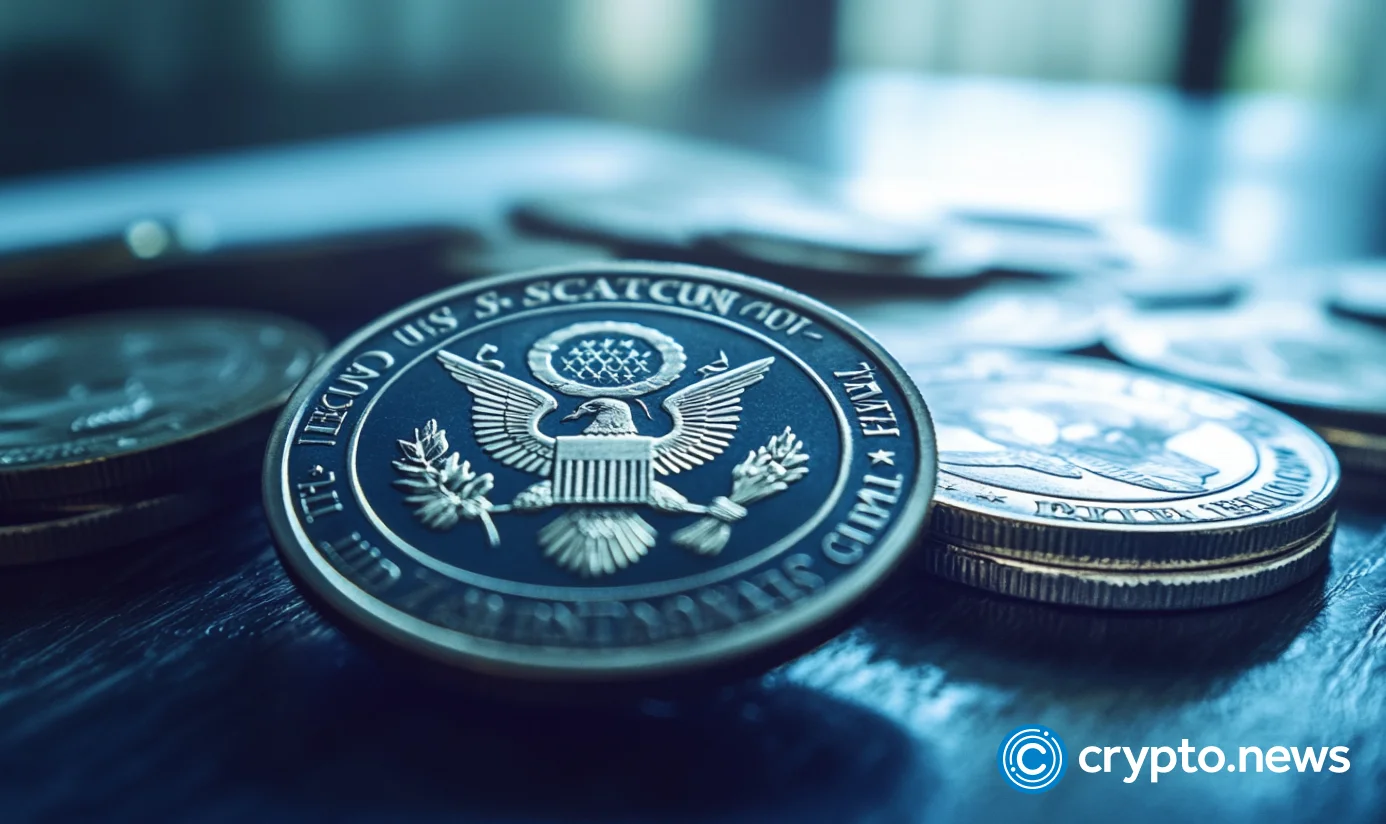
SEC urges caution on crypto wallets in latest investor guide

SEC urges caution on crypto wallets in latest investor guide

The SEC’s Office of Investor Education and Assistance issued a bulletin warning retail investors about crypto asset custody risks. The guidance covers how investors
Paylaş
Crypto.news2025/12/15 01:45
Crucial Fed Rate Cut: October Probability Surges to 94%

Crucial Fed Rate Cut: October Probability Surges to 94%

BitcoinWorld Crucial Fed Rate Cut: October Probability Surges to 94% The financial world is buzzing with a significant development: the probability of a Fed rate cut in October has just seen a dramatic increase. This isn’t just a minor shift; it’s a monumental change that could ripple through global markets, including the dynamic cryptocurrency space. For anyone tracking economic indicators and their impact on investments, this update from the U.S. interest rate futures market is absolutely crucial. What Just Happened? Unpacking the FOMC Statement’s Impact Following the latest Federal Open Market Committee (FOMC) statement, market sentiment has decisively shifted. Before the announcement, the U.S. interest rate futures market had priced in a 71.6% chance of an October rate cut. However, after the statement, this figure surged to an astounding 94%. This jump indicates that traders and analysts are now overwhelmingly confident that the Federal Reserve will lower interest rates next month. Such a high probability suggests a strong consensus emerging from the Fed’s latest communications and economic outlook. A Fed rate cut typically means cheaper borrowing costs for businesses and consumers, which can stimulate economic activity. But what does this really signify for investors, especially those in the digital asset realm? Why is a Fed Rate Cut So Significant for Markets? When the Federal Reserve adjusts interest rates, it sends powerful signals across the entire financial ecosystem. A rate cut generally implies a more accommodative monetary policy, often enacted to boost economic growth or combat deflationary pressures. Impact on Traditional Markets: Stocks: Lower interest rates can make borrowing cheaper for companies, potentially boosting earnings and making stocks more attractive compared to bonds. Bonds: Existing bonds with higher yields might become more valuable, but new bonds will likely offer lower returns. Dollar Strength: A rate cut can weaken the U.S. dollar, making exports cheaper and potentially benefiting multinational corporations. Potential for Cryptocurrency Markets: The cryptocurrency market, while often seen as uncorrelated, can still react significantly to macro-economic shifts. A Fed rate cut could be interpreted as: Increased Risk Appetite: With traditional investments offering lower returns, investors might seek higher-yielding or more volatile assets like cryptocurrencies. Inflation Hedge Narrative: If rate cuts are perceived as a precursor to inflation, assets like Bitcoin, often dubbed “digital gold,” could gain traction as an inflation hedge. Liquidity Influx: A more accommodative monetary environment generally means more liquidity in the financial system, some of which could flow into digital assets. Looking Ahead: What Could This Mean for Your Portfolio? While the 94% probability for a Fed rate cut in October is compelling, it’s essential to consider the nuances. Market probabilities can shift, and the Fed’s ultimate decision will depend on incoming economic data. Actionable Insights: Stay Informed: Continue to monitor economic reports, inflation data, and future Fed statements. Diversify: A diversified portfolio can help mitigate risks associated with sudden market shifts. Assess Risk Tolerance: Understand how a potential rate cut might affect your specific investments and adjust your strategy accordingly. This increased likelihood of a Fed rate cut presents both opportunities and challenges. It underscores the interconnectedness of traditional finance and the emerging digital asset space. Investors should remain vigilant and prepared for potential volatility. The financial landscape is always evolving, and the significant surge in the probability of an October Fed rate cut is a clear signal of impending change. From stimulating economic growth to potentially fueling interest in digital assets, the implications are vast. Staying informed and strategically positioned will be key as we approach this crucial decision point. The market is now almost certain of a rate cut, and understanding its potential ripple effects is paramount for every investor. Frequently Asked Questions (FAQs) Q1: What is the Federal Open Market Committee (FOMC)? A1: The FOMC is the monetary policymaking body of the Federal Reserve System. It sets the federal funds rate, which influences other interest rates and economic conditions. Q2: How does a Fed rate cut impact the U.S. dollar? A2: A rate cut typically makes the U.S. dollar less attractive to foreign investors seeking higher returns, potentially leading to a weakening of the dollar against other currencies. Q3: Why might a Fed rate cut be good for cryptocurrency? A3: Lower interest rates can reduce the appeal of traditional investments, encouraging investors to seek higher returns in alternative assets like cryptocurrencies. It can also be seen as a sign of increased liquidity or potential inflation, benefiting assets like Bitcoin. Q4: Is a 94% probability a guarantee of a rate cut? A4: While a 94% probability is very high, it is not a guarantee. Market probabilities reflect current sentiment and data, but the Federal Reserve’s final decision will depend on all available economic information leading up to their meeting. Q5: What should investors do in response to this news? A5: Investors should stay informed about economic developments, review their portfolio diversification, and assess their risk tolerance. Consider how potential changes in interest rates might affect different asset classes and adjust strategies as needed. Did you find this analysis helpful? Share this article with your network to keep others informed about the potential impact of the upcoming Fed rate cut and its implications for the financial markets! To learn more about the latest crypto market trends, explore our article on key developments shaping Bitcoin price action. This post Crucial Fed Rate Cut: October Probability Surges to 94% first appeared on BitcoinWorld.
Paylaş
Coinstats2025/09/18 02:25
Bitcoin’s Battle with Market Pressures Sparks Concerns

Bitcoin’s Battle with Market Pressures Sparks Concerns

Throughout the weekend, Bitcoin exhibited a degree of stability. Yet, it is once again challenging the critical support level of $88,000.Continue Reading:Bitcoin
Paylaş
Coinstats2025/12/15 01:35