What Is Liquidation? A Complete Guide to Its Mechanism, Price Calculation, and Risk Management
1. What Is Liquidation (Margin Call)? When Does It Most Often Occur?
2. How Is Liquidation Triggered?
2.1 What Is Isolated Margin?
- Pros: Risk isolation, suitable for running multiple strategies simultaneously.
- Cons: Lower margin utilization per position. No automatic redistribution of funds after liquidation.
2.1.1 Liquidation Price Calculation in Isolated Margin
- Initial position margin: 400 USDT (4000 / 10)
- Maintenance margin rate: 0.5%
- Maintenance margin: 4000 × 0.5% = 20 USDT
2.2 What Is Cross Margin?
- Pros:
- Cons:
2.2.1 Liquidation Price Calculation in Cross Margin
2.3 Risks and Strategy Recommendations
- Isolated Margin offers risk isolation, making it suitable for single strategies or low-volatility markets.
- Cross Margin provides higher capital efficiency, but risks are interconnected across positions, making it suitable for traders with sufficient funds and diversified strategies.
- In high-risk situations, you can manually increase position margin or reduce leverage to widen the gap between the liquidation price and the entry price, reducing the likelihood of forced liquidation.
Aspect | Isolated Margin | Cross Margin |
Margin Calculation | Each position is calculated independently | All positions share margin |
Risk Impact | Risk limited to a single position | Risks are linked across multiple positions |
Suitable For | Risk-averse, single-strategy traders | Capital-efficient, diversified-strategy traders |
Liquidation Risk | Only the position at risk is liquidated | Liquidation may affect all positions |
3. Why Liquidation Is Essential
- Prevent uncontrolled losses: When margin is insufficient, the system automatically closes positions to prevent losses from exceeding the account's capacity, protecting both the trader and the platform.
- Stabilize market order: Timely liquidation of high-risk positions reduces the chain reaction caused by individual account liquidations, mitigating systemic risk.
- Enhance risk awareness: Liquidation rules encourage traders to continuously monitor leverage and margin levels, avoiding excessive risk-taking.
- Missed rebound opportunities: After short-term extreme volatility, even if prices quickly recover, liquidated traders cannot participate in subsequent rebounds.
- Exacerbated losses: In extreme market conditions, insufficient liquidity may cause slippage, resulting in losses exceeding expectations.
- Impact on trading confidence: Frequent liquidations can disrupt trading plans, weakening execution and psychological stability.
4. Liquidation Trigger Logic and Handling Process
5. What Happens After Liquidation Engine Takes Over
6. How to Avoid Liquidation
6.1 Add Margin or Reduce Leverage
6.2 Set Stop-Loss Orders
6.3 Enable Liquidation Alert Notifications
7. Conclusion
- Why Choose MEXC Futures? Gain an in-depth understanding of MEXC's Futures trading advantages and features, helping you seize opportunities in the contract market.
- MEXC Futures Trading Tutorial (App): How to Trade Futures on MEXC Detailed instructions for contract trading on the App, making it easy to start trading and master contracts.

Popular Articles
View More
Oura Competitors: Samsung, Apple and the Smart Ring Market
Oura's competitors fall into three groups, according to its IPO prospectus: smartwatch makers such as Apple, Google and Samsung; fitness wearables such as Garmin, Coros and Whoop; and software-only

Is Oura Profitable? Revenue, Business Model and Valuation
Yes, Oura is profitable on a net income basis. Its IPO prospectus shows net income of $60.8 million on revenue of $1.21 billion in the nine months to June 30, 2026. The $924.3 million loss in some
Bitget Review 2026: 3.8 Out of 5, the Deepest Copy-Trading Shelf, and a Japan Exit With Three Dates You Need
Bitget scores 3.8 out of 5 on our six-dimension scorecard as of 25 September 2026, leading on derivatives, holding a provisional 3.5 on security after the hot-wallet incident of about $351.6 million

Hot Crypto Updates
View More
Cardano Integrates x402: AI Agents Can Pay With ADA and Cardano Tokens
Cardano has integrated x402, an internet-native payment standard that allows AI agents and automated applications to pay for access to APIs, data, computing resources, and digital services directly

Cardano's Van Rossem Hard Fork Is Live: What Protocol Version 11 Means for the ADA Price Key Takeaways
Cardano activated the Van Rossem hard fork on Saturday, July 18, 2026 at around 21:44 UTC, moving the network to Protocol Version 11 with no downtime beyond a brief block gap. It is the first hard

Cardano (ADA) Price Prediction: Market Forecast and Analysis
Understanding the price prediction of Cardano (ADA) gives traders and investors a forward-looking perspective on potential market trends. Cardano price predictions aren't guarantees, but they provide

Trending News
View More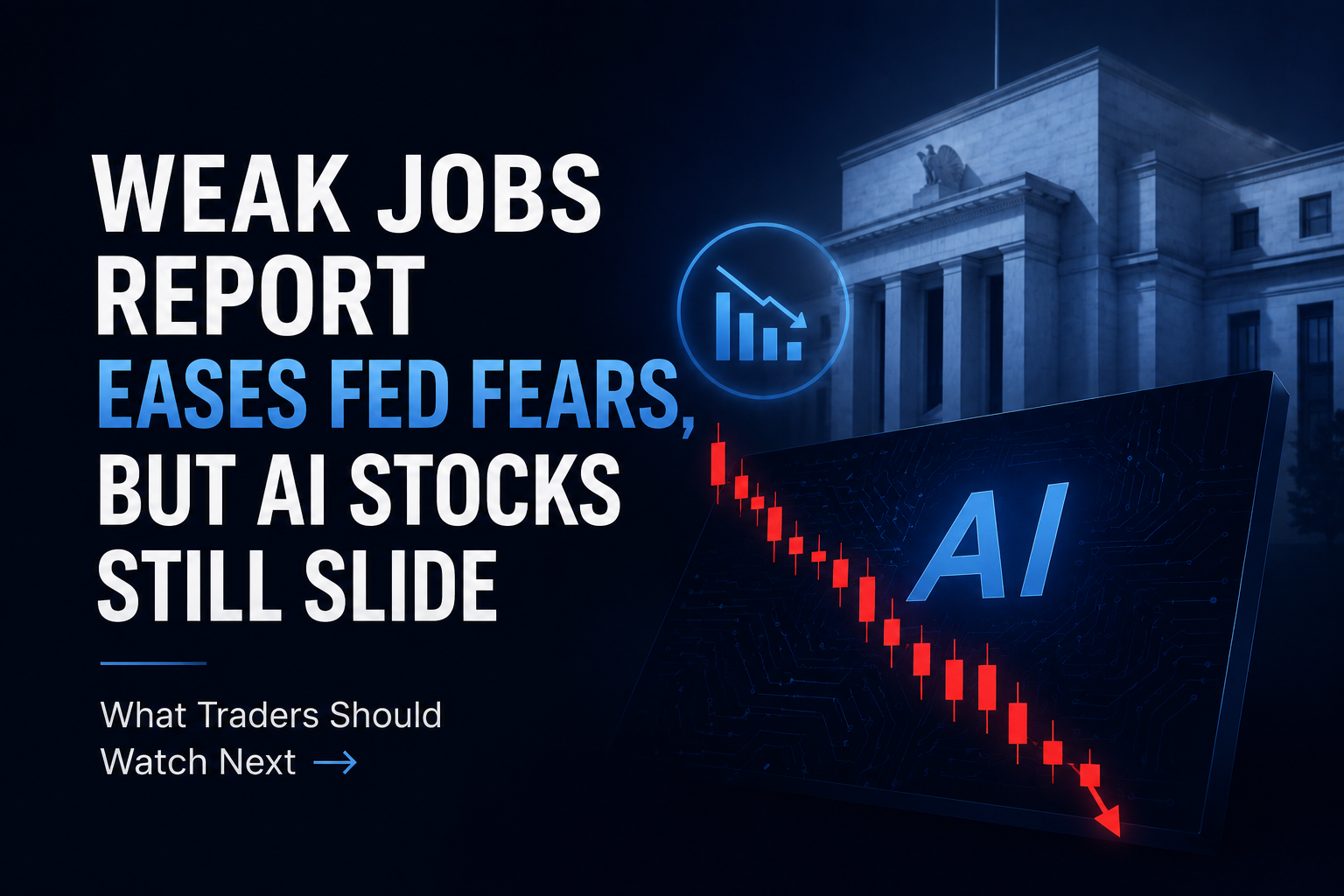
Weak Jobs Report Eases Fed Fears, But AI Stocks Still Slide: What Traders Should Watch Next
The U.S. June jobs report signaled a clear economic slowdown, missing expectations and lowering Federal Reserve rate hike fears. Despite lower Treasury yields, AI and tech stocks slid, proving that ma
OpenAI Revenue Gap: Why Is the Latest Figure $20 Billion Lower?
OpenAI’s reported annualized revenue is $20 billion below earlier headlines. Here is what caused the gap and why it matters for its valuation.

Related Articles
View More
The Complete Guide to Coin-M Perpetual Futures on MEXC
In cryptocurrency derivatives, Futures trading enables investors to apply leverage to increase potential returns and to take positions in both rising and falling markets. MEXC offers two primary types
What Is the Long/Short Ratio? How to View Long/Short Ratio Data in Futures Trading?
BSL refers to long/short closing data. Currently, on the MEXC platform, both candlestick charts and line charts in Futures trading support the display of historical order data for long/short ratios. I
Why Choose MEXC Futures?
Cryptocurrency futures trading has attracted countless investors with its promise of high leverage and high returns. Choosing the right exchange is the first step on the journey to successful futures