First Line of Defense: How Risk Controls Protect Users and Market Integrity
1. Whom Does Risk Control Protect? Users, Markets, and Exchanges
1.1 Protecting User Assets: The First Line of Defense
1.2 Maintaining Market Fairness: Preventing Price Manipulation and Rigged Trades
1.3 Stabilizing the Trading Ecosystem: Protecting All Users
2. What Risks Does Risk Control Target?
- Behavioral Risks: Primarily from human market manipulation. Examples include pump-and-dump schemes, wash trading through self-dealing accounts, and abnormal trading patterns such as sudden high-frequency large orders. These behaviors distort true market conditions and mislead ordinary users. Risk systems detect unusual price trajectories and trading patterns and intervene promptly to maintain fairness.
- Technical Risks: Malicious attacks or improper exploitation of the trading system. Common examples include high-speed hacking, bot scraping of market data, or excessive API calls. Such actions disrupt order matching and trading experience. Risk systems filter these behaviors to ensure platform stability.
- Compliance Risks: Involves transactions with illicit or illegal funds. Scammers and hackers often attempt to launder stolen assets via exchanges. Cross-border funds may also introduce sanctions or regulatory risks. Without risk control, these funds could mix with normal transactions, creating legal risks for users and platforms. Leading platforms therefore use on-chain analysis and blacklist systems to monitor suspicious addresses and fund flows. Suspected illicit activity is immediately frozen and reported to protect law-abiding users.
3. How Does a Mature Risk Control System Work?
Conclusion

Popular Articles
View More
Oura Competitors: Samsung, Apple and the Smart Ring Market
Oura's competitors fall into three groups, according to its IPO prospectus: smartwatch makers such as Apple, Google and Samsung; fitness wearables such as Garmin, Coros and Whoop; and software-only
Is Oura Profitable? Revenue, Business Model and Valuation
Yes, Oura is profitable on a net income basis. Its IPO prospectus shows net income of $60.8 million on revenue of $1.21 billion in the nine months to June 30, 2026. The $924.3 million loss in some

Bitget Review 2026: 3.8 Out of 5, the Deepest Copy-Trading Shelf, and a Japan Exit With Three Dates You Need
Bitget scores 3.8 out of 5 on our six-dimension scorecard as of 25 September 2026, leading on derivatives, holding a provisional 3.5 on security after the hot-wallet incident of about $351.6 million
Trending News
View More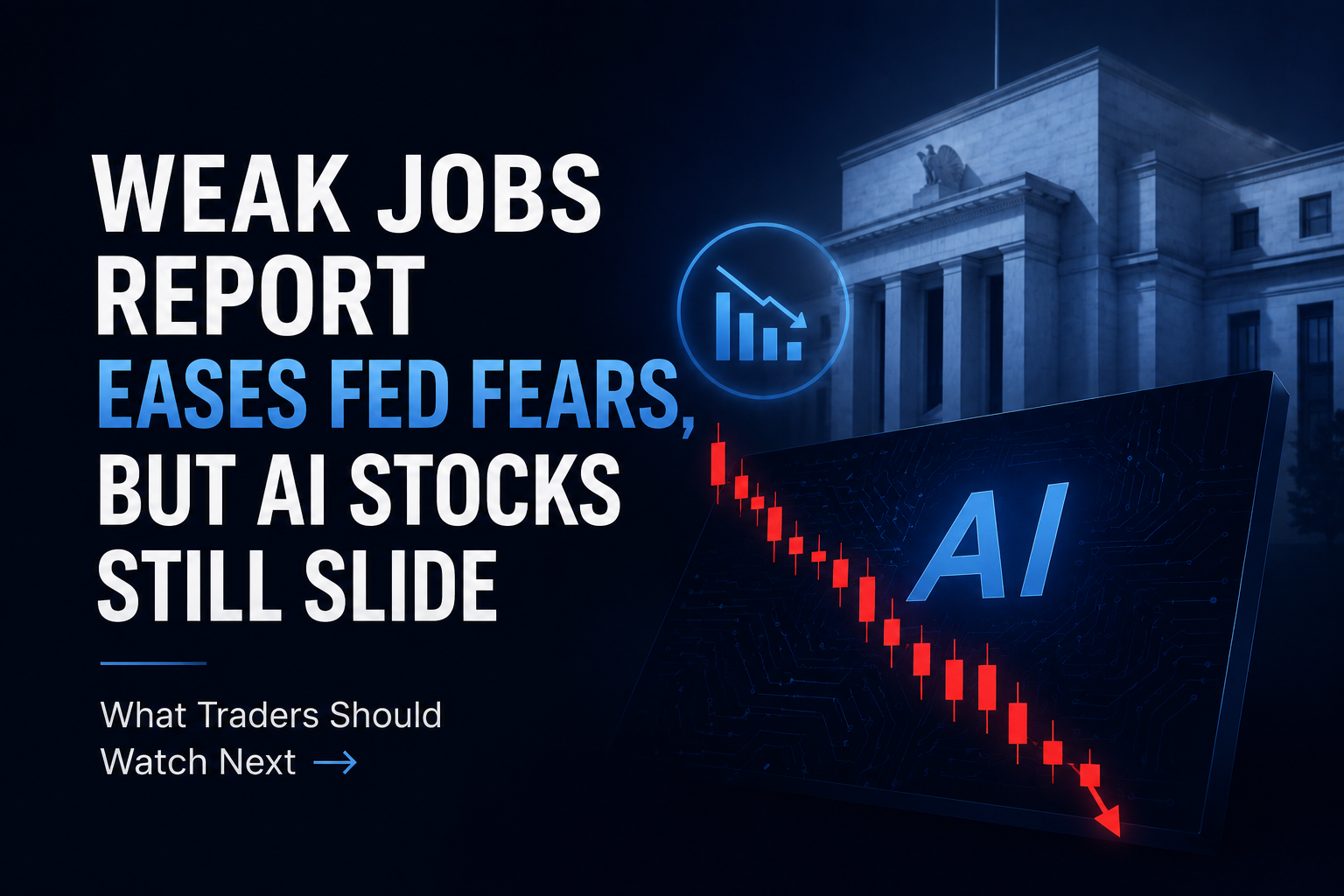
Weak Jobs Report Eases Fed Fears, But AI Stocks Still Slide: What Traders Should Watch Next
The U.S. June jobs report signaled a clear economic slowdown, missing expectations and lowering Federal Reserve rate hike fears. Despite lower Treasury yields, AI and tech stocks slid, proving that ma

OpenAI Revenue Gap: Why Is the Latest Figure $20 Billion Lower?
OpenAI’s reported annualized revenue is $20 billion below earlier headlines. Here is what caused the gap and why it matters for its valuation.

Related Articles
View More
Why MEXC is the Safest Choice for Traders
Due to the potential for enormous profits, weak regulation, and anonymity, the cryptocurrency market is rife with scams. Crypto users should remain vigilant, carefully assess investment projects, avoi

MEXC Account Frozen? Withdrawal Limits & How to Fix Restricted Account Issues
Account freezing refers to the temporary blocking or restriction of a user's cryptocurrency trading account, preventing them from making transactions or withdrawing funds. The duration of a cryptocurr
MEXC Restricted Countries: Complete List of Prohibited & Limited Regions
MEXC does not accept users from 13 jurisdictions named in its User Agreement: the United States, Canada, the United Kingdom, Singapore, Hong Kong, Mainland China, Malaysia, Kazakhstan, North Korea, Cu