

The private market for SpaceX shares has become one of the most remarkable wealth-creation stories in modern investing. Over the past several months, demand for SpaceX stock in secondary markets has sThe private market for SpaceX shares has become one of the most remarkable wealth-creation stories in modern investing. Over the past several months, demand for SpaceX stock in secondary markets has s
SpaceX Secondary Shares Jump 50% as Private Market Demand Surges — Early Sellers Regret Exit Timing

The private market for SpaceX shares has become one of the most remarkable wealth-creation stories in modern investing. Over the past several months, demand for SpaceX stock in secondary markets has surged dramatically, pushing the company's valuation far beyond previous estimates and leaving many early sellers wondering whether they exited too soon.
SpaceX, the aerospace and satellite communications company founded by Elon Musk in 2002, has long been regarded as one of the world’s most valuable private companies. However, recent developments in the private-share market have elevated the company to an entirely new level, highlighting the growing importance of secondary markets as an alternative investment avenue.
1.What Happened?
Reports from late 2025 suggested that SpaceX was exploring a secondary share sale that would value the company at approximately $800 billion. At the time, that figure was already considered extraordinary and would have made SpaceX America's most valuable private company. Yet demand continued to intensify as investors sought exposure to the company before any potential public offering.
By the first half of 2026, private-market platforms and investors were trading SpaceX shares at valuations ranging from roughly $1.3 trillion to $1.5 trillion, representing an increase of around 50% from the previously reported $800 billion valuation. Some market estimates even implied values approaching $1.8 trillion.
This sharp rise has created enormous gains for investors who held onto their shares while generating regret among those who sold earlier for liquidity or risk-management reasons.
2.Understanding Secondary Markets
Unlike publicly listed companies, private firms such as SpaceX do not trade on stock exchanges. Instead, investors buy and sell shares through secondary markets, where existing shareholders—including employees, early investors, and venture capital firms—can sell their stakes to interested bMarket
Secondary markets have grown significantly in recent years as successful technology companies remain private for longer periods. According to research cited by PitchBook, the U.S. venture-capital secondary market reached an annualized value exceeding $112 billion during the first quarter of 2026, demonstrating the increasing importance of private-share transactions.
For companies like SpaceX, these markets provide liquidity without the regulatory burdens associated with a public listing.
3.Why Investors Are Rushing Into SpaceX
Several factors are driving investor enthusiasm.
First, SpaceX dominates the global commercial launch industry. The company conducts frequent rocket launches, serves government and commercial customers, and continues to develop its ambitious Starship program.
Second, its satellite internet division, Starlink, has become a major growth engine. The service has expanded rapidly across multiple countries and is increasingly viewed as a stable, recurring-revenue business that complements SpaceX's launch operations.
Third, investors see SpaceX as a rare opportunity to gain exposure to a company operating at the intersection of space technology, telecommunications, defense, and infrastructure. Such businesses are difficult to replicate and often command premium valuations.
The result has been intense competition among investors seeking access to limited shares, driving prices steadily higher.
4.The Sellers Who Left Too Early
The recent surge has created a common problem for early shareholders: seller’s remorse.
Many employees, early investors, and shareholders sold portions of their holdings when valuations appeared attractive. At the time, locking in profits seemed like a sensible decision. However, as private-market prices continued to climb, those same sellers watched the value of their former shares increase substantially.
The phenomenon is not unique to SpaceX. In rapidly appreciating private companies, shareholders often face difficult decisions between securing immediate gains and remaining invested for potential future growth. SpaceX's dramatic valuation increase has simply magnified that dilemma.
5.Risks Behind the Excitement
Despite the enthusiasm, experts caution that investing in private markets carries significant risks.
Unlike public stocks, private-company shares can be difficult to value accurately. Prices are often based on limited transactions rather than continuous market activity. As a result, valuations may fluctuate considerably depending on investor sentiment and demand.
There are also concerns about transparency. Some secondary-market transactions involve complex investment structures known as Special Purpose Vehicles (SPVs), which can make ownership arrangements difficult to verify. Industry observers have warned that investors should carefully understand what they are purchasing before committing capital.
Furthermore, future market conditions, economic uncertainty, or changes in SpaceX's business performance could affect valuations.
6.A Sign of a Changing Investment Landscape
The SpaceX story reflects a broader shift occurring across global financial markets. High-growth technology companies are remaining private for longer periods, while secondary markets are increasingly serving as the bridge between venture-capital funding and eventual public listings.
As private-company valuations continue to rise, investors are becoming more willing to pay premium prices for access to promising businesses before they reach stock exchanges. SpaceX has become the clearest example of this trend.
7.Conclusion
SpaceX's approximately 50% jump in secondary-market valuation has highlighted both the opportunities and challenges of investing in private companies. Strong demand, confidence in the company’s future, and limited share availability have combined to push valuations to unprecedented levels. While long-term holders have benefited enormously, many early sellers are now questioning whether they exited too soon.
Whether SpaceX ultimately justifies these lofty valuations remains to be seen. What is certain, however, is that the company's rise has reshaped perceptions of private-market investing and demonstrated the extraordinary appetite investors have for one of the world’s most influential technology companies.
Disclaimer:This content is for educational and reference purposes only and does not constitute any investment advice. Digital asset investments carry high risk. Please evaluate carefully and assume full responsibility for your own decisions.
市场机遇
4实时价格 (4)
--
----
USD
4 (4) 实时价格图表
描述:币圈脉动基于 AI 技术与公开信息,第一时间呈现最热代币趋势。如果想了解更多专业解读与深度分析,请访问新手学院。
本页面分享的文章均源自公开平台,仅供参考。该内容不代表 MEXC 的立场或观点。所有版权归 Mubashir 所有。如果您认为任何内容侵犯了第三方的权益,请联系 service@support.mexc.com 以便及时删除。 MEXC 不保证任何内容的准确性、完整性或及时性,且不对基于所提供信息而采取的任何行动负责。本内容不构成财务、法律或其他专业建议,亦不应被解释为 MEXC 的推荐或认可。如需专家见解和深入分析,请造访 MEXC 学院。
4 最新动态
查看更多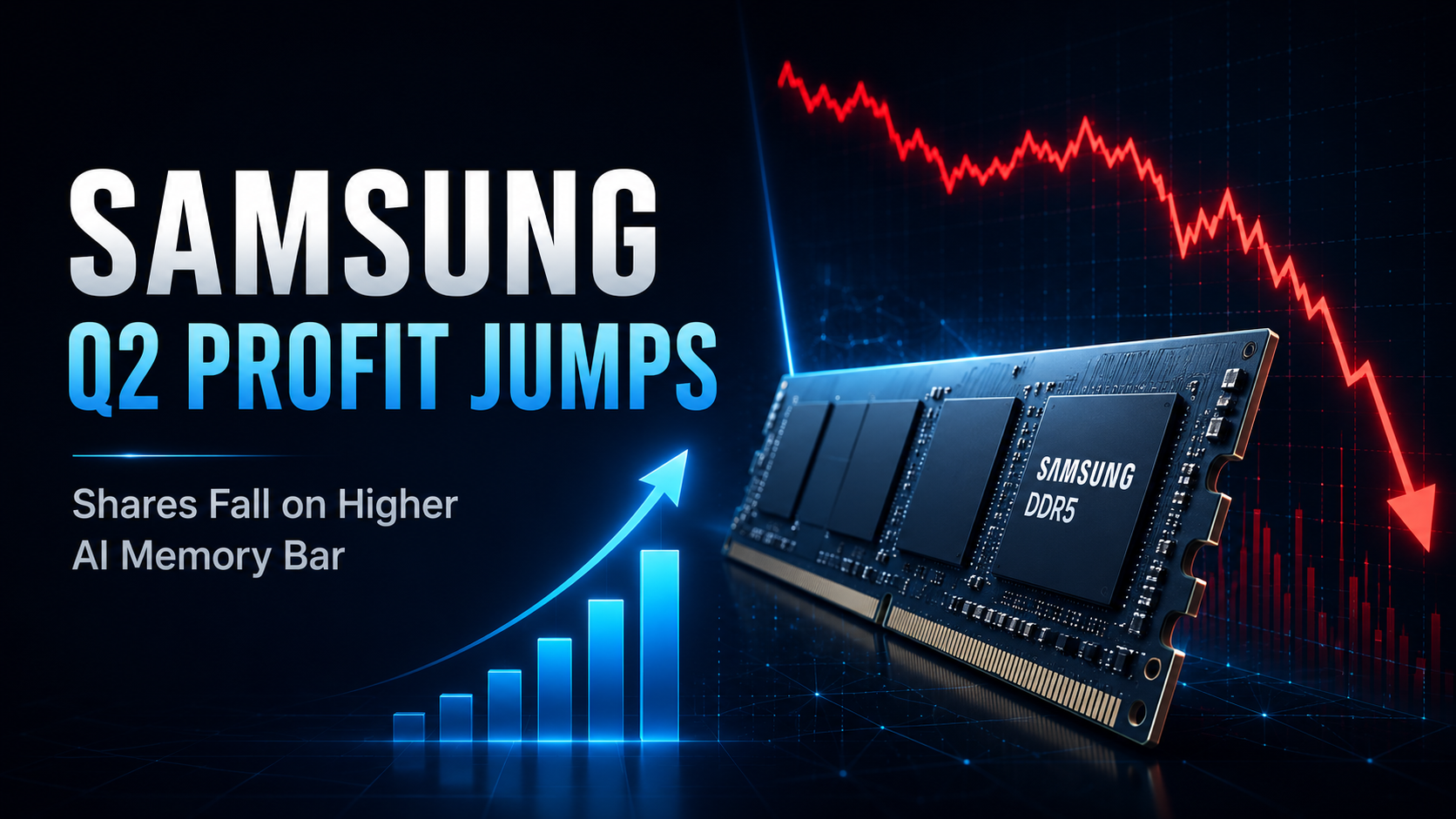
三星第二季度利润暴涨19倍,但股价却下跌:为什么AI存储芯片股票面临更高门槛
三星电子近期发布了2026年第二季度的业绩指引,预计营收约为171万亿韩元,营业利润约为89.4万亿韩元——较去年同期实现了惊人的19倍增长。从账面上看,这是迄今为止AI存储周期中释放出的最强劲的利润信号之一。
然而,市场并没有将其视为一个简单的盈利超预期事件来交易。三星股价在韩国股市盘中一度大跌10.1%,收盘下跌6.9%,并拖累了SK海力士、美光和西部数据等同行。向投资者传递的信号响亮而清晰:投资者不再仅仅关注AI存储需求是否强劲。在经历了一轮历史性的板块大涨之后,他们现在开始质疑当前的存储芯片定价、扩张的利润率以及激进的AI资本支出(capex)是否具有可持续性。
2026/07/08
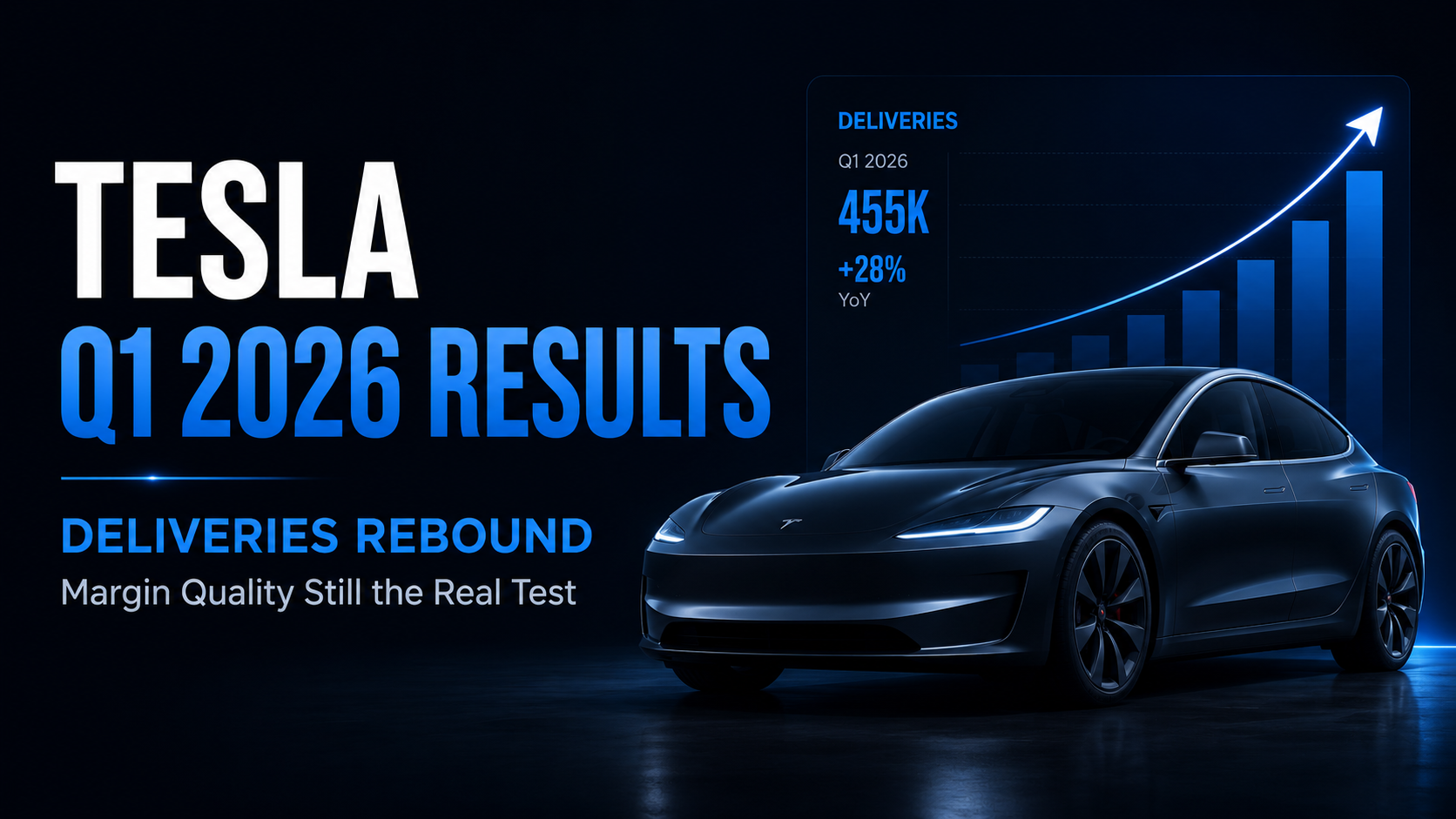
特斯拉2026年第一季度财报回顾:交付量反弹,但利润率质量仍是真正的考验
特斯拉于2026年4月22日美国股市收盘后公布了其2026年第一季度的财务业绩。该公司本季度交付了358,023辆汽车,创造了224亿美元的总营收,并报告归属于普通股股东的GAAP净利润为4.77亿美元。总GAAP毛利率提升至21.1%,而营业利润率达到4.2%。
核心信号不仅在于特斯拉的交付量从去年同期的疲软基数中恢复。更重要的问题是:更高的交付量、FSD相关营收、更低的单车成本以及改善的汽车毛利率,能否重建市场对特斯拉盈利能力的信心。对于寻找下一次TSLA财报日期或关注特斯拉财报的投资者来说,第一季度的表现为第二季度设立了一个关键考验:即销量的增长能否可持续地转化为更高质量的收益。
2026/07/09
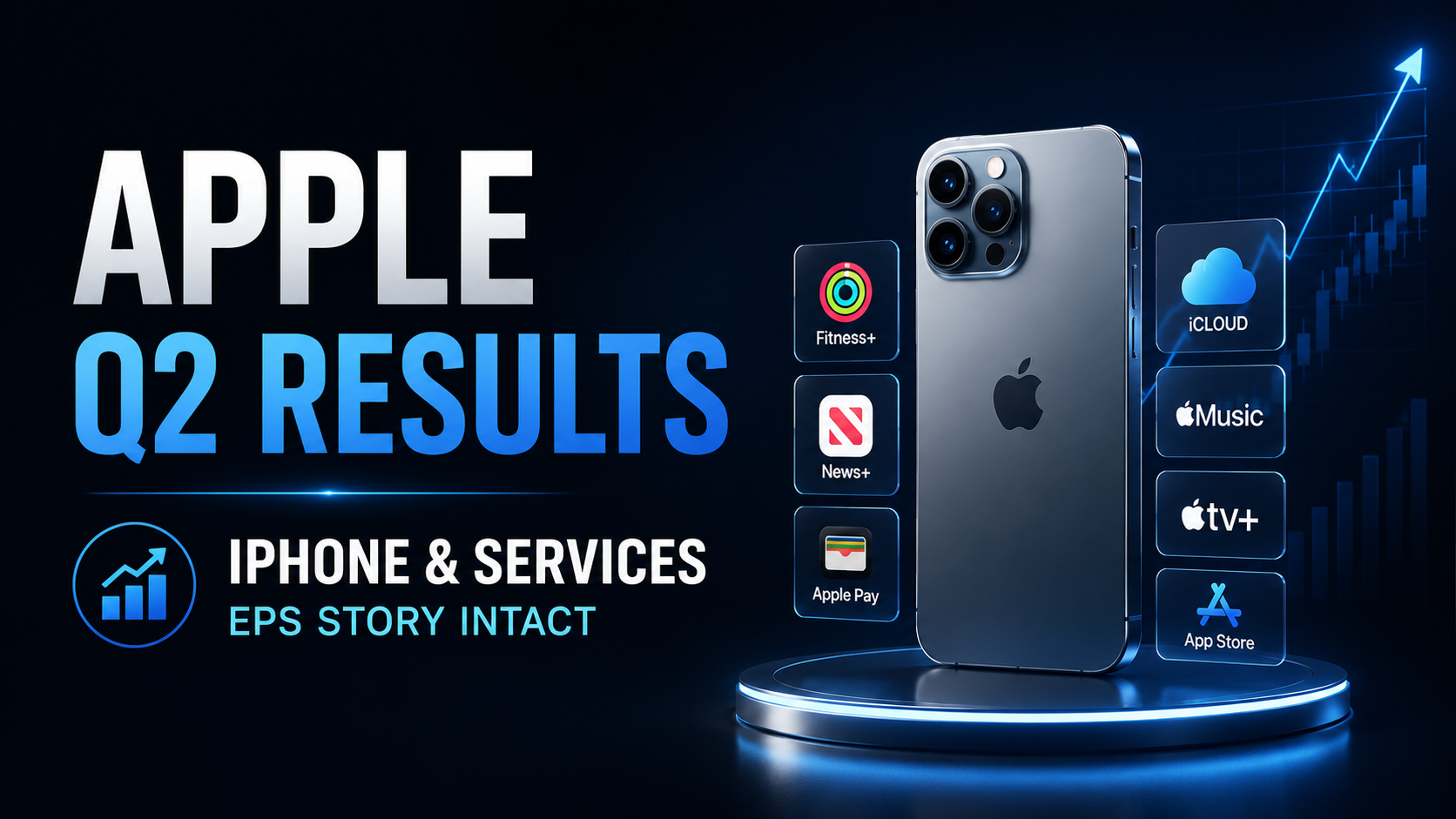
苹果 2026 财年第二季度财报回顾:iPhone 营收与服务业务增长维持 EPS 预期
苹果于 2026 年 4 月 30 日发布了 2026 财年第二季度财报,涵盖截至 2026 年 3 月 28 日的季度。总营收达到 1112 亿美元,同比增长 17%,摊薄后每股收益(EPS)增长 22% 至 2.01 美元。苹果表示,该季度创下了公司 3 月份季度的总营收、iPhone 营收和 EPS 纪录,同时服务业务营收也创下历史新高。
这不仅仅是一份常规的硬件周期财报。苹果第二季度的业绩证明,iPhone 需求、服务业务增长以及积极的资本回报计划仍在共同支撑着该公司强大的 EPS 增长故事。对于寻找下一个苹果财报或 AAPL 财报更新的投资者而言,未来的关键问题是,在市场等待更强劲的 AI 和产品周期催化剂之际,苹果能否维持其溢价估值。
2026/07/09


热门
目前热门备受市场关注的加密货币
加密货币价格
按交易量计算交易量最大的加密货币