MoneyGram has officially become a validator on the Solana network, marking a new milestone in the blockchain strategy of one of the world's largest money transfer companies. The move comes just weeks MoneyGram has officially become a validator on the Solana network, marking a new milestone in the blockchain strategy of one of the world's largest money transfer companies. The move comes just weeks

MoneyGram Becomes a Solana Validator When Traditional Remittance Companies Start Building Blockchain Infrastructure

MoneyGram has officially become a validator on the Solana network, marking a new milestone in the blockchain strategy of one of the world's largest money transfer companies. The move comes just weeks after MoneyGram launched its own stablecoin, MGUSD, signaling that the company is no longer merely using blockchain as a payment tool but is now directly participating in the infrastructure that powers the network.
This development reflects a broader trend across the financial industry: traditional remittance companies are increasingly integrating stablecoins and blockchain into their core business models. As the global stablecoin market continues to expand, MoneyGram's decision to become a Solana validator could signal that the remittance industry is entering its most significant transformation since the rise of the Internet.
 

Key Takeaways

  • MoneyGram has officially become a validator on the Solana network.
  • The company will directly validate transactions and stake SOL tokens.
  • The move follows the launch of MoneyGram's stablecoin, MGUSD.
  • It represents the next phase of the company's blockchain strategy, which has been developing for more than five years.
  • Stablecoins are becoming a core technology within the global remittance industry.
  • Traditional financial companies are increasingly participating in blockchain infrastructure rather than simply relying on third-party services.
 

What Is MoneyGram Doing on Solana?

For many years, MoneyGram was primarily known as an international money transfer company.
However, with its new role on Solana, the company is no longer just a blockchain user—it has become part of the network itself.
As a validator, MoneyGram will:
  • Validate transactions on Solana.
  • Participate in block production.
  • Help maintain network operations.
  • Stake SOL tokens to support the Proof-of-Stake consensus mechanism.
This allows the company to participate directly in blockchain operations rather than simply building services on top of blockchain technology.
The move is significant because it demonstrates that blockchain is becoming part of MoneyGram's core technology infrastructure rather than remaining an experimental tool.


What Is a Validator and Why Does It Matter?

Validators are network nodes responsible for confirming transactions and maintaining blockchain integrity.
On Solana, validators play several critical roles:
  • Verifying transaction validity.
  • Processing network data.
  • Participating in the Proof-of-Stake consensus process.
  • Helping ensure network security and stability.
Traditionally, validators are typically:
  • Blockchain infrastructure providers.
  • Crypto investment firms.
  • Technology companies.
  • Community participants.
It is relatively uncommon for a traditional remittance company like MoneyGram to join this group.
This highlights how blockchain is increasingly attracting major financial institutions at the infrastructure level rather than merely as end users.
 

From Remittance Services to Blockchain Infrastructure

This latest development is not an isolated event.
Over the past five years, MoneyGram has steadily expanded its involvement in digital assets.

Phase One: Blockchain Experimentation

Initially, the company focused on identifying solutions that could reduce the cost of international money transfers.
Blockchain was viewed as a technology capable of:
  • Reducing settlement times.
  • Lowering intermediary costs.
  • Improving transaction efficiency.

Phase Two: Stablecoin Integration

MoneyGram later expanded into stablecoin-related products and services.
Stablecoins offer several advantages:
  • Instant value transfer.
  • Continuous 24/7 operation.
  • More efficient cross-border payments.

Phase Three: Blockchain Infrastructure Participation

Becoming a Solana validator demonstrates that the company is entering a new phase.
Rather than simply building services on blockchain networks, MoneyGram is now directly participating in network operations.
 

MGUSD and MoneyGram's Stablecoin Strategy

Another important component of this strategy is MGUSD.
MGUSD is a stablecoin developed by MoneyGram to support the company's global payment network.
The combination of:
  • A proprietary stablecoin.
  • Blockchain infrastructure participation.
  • A global remittance network.
could create a significant competitive advantage for MoneyGram in the future.
Rather than relying entirely on third-party stablecoins such as USDC or USDT, the company is building its own payment ecosystem.
This approach may help:
  • Improve control over payment flows.
  • Reduce reliance on external providers.
  • Enhance product integration.
  • Optimize operational costs.
 

Why Are Stablecoins Becoming So Important for Remittances?

The international remittance industry has long faced several structural challenges.

Slow Settlement Times

Many cross-border payments still require hours or even days to settle.

High Costs

Transactions often pass through multiple intermediaries, increasing fees.

Limited Operating Hours

Traditional banking systems generally do not operate continuously.
Stablecoins address many of these issues.

Near-Instant Settlement

Blockchain networks can process transactions within seconds or minutes.

24/7 Availability

Transactions can occur at any time, including weekends and holidays.

Lower Costs

Many intermediaries can be eliminated from the payment process.

Global Scalability

Users across different countries can transact on the same infrastructure.
For these reasons, stablecoins are increasingly becoming the foundational technology of the modern remittance industry.
 

Why Did MoneyGram Choose Solana?

Solana has become one of the most widely used blockchains for payment applications.
Several factors make it attractive:

High Speed

The network can process thousands of transactions per second.

Low Fees

Transaction costs are significantly lower than on many competing blockchains.

Strong Stablecoin Ecosystem

Solana is attracting substantial activity involving USDC and other stablecoins.

Suitability for Large-Scale Payments

This is especially important for a global remittance company such as MoneyGram.
Direct participation in the network also allows the company to gain deeper insight into the infrastructure supporting its services.
 

What Does This Mean for the Crypto Market?

MoneyGram becoming a Solana validator carries implications far beyond a single company.

Broader Blockchain Adoption

More traditional businesses are directly participating in blockchain ecosystems.

Continued Stablecoin Expansion

Financial institutions increasingly view stablecoins as the future of payments infrastructure.

Blockchain Infrastructure as a Strategic Asset

Companies no longer want to be merely customers of blockchain networks—they want to help build and operate them.

Changing Competition in the Remittance Industry

Companies that adopt stablecoins and blockchain infrastructure early may gain substantial advantages in cost efficiency and transaction speed.
 

Conclusion

MoneyGram's decision to become a Solana validator is another sign that blockchain technology is becoming increasingly integrated into the traditional financial system. After years of experimentation and digital asset adoption, the company is now directly participating in blockchain infrastructure while simultaneously developing its own stablecoin to support its global payments network.
As stablecoins continue to emerge as a critical payment technology, MoneyGram's latest move suggests that the future of remittances may involve not only using blockchain but also directly building and operating blockchain networks that support global financial activity.
 

FAQ

What does it mean that MoneyGram became a Solana validator?

It means the company directly participates in transaction validation, operates a network node, and stakes SOL tokens on the Solana blockchain.

What is the role of a validator?

Validators confirm transactions, maintain network security, and help ensure that the blockchain operates reliably.

What is MGUSD?

MGUSD is a stablecoin developed by MoneyGram to support payment and remittance activities.

Why are stablecoins important for remittances?

Stablecoins enable faster payments, lower transaction costs, and 24/7 global operations.

What impact does this have on the crypto market?

The development demonstrates that traditional financial companies are becoming increasingly involved in blockchain infrastructure and stablecoins, helping accelerate mainstream adoption of digital asset technology.
 
Disclaimer: The information provided here is for informational purposes only and should not be considered financial, investment, legal, or professional advice. Always conduct your own research, consider your financial situation, and, if necessary, consult with a licensed professional before making any decisions.
Cơ hội thị trường
Logo 4
Giá 4(4)
--
----
USD
Biểu đồ giá 4 (4) theo thời gian thực

Mô tả: Nhịp đập tiền mã hoá áp dụng AI và các nguồn công khai để nhanh chóng mang đến những xu hướng token hot nhất. Để xem nhận định từ chuyên gia và phân tích chuyên sâu, vui lòng truy cập MEXC Learn.

Các bài viết được chia sẻ trên trang này được lấy từ các nền tảng công khai và chỉ nhằm mục đích tham khảo. Các bài viết này không đại diện cho lập trường hoặc quan điểm của MEXC. Mọi quyền thuộc về Nguyen Rin Hoang. Nếu bạn cho rằng bất kỳ nội dung nào vi phạm quyền của bên thứ ba, vui lòng liên hệ service@support.mexc.com để được gỡ bỏ kịp thời. MEXC không đảm bảo tính chính xác, đầy đủ hoặc kịp thời của bất kỳ nội dung nào và không chịu trách nhiệm cho các hành động được thực hiện dựa trên thông tin cung cấp. Nội dung này không cấu thành lời khuyên tài chính, pháp lý hoặc chuyên môn khác, và cũng không nên được xem là khuyến nghị hoặc xác nhận từ MEXC. Để xem những nhận định chuyên sâu và phân tích chi tiết, vui lòng truy cập MEXC Learn.

Cập nhật mới nhất về 4

Xem thêm
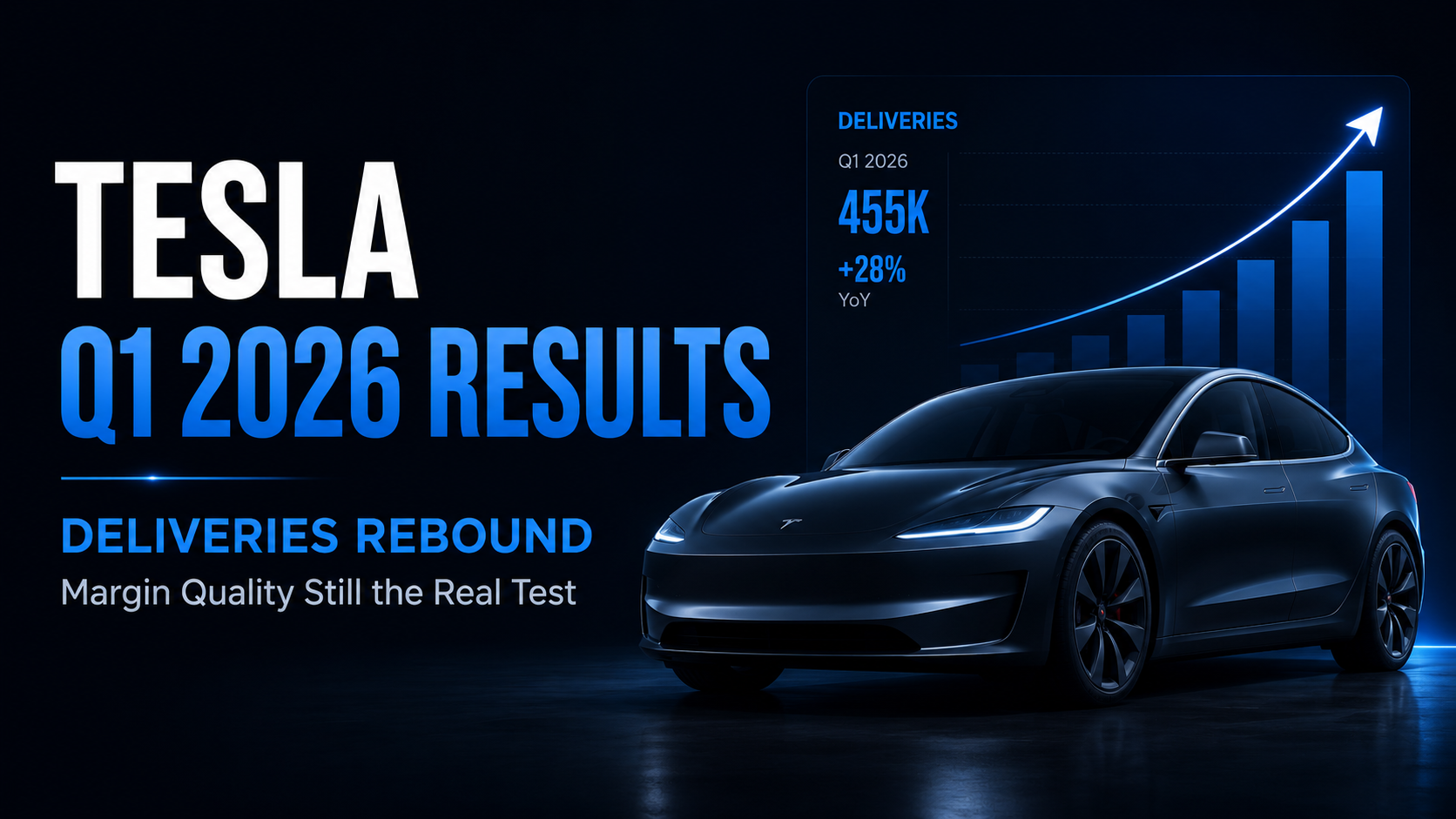
Đánh giá Báo cáo Tài chính Q1 2026 của Tesla: Số lượng giao xe phục hồi, nhưng Chất lượng Biên lợi nhuận mới là Thử thách thực sự
Đánh giá Báo cáo Tài chính Q1 2026 của Tesla: Số lượng giao xe phục hồi, nhưng Chất lượng Biên lợi nhuận mới là Thử thách thực sự

Tesla đã báo cáo kết quả tài chính Q1 2026 vào ngày 22 tháng 4 năm 2026, sau khi thị trường Mỹ đóng cửa. Công ty đã giao 358.023 xe trong quý, tạo ra tổng doanh thu 22,4 tỷ USD và báo cáo lợi nhuận ròng GAAP phân bổ cho các cổ đông phổ thông là 477 triệu USD. Tổng biên lợi nhuận gộp GAAP cải thiện lên 21,1%, trong khi biên lợi nhuận hoạt động đạt 4,2%. Tín hiệu nổi bật không chỉ là sự phục hồi số lượng giao xe của Tesla từ mức cơ sở yếu hơn của năm trước. Câu hỏi quan trọng hơn là liệu lượng giao hàng cao hơn, doanh thu liên quan đến FSD, chi phí xe thấp hơn và biên lợi nhuận ô tô được cải thiện có thể xây dựng lại niềm tin vào câu chuyện lợi nhuận của Tesla hay không. Đối với các nhà đầu tư đang tìm kiếm báo cáo thu nhập tiếp theo của TSLA, Q1 thiết lập một bài kiểm tra quan trọng cho Q2: xác định xem liệu sự tăng trưởng số lượng có thể chuyển hóa bền vững thành thu nhập chất lượng cao hơn hay không.
2026/07/09
Đánh giá Thu nhập Quý 2 năm tài chính 2026 của Apple: Doanh thu iPhone và Tăng trưởng Dịch vụ Giữ vững Kỳ vọng EPS
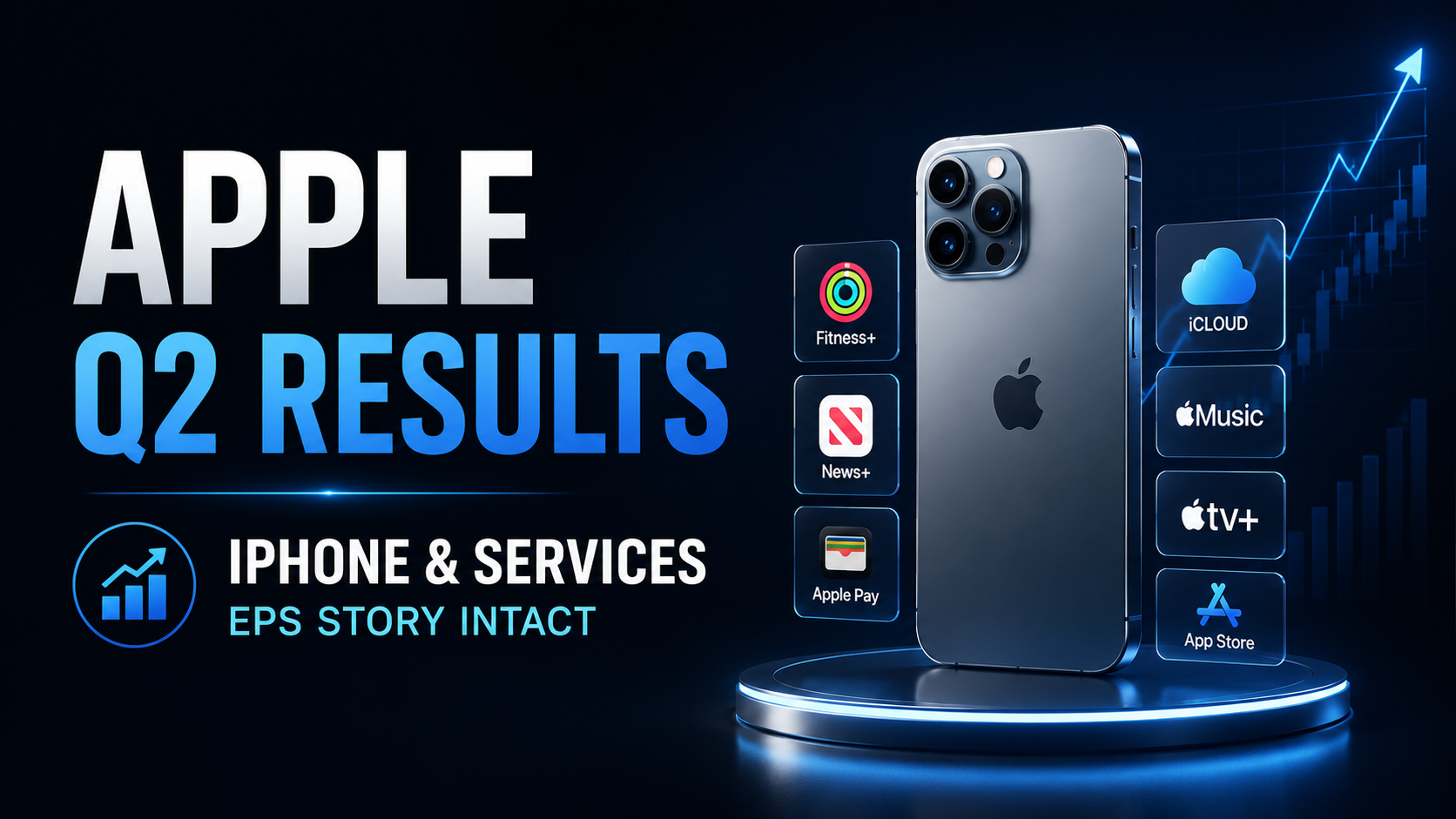
Đánh giá Thu nhập Quý 2 năm tài chính 2026 của Apple: Doanh thu iPhone và Tăng trưởng Dịch vụ Giữ vững Kỳ vọng EPS

Apple đã báo cáo kết quả tài chính quý 2 năm tài chính 2026 vào ngày 30 tháng 4 năm 2026, cho quý kết thúc ngày 28 tháng 3 năm 2026. Doanh thu đạt 111,2 tỷ USD, tăng 17% so với cùng kỳ năm trước, trong khi chỉ số EPS pha loãng tăng 22% lên mức 2,01 USD. Apple cho biết quý này đã thiết lập các kỷ lục mới của quý tháng 3 về tổng doanh thu công ty, doanh thu từ iPhone và EPS, trong khi doanh thu từ mảng Dịch vụ (Services) đã đạt mức cao nhất mọi thời đại. Báo cáo tài chính này không chỉ đơn thuần phản ánh kết quả của một chu kỳ phần cứng thông thường. Kết quả Q2 của Apple cho thấy nhu cầu iPhone, sự tăng trưởng ổn định của mảng Dịch vụ và các chương trình hoàn vốn đầu tư lớn cho cổ đông đang phối hợp chặt chẽ để củng cố câu chuyện tăng trưởng EPS bền vững của công ty. Đối với các nhà đầu tư đang tìm kiếm thông tin về báo cáo tài chính Apple, cập nhật mã AAPL hoặc lịch công bố thu nhập tiếp theo, câu hỏi mấu chốt sau Q2 là liệu Apple có thể tiếp tục bảo vệ mức định giá cao của mình trong bối cảnh thị trường đang chờ đợi các chất xúc tác mạnh mẽ hơn từ làn sóng AI và chu kỳ sản phẩm mới.
2026/07/09
Lãi suất mở Hyperliquid đạt 11,5 tỷ USD: Liệu các hợp đồng tương lai vĩnh cửu trên chuỗi có đang mở rộng sang thị trường cổ phiếu Hoa Kỳ?

Lãi suất mở Hyperliquid đạt 11,5 tỷ USD: Liệu các hợp đồng tương lai vĩnh cửu trên chuỗi có đang mở rộng sang thị trường cổ phiếu Hoa Kỳ?

Lãi suất mở của Hyperliquid đã đạt khoảng 11,5 tỷ USD, mức cao mới trong năm 2026, với các thị trường HIP-3 đóng góp gần 4 tỷ USD. Hợp đồng liên kết với S&P 500 đã trở thành thị trường HIP-3 lớn nhất, trong khi các hợp đồng theo dõi SK Hynix và Micron Technology phản ánh nhu cầu ngày càng tăng đối với khả năng tiếp xúc liên quan đến AI và chất bán dẫn.
2026/07/28
Xem thêm