

Arizona AG Charges Kalshi With Illegal Gambling Over Election Betting
- The Attorney General of the US state of Arizona, Kris Mayes, has filed criminal charges against prediction market Kalshi for operating an unlicensed gambling platform and establishing betting markets on the outcomes of elections.
- Kalshi is facing 20 counts, including charges related to creating betting markets on the outcome of the 2026 Arizona gubernatorial election and the 2028 US Presidential election.
- The charges come just days after the CFTC announced new initial guidance for the regulation of prediction markets and a proposal that could see these platforms regulated solely by the CFTC as derivatives venues.
Attorney General of the US state of Arizona, Kris Mayes, filed criminal charges against prediction market platform Kalshi on Tuesday, alleging it has been operating an unlicensed wagering business within the state and illegally offering betting markets on the outcome of state and federal elections.
In all, Mayes charged KalshiEx LLC and Kalshi Trading LLC (the companies behind Kalshi’s platform) with 20 counts, including offences relating to establishing betting markets on the outcome of the 2026 Arizona gubernatorial (Governor) election and the 2028 US presidential election. In Arizona, there is a complete prohibition on betting on the outcome of elections.
Kalshi may brand itself as a ‘prediction market,’ but what it’s actually doing is running an illegal gambling operation and taking bets on Arizona elections, both of which violate Arizona law.
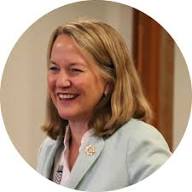 Kris Mayes, Arizona Attorney General
“No company gets to decide for itself which laws to follow,” Mayes said.
The charges come after Kalshi preemptively sued the government of Arizona on March 12, a move which Mayes has described as “an attempt to avoid accountability under Arizona law.”
Related:Kalshi and Polymarket Each Eye $20B Valuations as Prediction Markets Hit $18B Monthly Volume
Kalshi Wants to be Regulated as a Derivatives Venue, Not Gambling Platform
Arizona’s decision to file charges against Kalshi comes just days after the Commodity Futures Trading Commission (CFTC) issued updated initial guidance around prediction market regulation, which will see them treated under law as derivatives venues rather than gambling operators. On the same day, the CFTC also proposed a new rule-making process to establish a more permissive permanent framework around prediction markets.
According to CFTC Chair Michael Selig, the new framework would seek to take regulation of prediction markets out of the hands of individual states, such as Arizona, and instead grant the CFTC sole jurisdiction at the federal level.
“This begins the process of new rulemaking grounded in a rational and coherent interpretation of the Commodity Exchange Act,” Selig said in a statement. He said the new rules would also reassure “the American people that the CFTC will exercise its exclusive jurisdiction over prediction markets.”
This announcement was good news for Kalshi, as it has long sought to be regulated as a derivatives venue rather than as a gambling platform. This is an important distinction — if prediction markets are regulated as derivatives venues, they’d come under the jurisdiction of the CFTC, meaning they’d be regulated at a federal level by an increasingly friendly agency rather than by relatively hostile state-based gambling regulators.
There is still considerable lack of clarity around the regulation of prediction markets and legal battles in several US states have had conflicting rulings, further muddying the waters.
Last year, a federal judge in Nevada ruled that Kalshi’s sports-related markets fall under the jurisdiction of the state’s gambling regulators and a judge in Massachusetts made a similar ruling. Meanwhile, in January, a federal judge in Tennessee went the other way, ruling that state-based regulators couldn’t enforce a cease and desist order against Kalshi.
Those rulings differ from the current charges in Arizona as they were sports-based, whereas Arizona’s charges largely relate to election betting.
Related:Kalshi Faces Backlash After $50M Market on Khamenei’s Death Sparks Rule Dispute
In addition to Arizona, Kalshi has also recently commenced legal action against the governments of Utah and Iowa, a move Mayes believes is part of a strategy to try to use federal courts to avoid accountability to state-based regulators.
“Kalshi is running to federal court to try to avoid accountability,” Mayes said, adding that “Kalshi is making a habit of suing states rather than following their laws.”
The post Arizona AG Charges Kalshi With Illegal Gambling Over Election Betting appeared first on Crypto News Australia.
You May Also Like

The Linux Foundation has been awarded $12.5 million to address low-quality security reports generated by AI.

Finastra Strengthens AI Capabilities with New Center of Excellence and Leadership Appointment


