

Finding regulatory balance in Nigeria’s blooming content creation space
For a while, there have been moves to regulate the activities of content creation amid issues surrounding privacy breaches and unauthorised filming of individuals.
Recall that last Friday, the Nigerian Data Protection Commission (NDPC) warned content creators against filming and posting pictures or videos of unsuspecting Nigerians on social media platforms. The directive follows growing trends of how creatives take pictures and record people without their consent.
The development has further raised concerns over the abusive actions of some content creators who highly exploit people’s privacy and use such footage for promotional content or online entertainment across social media platforms such as X, TikTok, Facebook and Instagram.
In addition, the unethical operation of some creatives who deploy risky pranks on innocent or unsuspecting Nigerians underscores questions of integrity and societal sanity.
Similarly, the Lagos State University (LASU) recently regulated content creation after a bandit prank that caused pandemonium among students on campus. The activity, which occurred in January, was tagged as offensive content and raised concerns over moral considerations.

Also, the University of Lagos (UNILAG) prohibited the unauthorised use of its campus, including hostels and other facilities, for video production by skitmakers, filmmakers, and content creators. The action, implemented in October, is a move to curb the increasing use of its campus for video production.
Now, authorities have been drawing more attention to how to further curtail content creation and regulate creators from breaching people’s privacy when filming.
On Sunday, in celebration of World Consumer Rights Day, the National Association of Telecommunications Subscribers (NATCOMS) called on both the Nigerian Communications Commission (NCC) and the Nigeria Data Protection Commission (NDPC) to initiate a bill that protects Nigerians from authorised filming by content creators.
Chief Adeolu Ogunbanjo, NATCOMS President, said the bill will safeguard the rights and interests of both telecom subscribers and Nigerians at large from individuals who derive pleasure in recording people without their consent.
 Chief Adeolu Ogunbanjo, NATCOMS President
With increasing calls for stronger regulation comes the conversation on how these will not suppress the Nigerian creative industry.
It comes as the Nigeria Data Protection Act (NDP Act) 2023, and Section 37 of the 1999 Constitution, already protects the right to privacy. Section 10 of the Cybercrimes Act also places criminal activity on recording conversations without authorisation, even if the creator is part of the discussion.
Also Read: Nigerian content creator Olawale shines on TikTok’s 50 most influential list
When creativity meets regulation
The Nigerian creative industry continues to expand rapidly, driven by young creators leveraging social media for monetisation. The surge is also fueled by the fast-paced global trends, unemployment, an increase in smartphone penetration and internet subscribers.
The creative industry, according to a report, is one of the biggest employers of labour. Ranging from skit making to film, music and fashion, young Nigerians have turned what was once considered ‘informal work’ into an industry, creating employment. The industry is also largely responsible for exporting Nigeria’s culture across the continent to the world.
As of 2022, the Nigerian creative sector employed an estimated 4.2 million Nigerians, making it the second-largest employer. The Jobberman research tipped the sector to create an additional 2.8 million jobs by 2025-2026, signalling the potential and growth of a sector highly explored by Nigeria’s growing youth population.
However, an increasing landscape needs regulation to manage associated risks and ensure fair practices, especially when such an activity is human-centred.
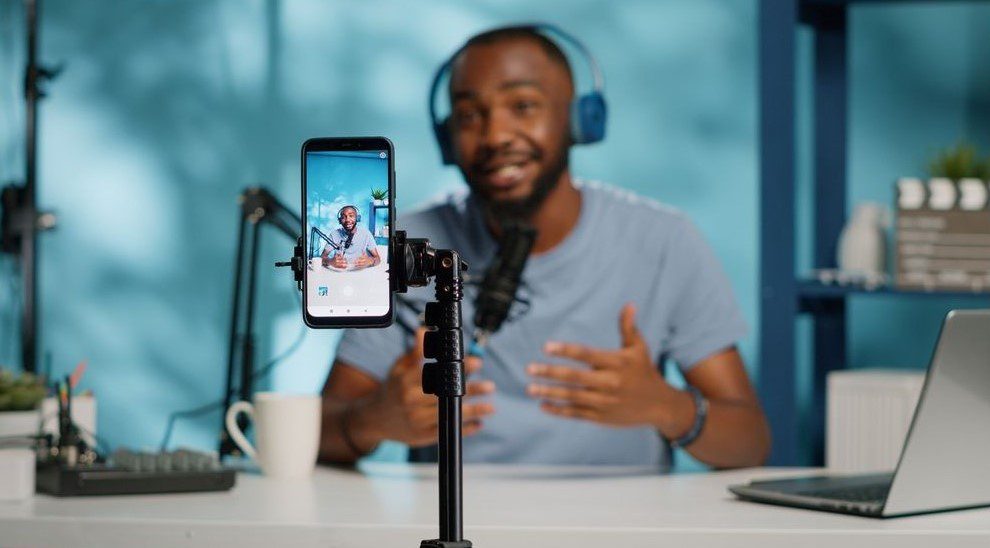 A content creator
The content creation space is at the centre of the conversation. Laws are needed to ensure safety, accountability, privacy, and to protect both consumers and the intellectual property rights of creators.
But when privacy breaches and authorised filming have become the order of the day, regulations are needed to enforce citizens’ protection.
A thin line exists between regulation and innovation. While regulation ensures fair and safe practices, it typically encourages innovation within ethical boundaries.
The focus appears to be on responsible content creation.
Also Read: What Nigerian creators need to know about Meta’s crackdown on unoriginal Facebook content.
Regulation vs protection of creativity
NATCOMS’ call for a dedicated bill that regulates content creation is another attempt to place more focus on actions found to have been recently embarrassing: when people are recorded by an unknown individual and see their images across social media.
“The NCC and NDPC should, as a matter of urgent Public Importance, Initiate A Bill through The Green and Red Chambers of the National Assembly to this effect,” the president said in the statement.
Meanwhile, NATCOMS’ call is a two-edged sword. While it’s an attempt to protect Nigerians from unauthorised filming, it is an indirect threat to the creative economy’s growth.
Increased rules stand a chance of moderating content creation activity, but make the industry vulnerable to over-regulation and stifling creativity.
The NDPC has specifically warned that filming or photographing people in public spaces without their consent to create content could face criminal prosecution and maximum sanctions under the NDP Act for violating the privacy rights of Nigerians.
After all, regulation still sets rules to create boundaries, sparks creativity and allows creators to expand without hurting others.
While the focus is on making sure content creators are responsible and respect people’s rights and privacy, over-regulation raises red flags of suppressing a talent-driven industry.
The post Finding regulatory balance in Nigeria’s blooming content creation space first appeared on Technext.
You May Also Like

XRP Flips BNB as Open Interest Surges

XRP rallies as ledger activity surges — even as ETFs suffer over $50 million in outflows

