The post GENIUS ACT and Beyond: Kaia Explains Asian Perspective appeared on BitcoinEthereumNews.com. With the recent passing of the GENIUS Act, a landmark US regulation for stablecoins, global attention has intensified. To discuss the growing stablecoin landscape in Asia, BeInCrypto sat down with Dr. Sam Seo, Chairman of Kaia. As one of Asia’s leading crypto platforms, Kaia is at the forefront of shaping regional stablecoin strategies. Stablecoins Take the Spotlight in Asia President Donald Trump has signed the GENIUS Act, the first US federal law governing stablecoins, just one day after it cleared the House. The landmark legislation requires one-to-one reserves, regular audits, and limits issuance to licensed banks, credit unions, and certain approved non-banks, while banning algorithmic or unbacked coins. The move has already triggered a wave of corporate interest. Within weeks, major US retailers such as Amazon and Walmart began exploring proprietary stablecoins to cut card-network fees, speed settlement, and integrate loyalty programs. Supporters see this as a step toward mainstream adoption; critics warn it could pull deposits from traditional banks and force them to accelerate digital-currency strategies. The timing comes as the US dollar faces its sharpest first-half drop since 1973, prompting European investors to turn to euro-denominated trading and euro-pegged stablecoins to reduce FX risk. While the dollar remains dominant, the regulatory clarity of the GENIUS Act could strengthen its position in crypto just as Asia weighs how to benefit from USD-based liquidity without undermining local currencies. Kaia DLT Foundation’s Chairman, Dr. Sam Seo, discussed with BeInCrypto how Asian policymakers and platforms should respond — and why a regional stablecoin alliance may be critical for the region’s long-term autonomy. Stablecoin vs Fiat. Source: Kaiko Seo did not hesitate to pick the stablecoin when asked about the most critical trend in Asia’s digital asset market. “The most trendy one is stablecoin,” he said. “Even before the Genius Act, the increasing… The post GENIUS ACT and Beyond: Kaia Explains Asian Perspective appeared on BitcoinEthereumNews.com. With the recent passing of the GENIUS Act, a landmark US regulation for stablecoins, global attention has intensified. To discuss the growing stablecoin landscape in Asia, BeInCrypto sat down with Dr. Sam Seo, Chairman of Kaia. As one of Asia’s leading crypto platforms, Kaia is at the forefront of shaping regional stablecoin strategies. Stablecoins Take the Spotlight in Asia President Donald Trump has signed the GENIUS Act, the first US federal law governing stablecoins, just one day after it cleared the House. The landmark legislation requires one-to-one reserves, regular audits, and limits issuance to licensed banks, credit unions, and certain approved non-banks, while banning algorithmic or unbacked coins. The move has already triggered a wave of corporate interest. Within weeks, major US retailers such as Amazon and Walmart began exploring proprietary stablecoins to cut card-network fees, speed settlement, and integrate loyalty programs. Supporters see this as a step toward mainstream adoption; critics warn it could pull deposits from traditional banks and force them to accelerate digital-currency strategies. The timing comes as the US dollar faces its sharpest first-half drop since 1973, prompting European investors to turn to euro-denominated trading and euro-pegged stablecoins to reduce FX risk. While the dollar remains dominant, the regulatory clarity of the GENIUS Act could strengthen its position in crypto just as Asia weighs how to benefit from USD-based liquidity without undermining local currencies. Kaia DLT Foundation’s Chairman, Dr. Sam Seo, discussed with BeInCrypto how Asian policymakers and platforms should respond — and why a regional stablecoin alliance may be critical for the region’s long-term autonomy. Stablecoin vs Fiat. Source: Kaiko Seo did not hesitate to pick the stablecoin when asked about the most critical trend in Asia’s digital asset market. “The most trendy one is stablecoin,” he said. “Even before the Genius Act, the increasing…

GENIUS ACT and Beyond: Kaia Explains Asian Perspective

5 min read

With the recent passing of the GENIUS Act, a landmark US regulation for stablecoins, global attention has intensified. To discuss the growing stablecoin landscape in Asia, BeInCrypto sat down with Dr. Sam Seo, Chairman of Kaia. As one of Asia’s leading crypto platforms, Kaia is at the forefront of shaping regional stablecoin strategies.

Stablecoins Take the Spotlight in Asia

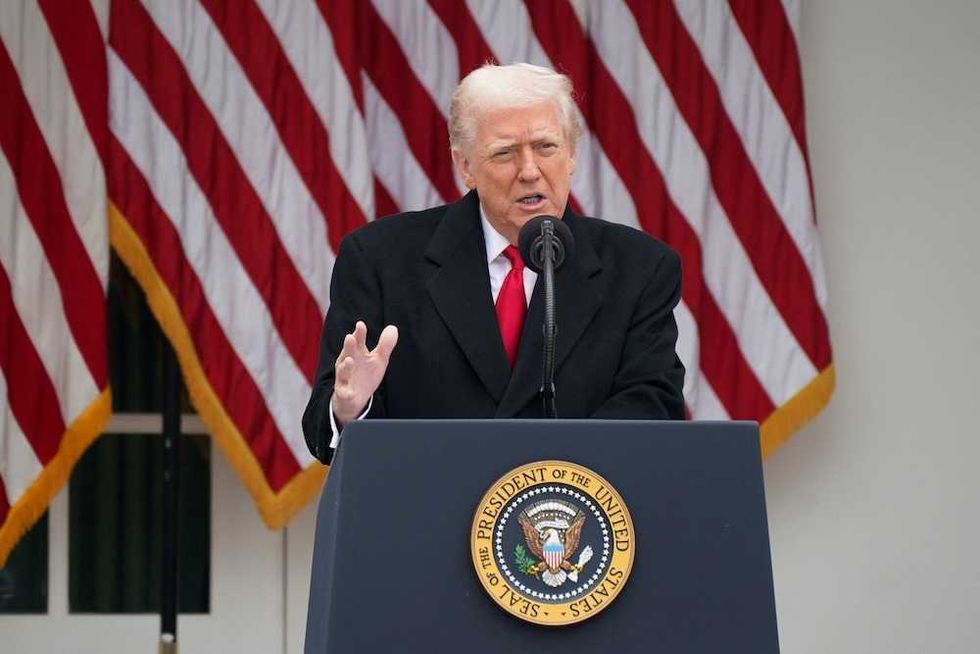
President Donald Trump has signed the GENIUS Act, the first US federal law governing stablecoins, just one day after it cleared the House. The landmark legislation requires one-to-one reserves, regular audits, and limits issuance to licensed banks, credit unions, and certain approved non-banks, while banning algorithmic or unbacked coins.

The move has already triggered a wave of corporate interest. Within weeks, major US retailers such as Amazon and Walmart began exploring proprietary stablecoins to cut card-network fees, speed settlement, and integrate loyalty programs. Supporters see this as a step toward mainstream adoption; critics warn it could pull deposits from traditional banks and force them to accelerate digital-currency strategies.

The timing comes as the US dollar faces its sharpest first-half drop since 1973, prompting European investors to turn to euro-denominated trading and euro-pegged stablecoins to reduce FX risk. While the dollar remains dominant, the regulatory clarity of the GENIUS Act could strengthen its position in crypto just as Asia weighs how to benefit from USD-based liquidity without undermining local currencies.

Kaia DLT Foundation’s Chairman, Dr. Sam Seo, discussed with BeInCrypto how Asian policymakers and platforms should respond — and why a regional stablecoin alliance may be critical for the region’s long-term autonomy.

Stablecoin vs Fiat. Source: Kaiko

Seo did not hesitate to pick the stablecoin when asked about the most critical trend in Asia’s digital asset market.

He stressed that stablecoin adoption is expanding rapidly across Asia, making it far from a phenomenon limited to the US or Europe. USD-backed coins are also heavily used by Asian individuals and businesses. The surge extends beyond speculative trading, with stablecoins increasingly embedded in everyday transactions, cross-border commerce, and regional regulatory agendas.

Leaders and Regional Defenders

When asked which countries are driving innovation, Seo pointed to two leading ones.

Singapore’s early action placed it ahead of other Asian jurisdictions in setting clear, enforceable rules. The UAE, led by Dubai and Abu Dhabi, has also built a comprehensive regulatory framework for digital assets, including stablecoins.

By contrast, Seo said, several countries focus on stablecoins pegged to their own currencies.

This reflects a shared priority: protecting domestic monetary systems and safeguarding national currencies from being displaced by foreign-backed coins.

Genius Act: Both Threat and Opportunity

The GENIUS Act has created a clear framework for regulated USD stablecoins such as USDC and PayPal USD. For Asia, Seo sees both danger and potential.

Global Market Overview. Source: RWA.xyz

Seo noted that regulated USD stablecoins under the GENIUS Act could also unlock new capital flows for Asia’s tokenized asset markets — from government bonds to real estate — boosting fundraising and trading activity. He also emphasized that because stablecoins are typically issued and transacted on public blockchains, they are transparent to all participants. At the same time, privacy can still be preserved through selective anonymization of user data.

Japan’s Strict Model and the Need for Balance

Japan’s Payment Services Act allows only banks, trust companies, and licensed remittance providers to issue stablecoins, requiring full reserve backing and regular audits. Seo sees this as a strong safeguard for the yen.

But he also cautioned against overreach.

Payments, E-Commerce, and Inclusion

Seo believes stablecoins could push Web3 into the mainstream in Asia, especially in payments and e-commerce.

“Absolutely yes,” he affirmed. “In some countries, for example, in Vietnam and Indonesia, QR payments are nearly dominant, rather than credit card payments.”

By integrating stablecoins into QR-enabled wallets, millions could transact without needing a bank account or card, which requires them to go through the complexity of the bank’s authentication process.

Europe’s Edge and Asia’s Alliance Gap

Seo noted that Europe enjoys easier liquidity coordination thanks to the euro and the MiCA framework. With its multiple currencies alongside the regulatory diversity, Asia does not have this advantage.

Such an alliance could be a foundation for cross-border interoperability and reduce friction between regional markets.

Kaia’s Roadmap for Regional Cooperation

Kaia is focused on expanding real-world use cases for stablecoins and driving adoption in Asia. It already supports USDT natively and plans to onboard yen-, rupiah-, and Hong Kong dollar–backed stablecoins. The second phase is to build an on-chain FX market for seamless currency swaps and efficient cross-border settlements. This would improve liquidity, lower transaction costs, and enable faster payments.

The final stage is to ally Asian stablecoin issuers to standardize practices and expand regional network effects.

“We are definitely working on that,” Seo said of Kaia’s collaboration with LINE Messenger, one of the most popular ones in the region. “Someday, the LINE users from Japan or other countries could use different stablecoins inside the LINE messenger. But it requires proper regulation as well.”

Kaia is working closely with LINE to explore stablecoin integration, expecting that once the legal framework is ready, LINE users can send and receive stablecoins seamlessly, domestically and internationally.

Kaia is a Layer 1 blockchain platform launched in August 2024. It combines Klaytn from Kakao and Finschia from Naver, Korea’s dominant tech giants. Naver’s LINE Messenger has a massive Asian user base in Japan, Taiwan, and other countries.

Kaia chain network onboarded Tether’s USDT in May this year, and it is also in discussions with other stablecoin and fintech companies to create potential KRW, JPY, and other currency-backed stablecoins.

Asia’s Defining Choice

For Seo, the strategy is clear: build local currency stablecoins, selectively integrate USD liquidity, and connect them through a regional interoperability framework.

The GENIUS Act may solidify the dollar’s regulated role in global crypto. Whether Asia responds with fragmentation or a united strategy will determine the region’s financial autonomy for years.

The post GENIUS ACT and Beyond: Kaia Explains Asian Perspective appeared first on BeInCrypto.

Source: https://beincrypto.com/genius-act-and-beyond-kaia-explains-asian-perspective/
Market Opportunity
OFFICIAL TRUMP Logo
OFFICIAL TRUMP Price(TRUMP)
$4.126
$4.126$4.126
-0.38%
USD
OFFICIAL TRUMP (TRUMP) Live Price Chart
Disclaimer: The articles reposted on this site are sourced from public platforms and are provided for informational purposes only. They do not necessarily reflect the views of MEXC. All rights remain with the original authors. If you believe any content infringes on third-party rights, please contact service@support.mexc.com for removal. MEXC makes no guarantees regarding the accuracy, completeness, or timeliness of the content and is not responsible for any actions taken based on the information provided. The content does not constitute financial, legal, or other professional advice, nor should it be considered a recommendation or endorsement by MEXC.

You May Also Like

Trump swears he'll donate winnings in $10 billion lawsuit against his own IRS

Trump swears he'll donate winnings in $10 billion lawsuit against his own IRS

President Donald Trump told NBC News' Tom Llamas in an interview released on Wednesday that he has no interest in actually keeping any money he wins from his lawsuit
Share
Rawstory2026/02/05 10:43
US President Donald Trump says Warsh would’ve lost Fed if he pledged rate hike

US President Donald Trump says Warsh would’ve lost Fed if he pledged rate hike

The post US President Donald Trump says Warsh would’ve lost Fed if he pledged rate hike appeared on BitcoinEthereumNews.com. US President Donald Trump said that
Share
BitcoinEthereumNews2026/02/05 10:23
Health Insurers To Cover Covid Vaccines Despite RFK, Jr. Moves

Health Insurers To Cover Covid Vaccines Despite RFK, Jr. Moves

The post Health Insurers To Cover Covid Vaccines Despite RFK, Jr. Moves appeared on BitcoinEthereumNews.com. The nation’s biggest health insurance companies will continue to cover vaccinations – including those against Covid-19 and seasonal flu – previously recommended by a federal advisory committee, America’s Health Insurance Plans said Wednesday, Sept. 17, 2025. In this photo is a free flu and Covid-19 vaccine shots available sign, CVS, Queens, New York. (Photo by: Lindsey Nicholson/Universal Images Group via Getty Images) UCG/Universal Images Group via Getty Images The nation’s biggest health insurance companies will continue to cover vaccinations – including those against Covid-19 and seasonal flu – previously recommended by a federal advisory committee. The announcement by America’s Health Insurance Plans (AHIP), which includes CVS Health’s Aetna, Humana, Cigna, Centene and an array of Blue Cross and Blue Shield plans as members, comes ahead of the first meeting of the reconstituted Advisory Committee on Immunization Practices, which now has new members chosen by U.S. Health and Human Services Secretary Robert F. Kennedy Jr., a vaccine critic. “Health plans are committed to maintaining and ensuring affordable access to vaccines,” AHIP said in a statement Wednesday. “Health plan coverage decisions for immunizations are grounded in each plan’s ongoing, rigorous review of scientific and clinical evidence, and continual evaluation of multiple sources of data.” The move by AHIP is good news for millions of Americans at a time of year when they flock to drugstores, pharmacies, physician’s offices and outpatient clinics to get their seasonal flu and Covid shots. Kennedy’s changes to U.S. vaccine policy have created confusion across the country over whether certain vaccines long covered by insurance would continue to be. AHIP has now provided some clarity for millions of Americans. “Health plans will continue to cover all ACIP-recommended immunizations that were recommended as of September 1, 2025, including updated formulations of the COVID-19 and influenza vaccines, with no cost-sharing…
Share
BitcoinEthereumNews2025/09/18 03:11