BitcoinWorld Crucial Crypto Consumer Protections: Illinois Enacts Groundbreaking Laws The digital asset landscape is constantly evolving, bringing both exciting opportunities and new challenges. For a long time, the crypto world operated with minimal oversight, leading to concerns about investor safety. However, a significant shift is underway, particularly in Illinois, where groundbreaking efforts are strengthening crypto consumer protections. This move marks a pivotal moment, setting a precedent for how states can safeguard their citizens in the rapidly expanding digital economy. Why Are Crypto Consumer Protections So Important? In the past, the lack of clear regulations in the crypto space often left consumers vulnerable. Fraud, hacks, and insufficient recourse for victims were common issues. This created an environment where trust could be easily eroded. Therefore, robust crypto consumer protections are not just about compliance; they are about building a secure and trustworthy ecosystem where individuals can engage with digital assets confidently. These new laws aim to bridge the gap between traditional financial safeguards and the innovative world of cryptocurrency. Governor JB Pritzker of Illinois recently took a decisive step, signing two crucial bills into law. These legislative actions reflect a commitment to creating a safer environment for anyone interacting with digital assets, ensuring that Illinois residents benefit from the innovation of crypto without facing undue risks. This progressive stance contrasts sharply with previous federal approaches that favored deregulation, signaling a clear direction for the state’s financial future. Unpacking the Digital Assets and Consumer Protection Act One of the cornerstone pieces of legislation is the Digital Assets and Consumer Protection Act (DACPA). This act grants significant authority to the Illinois Department of Financial and Professional Regulation (IDFPR) over crypto exchanges and businesses operating within the state. The goal is to bring these digital asset firms in line with the standards expected of traditional financial institutions. Key provisions of DACPA include: Financial Safeguards: Firms must maintain adequate financial reserves to protect customer funds. Cybersecurity Measures: Strict protocols are required to prevent data breaches and unauthorized access. Anti-Fraud Measures: Companies must implement robust systems to detect and prevent fraudulent activities. Risk Disclosure: Businesses must clearly inform consumers about the inherent risks associated with crypto investments. Customer Service Standards: Companies are expected to provide responsive and effective customer support, mirroring traditional finance. This comprehensive approach to crypto consumer protections ensures that firms are accountable and that consumers have clear avenues for assistance and recourse. Regulating Crypto ATMs: The Digital Asset Kiosk Act Beyond exchanges, the second bill, the Digital Asset Kiosk Act, specifically targets the growing number of crypto ATMs. These kiosks, while convenient, have sometimes been exploited for scams, leaving victims with little recourse. Illinois is now stepping up to regulate this segment, enhancing crypto consumer protections at the point of transaction. The new regulations for crypto ATMs include: Operator Registration: All crypto ATM operators must register with the state, increasing transparency. Refund Obligations: Operators are now mandated to provide refunds to victims of scams facilitated through their kiosks. Fee Cap: A significant measure is the 18% fee cap on transactions, preventing exorbitant charges. Daily Transaction Limit: For new users, a $2,500 daily transaction limit is imposed, acting as a safeguard against large, potentially fraudulent transactions. These measures are designed to curb illicit activities and ensure fair practices for individuals using crypto ATMs, making them a safer entry point into the digital asset world. What Do These Crypto Consumer Protections Mean for You? For residents of Illinois, these new laws bring a much-needed layer of security and trust to the crypto landscape. Whether you are an experienced investor or new to digital assets, you can now interact with greater confidence, knowing that specific safeguards are in place. The state’s proactive stance on crypto consumer protections serves as a model for other jurisdictions considering how to regulate this dynamic industry effectively. Governor Pritzker emphasized that these are “common-sense protections for investors and consumers.” This legislation highlights a growing recognition among policymakers that while innovation is vital, it must be balanced with robust oversight to prevent harm. As the crypto market continues to mature, such regulatory frameworks will play a crucial role in fostering broader adoption and ensuring long-term stability. Summary of Enhanced Security Illinois has truly set a benchmark with its comprehensive approach to digital asset regulation. By signing the Digital Assets and Consumer Protection Act and the Digital Asset Kiosk Act, Governor Pritzker has championed significant crypto consumer protections. These laws not only provide clarity for businesses but also empower consumers with greater security, transparency, and recourse. This proactive legislative action is a testament to Illinois’ commitment to fostering a responsible and secure digital economy for everyone. Frequently Asked Questions (FAQs) What are the two new crypto bills signed in Illinois? Illinois Governor JB Pritzker signed two bills: the Digital Assets and Consumer Protection Act and the Digital Asset Kiosk Act. Both aim to enhance crypto consumer protections within the state. What does the Digital Assets and Consumer Protection Act cover? This act grants the Illinois Department of Financial and Professional Regulation (IDFPR) authority over crypto exchanges and businesses. It requires them to maintain financial safeguards, adopt cybersecurity and anti-fraud measures, disclose investment risks, and follow customer service standards similar to traditional finance. How does the Digital Asset Kiosk Act protect consumers? The Digital Asset Kiosk Act regulates crypto ATMs. It mandates operator registration, requires refund obligations for scam victims, sets an 18% fee cap, and imposes a $2,500 daily transaction limit for new users. What is the fee cap for crypto ATMs in Illinois? The Digital Asset Kiosk Act introduces an 18% fee cap on transactions conducted at crypto ATMs in Illinois, aiming to prevent excessive charges. Why did Illinois enact these laws? Illinois enacted these laws to provide common-sense protections for investors and consumers in the digital asset space. The aim is to create a more secure and trustworthy environment for interacting with cryptocurrencies, addressing previous vulnerabilities and risks. Did you find this information helpful? Share this article with your friends and on social media to spread awareness about these important new crypto consumer protections in Illinois! To learn more about the latest crypto market trends, explore our article on key developments shaping Bitcoin price action. This post Crucial Crypto Consumer Protections: Illinois Enacts Groundbreaking Laws first appeared on BitcoinWorld and is written by Editorial TeamBitcoinWorld Crucial Crypto Consumer Protections: Illinois Enacts Groundbreaking Laws The digital asset landscape is constantly evolving, bringing both exciting opportunities and new challenges. For a long time, the crypto world operated with minimal oversight, leading to concerns about investor safety. However, a significant shift is underway, particularly in Illinois, where groundbreaking efforts are strengthening crypto consumer protections. This move marks a pivotal moment, setting a precedent for how states can safeguard their citizens in the rapidly expanding digital economy. Why Are Crypto Consumer Protections So Important? In the past, the lack of clear regulations in the crypto space often left consumers vulnerable. Fraud, hacks, and insufficient recourse for victims were common issues. This created an environment where trust could be easily eroded. Therefore, robust crypto consumer protections are not just about compliance; they are about building a secure and trustworthy ecosystem where individuals can engage with digital assets confidently. These new laws aim to bridge the gap between traditional financial safeguards and the innovative world of cryptocurrency. Governor JB Pritzker of Illinois recently took a decisive step, signing two crucial bills into law. These legislative actions reflect a commitment to creating a safer environment for anyone interacting with digital assets, ensuring that Illinois residents benefit from the innovation of crypto without facing undue risks. This progressive stance contrasts sharply with previous federal approaches that favored deregulation, signaling a clear direction for the state’s financial future. Unpacking the Digital Assets and Consumer Protection Act One of the cornerstone pieces of legislation is the Digital Assets and Consumer Protection Act (DACPA). This act grants significant authority to the Illinois Department of Financial and Professional Regulation (IDFPR) over crypto exchanges and businesses operating within the state. The goal is to bring these digital asset firms in line with the standards expected of traditional financial institutions. Key provisions of DACPA include: Financial Safeguards: Firms must maintain adequate financial reserves to protect customer funds. Cybersecurity Measures: Strict protocols are required to prevent data breaches and unauthorized access. Anti-Fraud Measures: Companies must implement robust systems to detect and prevent fraudulent activities. Risk Disclosure: Businesses must clearly inform consumers about the inherent risks associated with crypto investments. Customer Service Standards: Companies are expected to provide responsive and effective customer support, mirroring traditional finance. This comprehensive approach to crypto consumer protections ensures that firms are accountable and that consumers have clear avenues for assistance and recourse. Regulating Crypto ATMs: The Digital Asset Kiosk Act Beyond exchanges, the second bill, the Digital Asset Kiosk Act, specifically targets the growing number of crypto ATMs. These kiosks, while convenient, have sometimes been exploited for scams, leaving victims with little recourse. Illinois is now stepping up to regulate this segment, enhancing crypto consumer protections at the point of transaction. The new regulations for crypto ATMs include: Operator Registration: All crypto ATM operators must register with the state, increasing transparency. Refund Obligations: Operators are now mandated to provide refunds to victims of scams facilitated through their kiosks. Fee Cap: A significant measure is the 18% fee cap on transactions, preventing exorbitant charges. Daily Transaction Limit: For new users, a $2,500 daily transaction limit is imposed, acting as a safeguard against large, potentially fraudulent transactions. These measures are designed to curb illicit activities and ensure fair practices for individuals using crypto ATMs, making them a safer entry point into the digital asset world. What Do These Crypto Consumer Protections Mean for You? For residents of Illinois, these new laws bring a much-needed layer of security and trust to the crypto landscape. Whether you are an experienced investor or new to digital assets, you can now interact with greater confidence, knowing that specific safeguards are in place. The state’s proactive stance on crypto consumer protections serves as a model for other jurisdictions considering how to regulate this dynamic industry effectively. Governor Pritzker emphasized that these are “common-sense protections for investors and consumers.” This legislation highlights a growing recognition among policymakers that while innovation is vital, it must be balanced with robust oversight to prevent harm. As the crypto market continues to mature, such regulatory frameworks will play a crucial role in fostering broader adoption and ensuring long-term stability. Summary of Enhanced Security Illinois has truly set a benchmark with its comprehensive approach to digital asset regulation. By signing the Digital Assets and Consumer Protection Act and the Digital Asset Kiosk Act, Governor Pritzker has championed significant crypto consumer protections. These laws not only provide clarity for businesses but also empower consumers with greater security, transparency, and recourse. This proactive legislative action is a testament to Illinois’ commitment to fostering a responsible and secure digital economy for everyone. Frequently Asked Questions (FAQs) What are the two new crypto bills signed in Illinois? Illinois Governor JB Pritzker signed two bills: the Digital Assets and Consumer Protection Act and the Digital Asset Kiosk Act. Both aim to enhance crypto consumer protections within the state. What does the Digital Assets and Consumer Protection Act cover? This act grants the Illinois Department of Financial and Professional Regulation (IDFPR) authority over crypto exchanges and businesses. It requires them to maintain financial safeguards, adopt cybersecurity and anti-fraud measures, disclose investment risks, and follow customer service standards similar to traditional finance. How does the Digital Asset Kiosk Act protect consumers? The Digital Asset Kiosk Act regulates crypto ATMs. It mandates operator registration, requires refund obligations for scam victims, sets an 18% fee cap, and imposes a $2,500 daily transaction limit for new users. What is the fee cap for crypto ATMs in Illinois? The Digital Asset Kiosk Act introduces an 18% fee cap on transactions conducted at crypto ATMs in Illinois, aiming to prevent excessive charges. Why did Illinois enact these laws? Illinois enacted these laws to provide common-sense protections for investors and consumers in the digital asset space. The aim is to create a more secure and trustworthy environment for interacting with cryptocurrencies, addressing previous vulnerabilities and risks. Did you find this information helpful? Share this article with your friends and on social media to spread awareness about these important new crypto consumer protections in Illinois! To learn more about the latest crypto market trends, explore our article on key developments shaping Bitcoin price action. This post Crucial Crypto Consumer Protections: Illinois Enacts Groundbreaking Laws first appeared on BitcoinWorld and is written by Editorial Team

Crucial Crypto Consumer Protections: Illinois Enacts Groundbreaking Laws

6 min read

BitcoinWorld

Crucial Crypto Consumer Protections: Illinois Enacts Groundbreaking Laws

The digital asset landscape is constantly evolving, bringing both exciting opportunities and new challenges. For a long time, the crypto world operated with minimal oversight, leading to concerns about investor safety. However, a significant shift is underway, particularly in Illinois, where groundbreaking efforts are strengthening crypto consumer protections. This move marks a pivotal moment, setting a precedent for how states can safeguard their citizens in the rapidly expanding digital economy.

Why Are Crypto Consumer Protections So Important?

In the past, the lack of clear regulations in the crypto space often left consumers vulnerable. Fraud, hacks, and insufficient recourse for victims were common issues. This created an environment where trust could be easily eroded. Therefore, robust crypto consumer protections are not just about compliance; they are about building a secure and trustworthy ecosystem where individuals can engage with digital assets confidently. These new laws aim to bridge the gap between traditional financial safeguards and the innovative world of cryptocurrency.

Governor JB Pritzker of Illinois recently took a decisive step, signing two crucial bills into law. These legislative actions reflect a commitment to creating a safer environment for anyone interacting with digital assets, ensuring that Illinois residents benefit from the innovation of crypto without facing undue risks. This progressive stance contrasts sharply with previous federal approaches that favored deregulation, signaling a clear direction for the state’s financial future.

Unpacking the Digital Assets and Consumer Protection Act

One of the cornerstone pieces of legislation is the Digital Assets and Consumer Protection Act (DACPA). This act grants significant authority to the Illinois Department of Financial and Professional Regulation (IDFPR) over crypto exchanges and businesses operating within the state. The goal is to bring these digital asset firms in line with the standards expected of traditional financial institutions.

Key provisions of DACPA include:

  • Financial Safeguards: Firms must maintain adequate financial reserves to protect customer funds.
  • Cybersecurity Measures: Strict protocols are required to prevent data breaches and unauthorized access.
  • Anti-Fraud Measures: Companies must implement robust systems to detect and prevent fraudulent activities.
  • Risk Disclosure: Businesses must clearly inform consumers about the inherent risks associated with crypto investments.
  • Customer Service Standards: Companies are expected to provide responsive and effective customer support, mirroring traditional finance.

This comprehensive approach to crypto consumer protections ensures that firms are accountable and that consumers have clear avenues for assistance and recourse.

Regulating Crypto ATMs: The Digital Asset Kiosk Act

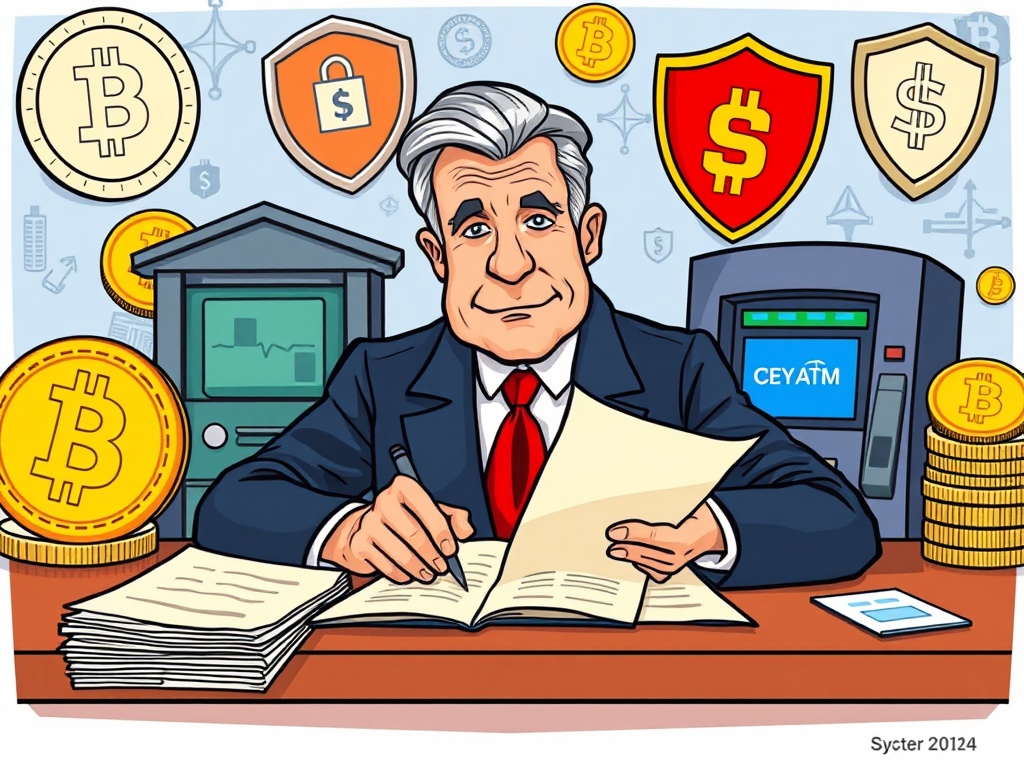
Beyond exchanges, the second bill, the Digital Asset Kiosk Act, specifically targets the growing number of crypto ATMs. These kiosks, while convenient, have sometimes been exploited for scams, leaving victims with little recourse. Illinois is now stepping up to regulate this segment, enhancing crypto consumer protections at the point of transaction.

The new regulations for crypto ATMs include:

  • Operator Registration: All crypto ATM operators must register with the state, increasing transparency.
  • Refund Obligations: Operators are now mandated to provide refunds to victims of scams facilitated through their kiosks.
  • Fee Cap: A significant measure is the 18% fee cap on transactions, preventing exorbitant charges.
  • Daily Transaction Limit: For new users, a $2,500 daily transaction limit is imposed, acting as a safeguard against large, potentially fraudulent transactions.

These measures are designed to curb illicit activities and ensure fair practices for individuals using crypto ATMs, making them a safer entry point into the digital asset world.

What Do These Crypto Consumer Protections Mean for You?

For residents of Illinois, these new laws bring a much-needed layer of security and trust to the crypto landscape. Whether you are an experienced investor or new to digital assets, you can now interact with greater confidence, knowing that specific safeguards are in place. The state’s proactive stance on crypto consumer protections serves as a model for other jurisdictions considering how to regulate this dynamic industry effectively.

Governor Pritzker emphasized that these are “common-sense protections for investors and consumers.” This legislation highlights a growing recognition among policymakers that while innovation is vital, it must be balanced with robust oversight to prevent harm. As the crypto market continues to mature, such regulatory frameworks will play a crucial role in fostering broader adoption and ensuring long-term stability.

Summary of Enhanced Security

Illinois has truly set a benchmark with its comprehensive approach to digital asset regulation. By signing the Digital Assets and Consumer Protection Act and the Digital Asset Kiosk Act, Governor Pritzker has championed significant crypto consumer protections. These laws not only provide clarity for businesses but also empower consumers with greater security, transparency, and recourse. This proactive legislative action is a testament to Illinois’ commitment to fostering a responsible and secure digital economy for everyone.

Frequently Asked Questions (FAQs)

What are the two new crypto bills signed in Illinois?

Illinois Governor JB Pritzker signed two bills: the Digital Assets and Consumer Protection Act and the Digital Asset Kiosk Act. Both aim to enhance crypto consumer protections within the state.

What does the Digital Assets and Consumer Protection Act cover?

This act grants the Illinois Department of Financial and Professional Regulation (IDFPR) authority over crypto exchanges and businesses. It requires them to maintain financial safeguards, adopt cybersecurity and anti-fraud measures, disclose investment risks, and follow customer service standards similar to traditional finance.

How does the Digital Asset Kiosk Act protect consumers?

The Digital Asset Kiosk Act regulates crypto ATMs. It mandates operator registration, requires refund obligations for scam victims, sets an 18% fee cap, and imposes a $2,500 daily transaction limit for new users.

What is the fee cap for crypto ATMs in Illinois?

The Digital Asset Kiosk Act introduces an 18% fee cap on transactions conducted at crypto ATMs in Illinois, aiming to prevent excessive charges.

Why did Illinois enact these laws?

Illinois enacted these laws to provide common-sense protections for investors and consumers in the digital asset space. The aim is to create a more secure and trustworthy environment for interacting with cryptocurrencies, addressing previous vulnerabilities and risks.

Did you find this information helpful? Share this article with your friends and on social media to spread awareness about these important new crypto consumer protections in Illinois!

To learn more about the latest crypto market trends, explore our article on key developments shaping Bitcoin price action.

This post Crucial Crypto Consumer Protections: Illinois Enacts Groundbreaking Laws first appeared on BitcoinWorld and is written by Editorial Team

Market Opportunity
Brainedge Logo
Brainedge Price(LEARN)
$0.004081
$0.004081$0.004081
-0.85%
USD
Brainedge (LEARN) Live Price Chart
Disclaimer: The articles reposted on this site are sourced from public platforms and are provided for informational purposes only. They do not necessarily reflect the views of MEXC. All rights remain with the original authors. If you believe any content infringes on third-party rights, please contact service@support.mexc.com for removal. MEXC makes no guarantees regarding the accuracy, completeness, or timeliness of the content and is not responsible for any actions taken based on the information provided. The content does not constitute financial, legal, or other professional advice, nor should it be considered a recommendation or endorsement by MEXC.
Tags:

You May Also Like

CEO Sandeep Nailwal Shared Highlights About RWA on Polygon

CEO Sandeep Nailwal Shared Highlights About RWA on Polygon

The post CEO Sandeep Nailwal Shared Highlights About RWA on Polygon appeared on BitcoinEthereumNews.com. Polygon CEO Sandeep Nailwal highlighted Polygon’s lead in global bonds, Spiko US T-Bill, and Spiko Euro T-Bill. Polygon published an X post to share that its roadmap to GigaGas was still scaling. Sentiments around POL price were last seen to be bearish. Polygon CEO Sandeep Nailwal shared key pointers from the Dune and RWA.xyz report. These pertain to highlights about RWA on Polygon. Simultaneously, Polygon underlined its roadmap towards GigaGas. Sentiments around POL price were last seen fumbling under bearish emotions. Polygon CEO Sandeep Nailwal on Polygon RWA CEO Sandeep Nailwal highlighted three key points from the Dune and RWA.xyz report. The Chief Executive of Polygon maintained that Polygon PoS was hosting RWA TVL worth $1.13 billion across 269 assets plus 2,900 holders. Nailwal confirmed from the report that RWA was happening on Polygon. The Dune and https://t.co/W6WSFlHoQF report on RWA is out and it shows that RWA is happening on Polygon. Here are a few highlights: – Leading in Global Bonds: Polygon holds 62% share of tokenized global bonds (driven by Spiko’s euro MMF and Cashlink euro issues) – Spiko U.S.… — Sandeep | CEO, Polygon Foundation (※,※) (@sandeepnailwal) September 17, 2025 The X post published by Polygon CEO Sandeep Nailwal underlined that the ecosystem was leading in global bonds by holding a 62% share of tokenized global bonds. He further highlighted that Polygon was leading with Spiko US T-Bill at approximately 29% share of TVL along with Ethereum, adding that the ecosystem had more than 50% share in the number of holders. Finally, Sandeep highlighted from the report that there was a strong adoption for Spiko Euro T-Bill with 38% share of TVL. He added that 68% of returns were on Polygon across all the chains. Polygon Roadmap to GigaGas In a different update from Polygon, the community…
Share
BitcoinEthereumNews2025/09/18 01:10
TRM Labs Becomes Unicorn with 70M$: BTC Fraud Risk

TRM Labs Becomes Unicorn with 70M$: BTC Fraud Risk

The post TRM Labs Becomes Unicorn with 70M$: BTC Fraud Risk appeared on BitcoinEthereumNews.com. TRM Labs Reaches 1 Billion Dollar Valuation Blockchain intelligence
Share
BitcoinEthereumNews2026/02/05 03:33
Bitcoin Set For ‘Promising’ Q4, Next Two Weeks Could Be Decisive

Bitcoin Set For ‘Promising’ Q4, Next Two Weeks Could Be Decisive

The post Bitcoin Set For ‘Promising’ Q4, Next Two Weeks Could Be Decisive appeared on BitcoinEthereumNews.com. Rubmar is a writer and translator who has been a crypto enthusiast for the past four years. Her goal as a writer is to create informative, complete, and easily understandable pieces accessible to those entering the crypto space. After learning about cryptocurrencies in 2019, Rubmar became curious about the world of possibilities the industry offered, quickly learning that financial freedom was at the palm of her hand with the developing technology. From a young age, Rubmar was curious about how languages work, finding special interest in wordplay and the peculiarities of dialects. Her curiosity grew as she became an avid reader in her teenage years. She explored freedom and new words through her favorite books, which shaped her view of the world. Rubmar acquired the necessary skills for in-depth research and analytical thinking at university, where she studied Literature and Linguistics. Her studies have given her a sharp perspective on several topics and allowed her to turn every stone in her investigations. In 2019, she first dipped her toes in the crypto industry when a friend introduced her to Bitcoin and cryptocurrencies, but it wasn’t until 2020 that she started to dive into the depth of the industry. As Rubmar began to understand the mechanics of the crypto sphere, she saw a new world yet to be explored. At the beginning of her crypto voyage, she discovered a new system that allowed her to have control over her finances. As a young adult of the 21st century, Rubmar has faced the challenges of the traditional banking system and the restrictions of fiat money. After the failure of her home country’s economy, the limitations of traditional finances became clear. The bureaucratic, outdated structure made her feel hopeless and powerless amid an aggressive and distorted system created by hyperinflation. However, learning about…
Share
BitcoinEthereumNews2025/09/18 23:00