

Crypto might protect you from a global debt crisis | Opinion
Disclosure: The views and opinions expressed here belong solely to the author and do not represent the views and opinions of crypto.news’ editorial.
It’s no secret: The worldwide debt is rising. The Institute of International Finance reported that global debt reached $324 trillion in the first quarter of 2025. This raises a growing fiscal concern, particularly since top economies like the United States are facing declining growth and increasing costs.
- Global debt is fueling fears of a looming financial crisis and pushing investors to seek safer, alternative assets.
- Crypto is emerging as a potential hedge, which is essential in the face of rising inflation, declining trust, and a weakening U.S. dollar.
- Bitcoin’s scarcity and decentralization make it appealing as a store of value, but its volatility, regulation risks, and security concerns mean it’s no silver bullet.
- In a shaky economy, diversification is key. And crypto may be part of your defense, but relying on it alone is a risky bet in an unpredictable world.
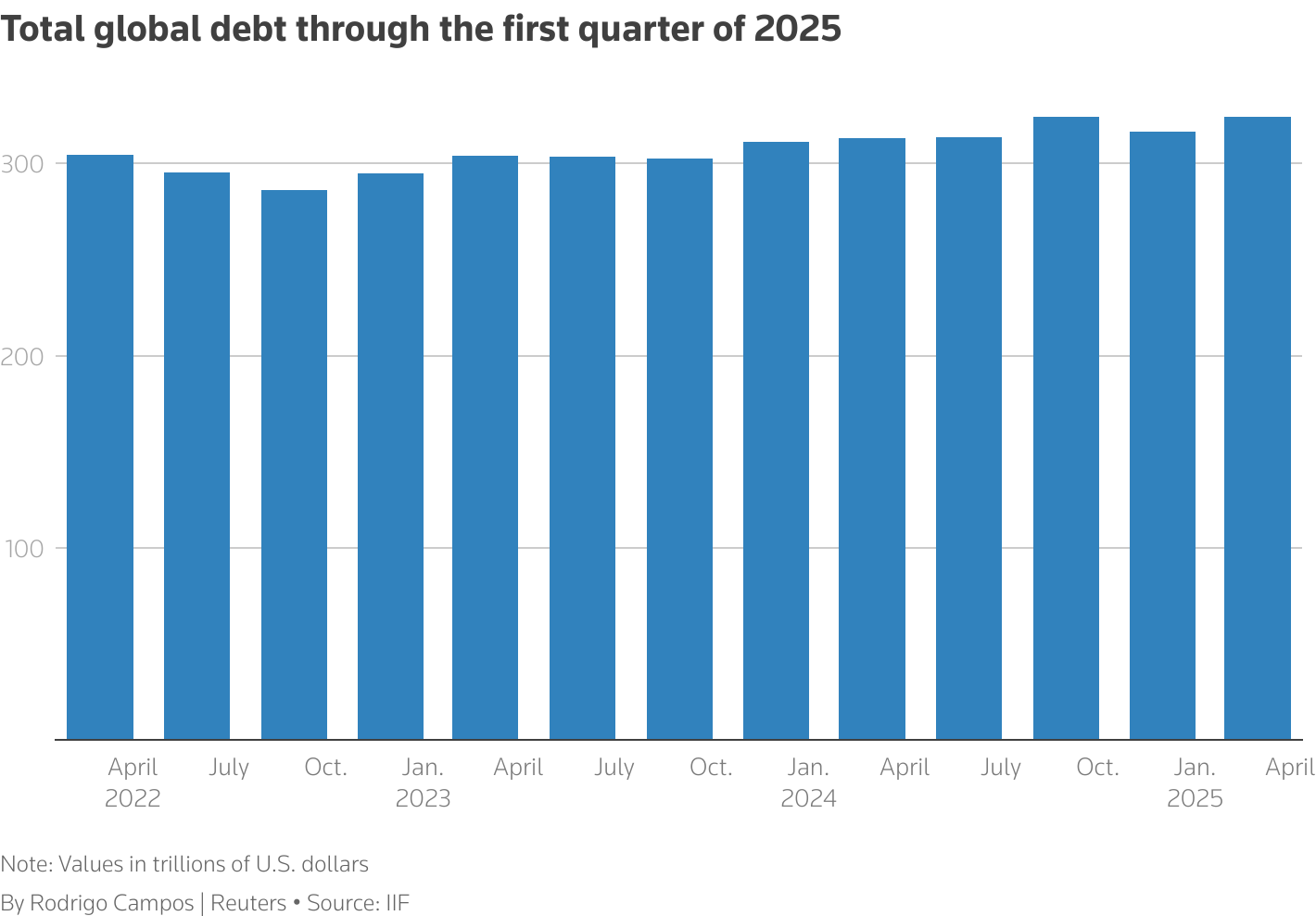
As global debt reaches an all-time high, people are seeking viable ways to protect their finances. As the traditional financial safety nets look shaky and risky, some are turning to cryptocurrency as a potential hedge.
Global debt crisis looming ahead
A debt crisis is looming ahead, starting with the U.S. as a top market, having a global financial impact. According to a new UBS survey, nearly half of central bank managers believe a U.S. debt restructuring is plausible, something previously unthinkable and impossible. However, the recently passed federal budget package could add $3.3 trillion in debt over the next decade.
Ex-Coinbase CTO Balaji Srinivasan even cites that there’s no fix for the U.S. debt, which has already begun to show. In fact, the U.S. dollar has weakened, facing an unprecedented “historic stress test.” This led the BIS General Manager, Agustín Carstens, to declare that the global economy had entered “a new era of heightened uncertainty and unpredictability.”
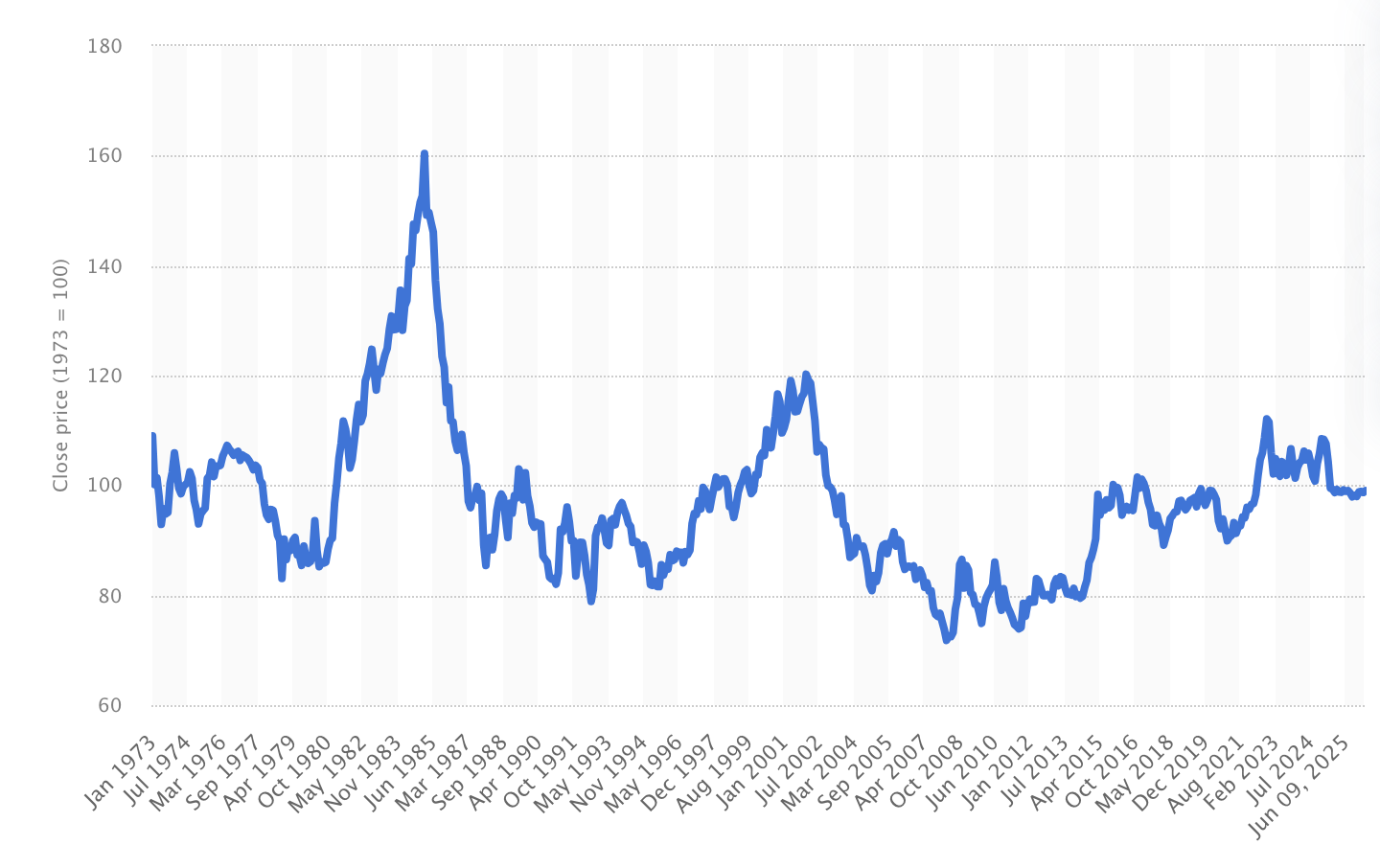
Further, inflation remains a worldwide concern in both developed and emerging markets. Some fear that too much reliance on printing money and borrowing might eventually backfire. So, a global debt crisis could potentially occur.
Crypto as a protection from financial crisis
The multichain future of global finance is inevitable due to the rapid development of blockchain technology. Financial discourse has begun to revolve around cryptocurrency as a potential protection against a worldwide debt crisis. Crypto is now seen as a ‘strategic hedge.’
Recently, Coinbase CEO Brian Armstrong issued a warning about the state of the global economy, citing a looming debt crisis in the U.S. However, he recognized the value of cryptocurrency as a means of financial protection amid soaring debt, rising inflation, and declining economic freedom. Armstrong clearly stated on X (Twitter), “The world needs crypto, now more than ever.”
According to an analysis by Analytics Insight, cryptocurrency has become a viable hedge against financial uncertainty in 2025. With sovereign debt topping $35 trillion, its appeal as a hedge has increased.
Investors have begun diversifying their portfolios beyond traditional assets into cryptocurrencies. Retail and institutional investors have started investing in digital assets, with Bitcoin (BTC) leading the way. Ethereum (ETH) and high-utility altcoins, such as Solana (SOL) and Chainlink (LINK), have also begun gaining ground.
In a fast-paced, high-stakes industry, a skilled virtual assistant can make a real impact by managing schedules, communications, research, and administrative tasks. Ultimately, they can help leaders stay focused on core crypto operations, especially as the world navigates growing economic uncertainty.
Why crypto could help and when it might fail
Since the start of 2025, there has been considerable discourse about cryptocurrency as a potential protection against a global debt crisis. Yes, crypto proves beneficial as a hedge against a worldwide fiscal problem. However, it isn’t the ultimate panacea to a debt crisis, whether on a personal or business level.
As such, it’s best to weigh the pros and cons of investing in such digital assets. Ultimately, education is key to broader crypto adoption amid a financial crisis.
Crypto as a promising hedge against a potential crisis:
- Limited supply: BTC has a fixed cap of 21 million coins, making it resistant to inflation. The scarcity of its supply is akin to gold!
- Decentralized nature: Since it operates outside traditional financial systems, crypto could provide refuge when trust in governments erodes. No central authority controls it!
- Worldwide access: Crypto operates 24/7. You can trade digital currencies at any time, as they don’t rely on banks or borders!
Crypto is often viewed as a hedge because of its limited supply and decentralized nature, especially compared to the growing supply of fiat currency. While this makes it appealing, it’s not always the first solution for individuals facing immediate financial challenges.
In places like California, for example, many find more practical support through targeted California debt relief programs. These options help manage and consolidate debt, offering a stable foundation before considering more volatile investments like crypto.
The possible risks of relying on crypto alone:
- Volatile market: Prices can swing wildly in short periods, making it risky for those needing financial stability. Its swings can negate value preservation in short-term crises.
- Security issues: Cryptocurrency is no exception to cyberattacks. As digital wallets and assets could be hacked or mismanaged, it’s imperative to tackle security risks in crypto transactions!
- Regulatory changes: Governments are still figuring out how to regulate crypto, especially stablecoins. However, the U.S. GENIUS Act was recently passed, proposing strict frameworks for stablecoins that could limit their use during a stability crunch.
Crypto’s potential as a financial haven depends on adoption and long-term value, both shaped by public interest and market trends. Still, risks like volatility, shifting regulations, and security issues remain.
To gauge crypto’s role during economic uncertainty, analysts often compare website traffic across exchanges, financial news sites, and investment platforms. This helps track sentiment and adoption by offering insight into whether crypto is gaining ground as a real alternative or just experiencing short-term hype.
Final words
The global debt crisis isn’t far-fetched from happening. That’s why people find viable solutions to protect their finances as early as possible. Can crypto protect you from a worldwide crisis? The answer: It depends!
Cryptocurrency serves as a promising hedge against financial crises because of its scarce supply, a decentralized structure, and global access. Meanwhile, relying solely on crypto poses possible risks due to its market volatility, security threats, and changing regulations.
If you’re worried about the impact of rising debt on a global scale, heed our advice: Crypto could be part of your fiscal defense strategy, but it shouldn’t be your one and only. Ultimately, financial diversification is key!

You May Also Like

MoneyGram launches stablecoin-powered app in Colombia

Solana Treasury Firm Holdings Could Double as Forward Industries Unveils $4 Billion Raise
