

Bitwise on-chain vault launches on Morpho, unlocking a groundbreaking 6% yield opportunity for DeFi

BitcoinWorld
Bitwise on-chain vault launches on Morpho, unlocking a groundbreaking 6% yield opportunity for DeFi
In a significant move for institutional decentralized finance, asset manager Bitwise has launched its first on-chain vault through the Morpho protocol, deploying USDC in overcollateralized lending markets with a target yield of up to 6%. This development, reported by The Block on April 9, 2025, signals a pivotal moment for traditional finance integration with DeFi’s core lending mechanisms. The launch represents a strategic expansion for Bitwise, a firm renowned for its cryptocurrency index funds and ETFs, into active, on-chain yield strategies. Consequently, this vault provides a regulated bridge for institutional capital seeking exposure to decentralized finance yields while managing counterparty risk through overcollateralization.
Bitwise on-chain vault marks a new DeFi chapter
The newly launched Bitwise on-chain vault operates directly on the Ethereum blockchain using the Morpho Blue protocol. Morpho Blue serves as a permissionless and efficient meta-layer for peer-to-peer lending. It allows vault creators like Bitwise to deploy capital into isolated, custom lending markets. Specifically, the Bitwise vault utilizes USDC, a fully-regulated dollar stablecoin, within these predefined markets. The protocol’s architecture requires all loans to be overcollateralized, meaning borrowers must lock crypto assets worth more than the loan value. This mechanism substantially mitigates default risk for vault depositors. Therefore, the vault offers a compelling yield target by tapping into organic borrowing demand within the DeFi ecosystem.
Jonathan Man, Head of Multi-Strategy Solutions at Bitwise, provided crucial context for the launch. He confirmed the vault’s initial focus on USDC but indicated plans for future expansion. “The vault may support other stablecoins and crypto assets in the future,” Man stated. He further elaborated on Bitwise’s broader vision, noting the firm could expand into various DeFi strategies. These potential strategies include real-world asset (RWA) tokenization and providing liquidity to decentralized exchanges (DEXs). This statement underscores a long-term commitment to building a diversified suite of on-chain products. The move aligns with a growing trend of TradFi institutions constructing modular DeFi offerings.
Institutional adoption drives DeFi lending evolution
The launch is not an isolated event but part of a larger narrative of institutional adoption in decentralized finance. Over the past two years, major asset managers and banks have progressively entered the space. They often start with custody and spot ETFs before exploring yield-generating activities. The Morpho protocol, with its focus on capital efficiency and risk isolation, has emerged as a preferred infrastructure layer for these sophisticated entrants. Its design allows institutions to create bespoke markets with specific risk parameters, a feature absent in more pooled protocols like Aave or Compound. This control is paramount for compliance and risk management teams.
The competitive landscape for institutional DeFi yield includes several key players:
- Traditional Money Markets: Offer yields around 4-5% but are subject to central bank policy and banking system risks.
- On-Chain Lending Pools (Aave/Compound): Provide variable yields but involve exposure to a shared liquidity pool and communal risk parameters.
- Morpho Blue Vaults: Enable isolated markets with tailored risk, often allowing for more competitive and stable yields through direct market creation.
Bitwise’s entry validates the latter model. It demonstrates that institutional capital demands both yield and precise risk compartmentalization. Furthermore, the 6% target yield, while subject to market conditions, is strategically positioned. It aims to be attractive compared to traditional fixed income while remaining achievable through sustainable DeFi mechanics. The vault’s performance will likely influence how other asset managers structure their own on-chain products.
Expert analysis on risk, yield, and market impact
Financial analysts highlight several critical factors behind this launch. First, the choice of overcollateralized lending is a deliberate risk-off strategy. It prioritizes capital preservation while chasing yield, a familiar approach for institutional portfolios. Second, using USDC provides a stable value denominator, avoiding the volatility of crypto-native assets like ETH for the principal. Third, the Morpho Blue framework minimizes smart contract risk by utilizing a simple, audited, and battle-tested core codebase. These technical and strategic choices collectively build a product that meets the high bar of institutional due diligence.
The potential market impact is substantial. Bitwise’s vault acts as a proof-of-concept for other regulated entities. Success could trigger a wave of similar products, increasing total value locked (TVL) in permissionless DeFi protocols. However, analysts also note challenges. The yield is not guaranteed and depends on borrowing demand. Regulatory clarity, especially regarding the treatment of on-chain yield, remains an evolving area. Despite these considerations, the launch is widely viewed as a net positive. It brings professional risk management and significant capital to the DeFi lending space, potentially increasing its liquidity and stability.
Future roadmap for Bitwise and on-chain finance
Looking ahead, Jonathan Man’s comments point to a dynamic roadmap. The expansion into other stablecoins like DAI or USDT seems a logical next step. It would diversify the vault’s base assets and tap into different borrower communities. More notably, the mention of RWA tokenization and DEX liquidity provision reveals a broader ambition. RWA strategies involve tokenizing real-world debt, like treasury bills or corporate bonds, on-chain. Providing DEX liquidity would involve supplying trading pairs to decentralized exchanges to earn fee revenue. These are more complex strategies than basic lending.
The following table contrasts the initial vault strategy with potential future avenues:
| Strategy | Asset Focus | Primary Risk | Yield Driver |
|---|---|---|---|
| Current: Overcollateralized Lending | USDC | Smart contract, borrower liquidation | Interest rates from borrowers |
| Future: RWA Tokenization | Tokenized real-world debt | Off-chain counterparty, regulatory | Interest from real-world assets |
| Future: DEX Liquidity | Various crypto asset pairs | Impermanent loss, market volatility | Trading fees from the exchange |
This phased approach allows Bitwise to build institutional comfort gradually. It starts with a relatively straightforward yield product before introducing more complex on-chain financial engineering. The success of this first vault will directly fund and justify these future explorations. Industry observers will closely monitor the vault’s uptake, yield performance, and any subsequent product announcements from Bitwise.
Conclusion
The launch of the Bitwise on-chain vault on the Morpho protocol is a landmark event in the convergence of traditional and decentralized finance. It provides a tangible, yield-generating product that leverages DeFi’s efficiency while adhering to institutional risk standards. By targeting a 6% yield through overcollateralized USDC lending, Bitwise offers a compelling value proposition. Furthermore, the stated future plans for RWA tokenization and DEX liquidity signal a deep, long-term commitment to the on-chain ecosystem. This Bitwise on-chain vault initiative, therefore, serves as both a practical investment vehicle and a strategic blueprint for the future of institutional participation in decentralized finance.
FAQs
Q1: What is the Bitwise on-chain vault?
The Bitwise on-chain vault is a new decentralized finance (DeFi) product launched by asset manager Bitwise on the Morpho Blue protocol. It allows investors to deposit USDC into overcollateralized lending markets with the goal of earning a yield, currently targeted at up to 6%.
Q2: How does the vault generate yield?
The vault generates yield by lending deposited USDC to borrowers on the Morpho protocol. These borrowers must post crypto collateral worth more than the loan value (overcollateralization). The interest paid by these borrowers, after protocol fees, creates the yield for vault depositors.
Q3: What are the main risks of using this vault?
The primary risks include smart contract risk (bugs in the Morpho or vault code), the risk that borrowers’ collateral is liquidated at unfavorable prices, and the variable nature of the yield, which depends on borrowing demand. The vault uses overcollateralization to significantly reduce default risk.
Q4: How is this different from a traditional savings account?
Unlike a bank savings account, this is a non-custodial, on-chain product. The yield is determined by decentralized market forces, not a central bank. It also involves different risk profiles, including exposure to blockchain technology and crypto asset collateral, but aims to offer a potentially higher return.
Q5: What does Bitwise plan to do next in DeFi?
According to Bitwise’s Jonathan Man, the firm may expand the vault to support other stablecoins and crypto assets. They are also exploring future DeFi strategies like real-world asset (RWA) tokenization and providing liquidity to decentralized exchanges (DEXs).
This post Bitwise on-chain vault launches on Morpho, unlocking a groundbreaking 6% yield opportunity for DeFi first appeared on BitcoinWorld.
You May Also Like

Three dormant wallets, suspected to belong to the same entity, purchased 5,970 ETH eight hours ago.
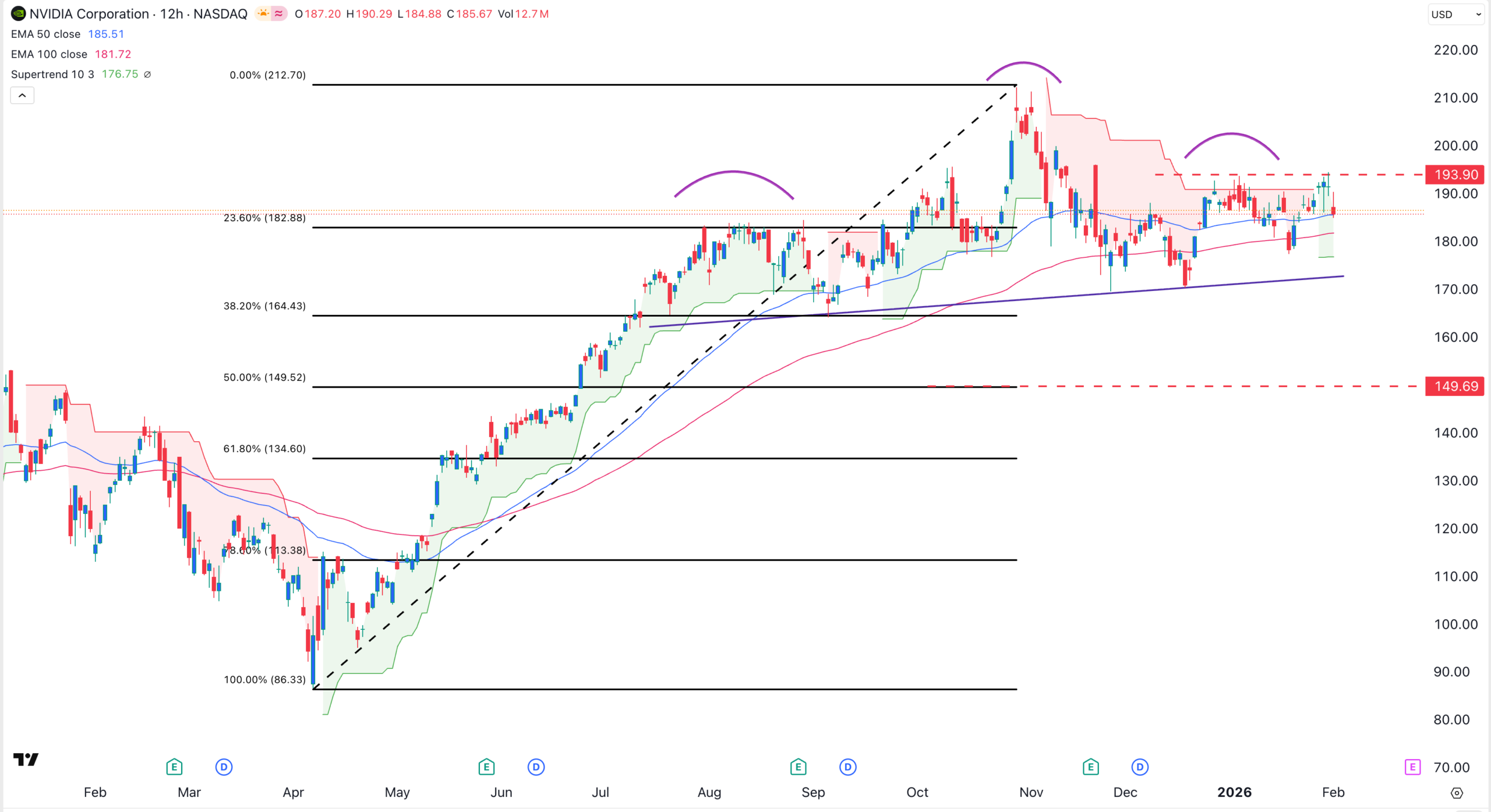
NVIDIA Stock Price Analysis as OpenAI Issues Concerns About its Chips
