

Circle Files for Trademarks in South Korea: A Strategic Masterstroke for USDC Dominance
BitcoinWorld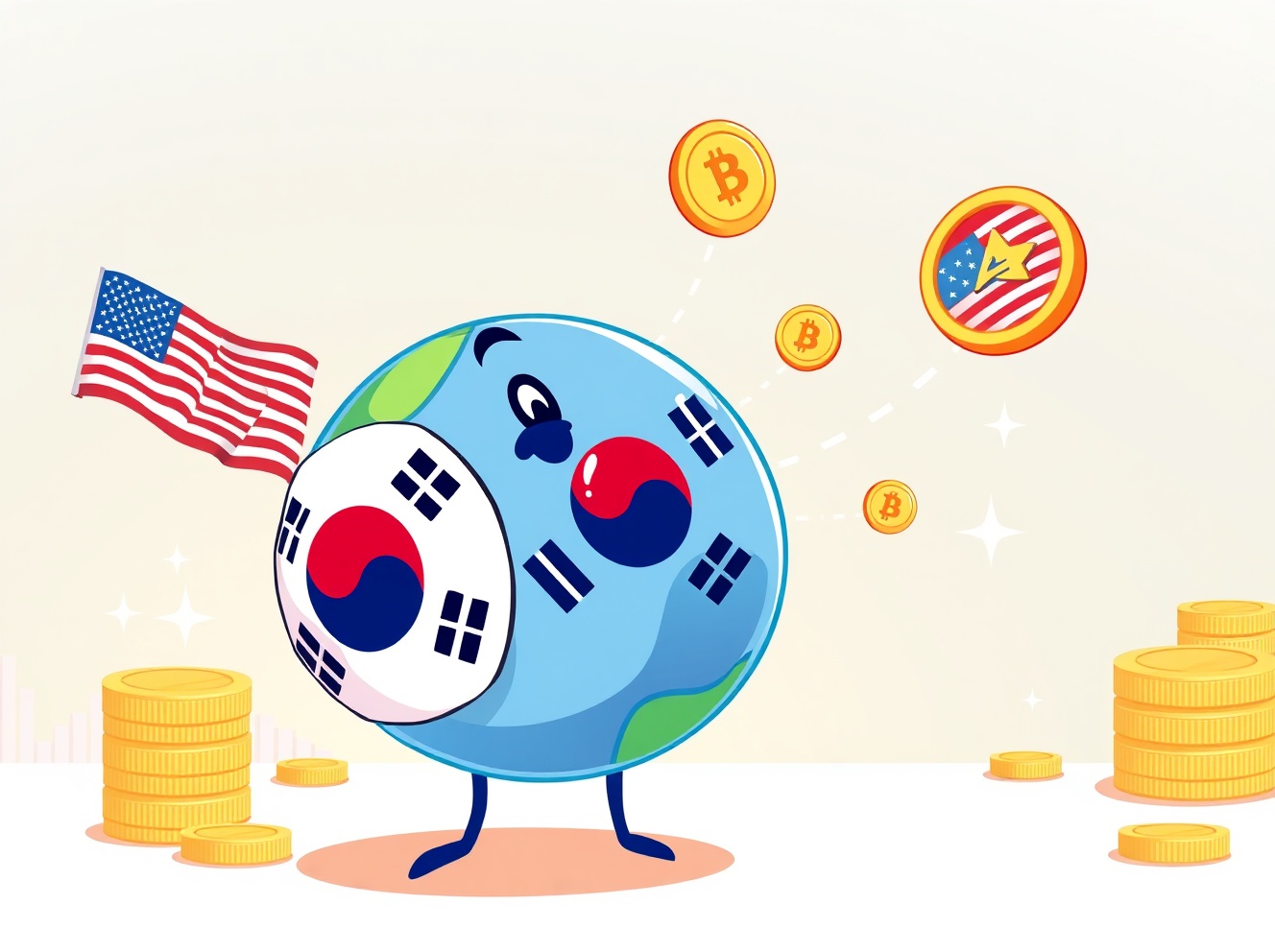
Circle Files for Trademarks in South Korea: A Strategic Masterstroke for USDC Dominance
In a decisive move that underscores its global ambitions, Circle, the powerhouse behind the USDC stablecoin, has officially filed for trademarks in South Korea. This action, discovered through filings in mid-December, is more than just paperwork—it’s a clear signal of intent to capture a pivotal market. For anyone tracking the evolution of digital finance, this development is a crucial indicator of where institutional crypto is headed next.
Why is Circle Filing Trademarks in South Korea a Big Deal?
When a company like Circle files for trademarks, it’s laying the legal groundwork for serious, long-term operations. The applications, submitted on December 11th and 12th for the names CIRCLE, USDC, EURC, and its iconic arc logo, protect its brand identity. This step is essential before launching local services, marketing campaigns, or forming partnerships. For the crypto-savvy and highly regulated South Korean market, this move suggests Circle is preparing to engage directly with consumers and businesses, rather than operating from afar.
What Does This Mean for the USDC Stablecoin in Asia?
South Korea is a titan in the crypto world, known for its high retail adoption and sophisticated trading community. By securing its trademarks, Circle positions USDC to compete directly with other stablecoins and traditional payment rails in the region. This strategic expansion offers several key benefits:
- Regulatory Clarity: Filing trademarks is often a precursor to engaging with local financial authorities, paving the way for compliant services.
- Enhanced Trust: A formal, protected presence builds credibility with Korean users and institutions.
- Market Access: It opens doors to integrations with Korean exchanges, wallets, and DeFi protocols.
Therefore, this isn’t just an administrative task; it’s a calculated play for greater market share in a critical geographic arena.
How Does This Move Fit Into Circle’s Global Strategy?
Circle’s decision to file for trademarks in South Korea is a logical piece of its worldwide puzzle. The company has consistently worked to make USDC a reliable dollar digital currency for the internet. Establishing a fortified presence in a major economy like South Korea aligns with its mission of bridging traditional finance and blockchain technology. Moreover, it puts competitive pressure on rivals and demonstrates to the global market that stablecoin issuers are building for the future, not just the present.
What Are the Potential Challenges and Opportunities?
While the opportunity is immense, the path isn’t without hurdles. South Korea’s regulatory environment for crypto assets is strict and evolving. Circle will need to navigate these rules carefully. However, the potential rewards are significant. A successful entry could lead to:
- Mass adoption of USDC for remittances and cross-border trade in East Asia.
- Stronger alliances with Korean tech and finance giants.
- A blueprint for expansion into other regulated Asian markets.
In essence, this trademark filing is the first domino. If it falls correctly, it could trigger a wave of growth for Circle and the broader stablecoin ecosystem.
Conclusion: A Defining Step for Stablecoin Adoption
Circle’s action to file for trademarks in South Korea is a masterstroke of strategic planning. It moves beyond speculation and into the tangible realm of international business and finance. This step provides a compelling glimpse into a future where digital dollars like USDC operate seamlessly across borders, powered by clear legal frameworks and strong brand trust. For the crypto industry, it’s a powerful reminder that lasting adoption is built on foundations of compliance and deliberate expansion.
Frequently Asked Questions (FAQs)
Q1: What exactly did Circle file for in South Korea?
A1: Circle Internet Group filed trademark applications for its company name “CIRCLE,” its stablecoin brands “USDC” and “EURC,” and its distinctive arc logo with the Korean Intellectual Property Office.
Q2: Why is South Korea such an important market for crypto?
A2: South Korea has one of the world’s most active and technologically advanced cryptocurrency user bases, with high retail participation and a strong interest in digital asset innovation, making it a critical market for any global crypto firm.
Q3: Does this mean USDC will immediately be available in South Korea?
A3: Not immediately. Filing trademarks is a preparatory legal step. Full availability will depend on subsequent regulatory approvals, partnership formations, and product launches tailored to the local market.
Q4: How does this affect other stablecoins like USDT?
A4: It increases competition. A formal, trademark-protected presence by Circle could encourage more Korean platforms and users to adopt USDC, potentially challenging Tether’s (USDT) market share in the region.
Q5: What is the significance of filing for the EURC trademark as well?
A5: It indicates Circle’s plan to offer its euro-backed stablecoin in South Korea too, catering to users and businesses with euro exposure and diversifying its product offering beyond the US dollar.
Q6: What should investors and users watch for next?
A6: Key next steps include announcements of partnerships with Korean exchanges or fintech firms, regulatory licenses, and the official launch of localized Circle services or marketing campaigns in the country.
Found this analysis of Circle’s strategic expansion insightful? The move to secure its trademarks in a major market like South Korea is a game-changer for stablecoin adoption. Help others understand this pivotal development by sharing this article on your social media channels like Twitter or LinkedIn!
To learn more about the latest stablecoin trends, explore our article on key developments shaping the future of global digital payments and institutional adoption.
This post Circle Files for Trademarks in South Korea: A Strategic Masterstroke for USDC Dominance first appeared on BitcoinWorld.
You May Also Like

“Oversold” Solana Mirroring Previous Bottoms
XRP Takes Hit as Whales Sell 1 Billion Coins, But Pro-Ripple Attorney Says XRP Will ‘Shock the World in 2026’
