

Digital Euro Breakthrough: EU Council Greenlights Revolutionary Online and Offline Design
BitcoinWorld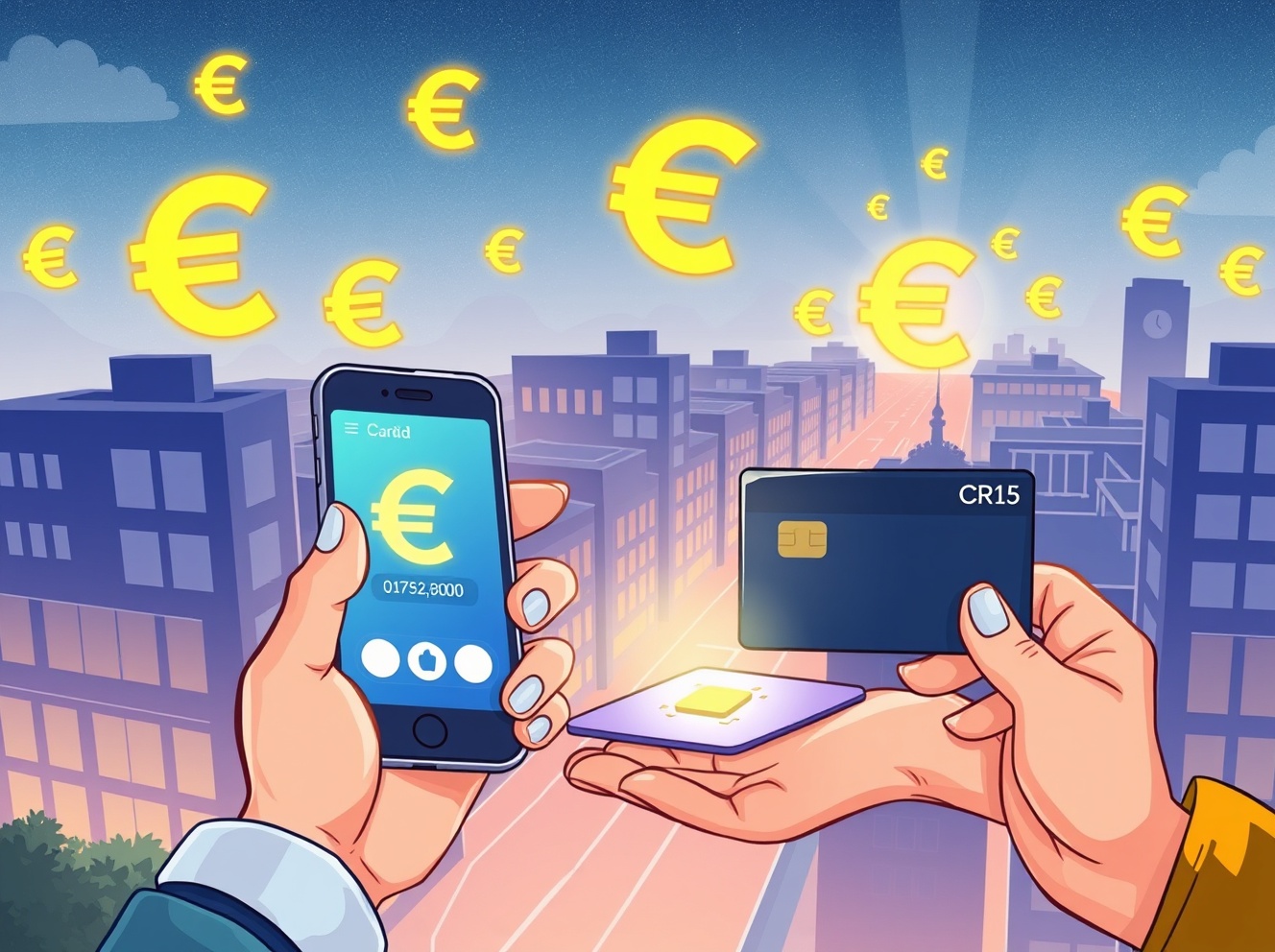
Digital Euro Breakthrough: EU Council Greenlights Revolutionary Online and Offline Design
Europe just took a monumental step toward reshaping its financial landscape. The Council of the European Union has officially approved the European Central Bank’s design proposal for a digital euro. This isn’t just another cryptocurrency story—it’s a carefully planned move to create a central bank digital currency (CBDC) that works both online and, uniquely, offline. For anyone following the future of money, this approval marks a pivotal moment with profound implications for privacy, security, and everyday spending across the bloc.
What Exactly Did the EU Council Approve?
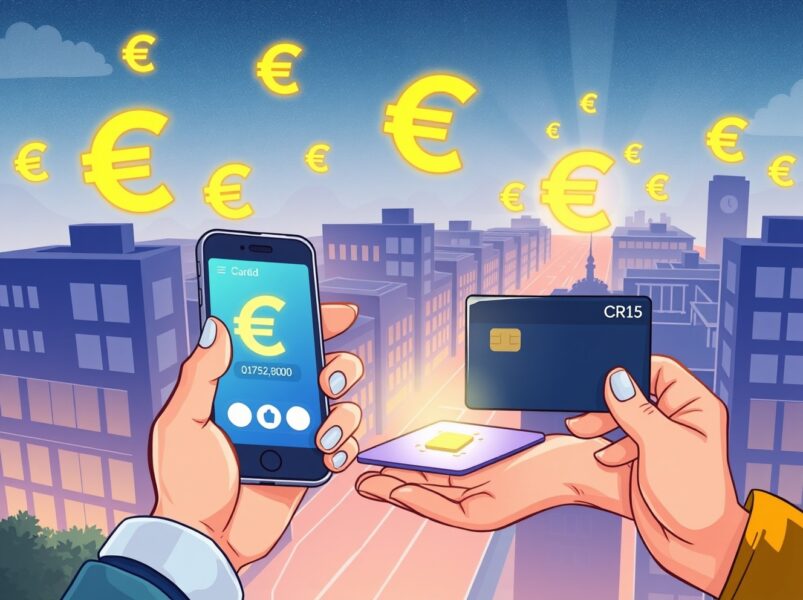
The green light from the EU Council gives the European Central Bank (ECB) the mandate to proceed with a two-tiered digital euro system. The approved design features two distinct versions: one for online use and one for offline transactions. This dual approach aims to combine the convenience of digital payments with the fundamental need for financial inclusion and privacy. The offline version, in particular, is a standout feature designed to let users exchange value directly between devices, like smartphones or cards, without an internet connection. This approval is the culmination of years of research and places the Eurozone at the forefront of the global CBDC race.
How Will the Offline Digital Euro Protect Your Privacy?
Privacy stands as the cornerstone of the offline digital euro proposal. Here’s how it intends to work:
- Peer-to-Peer Transactions: When you use the offline version, the transaction data is exchanged directly between the payer and payee’s devices.
- No Third-Party Intermediaries: Unlike online bank transfers or card payments, these offline transactions would not be instantly visible to banks, payment processors, or the ECB during the exchange.
- Enhanced Confidentiality: This design mimics the privacy of cash, giving users more control over their payment information.
However, it’s crucial to understand that complete anonymity is not the goal. Authorities would likely have access to transaction data for legal purposes, such as combating money laundering, but the offline feature significantly reduces routine surveillance.
What Are the Security Risks of an Offline Digital Currency?
While the privacy benefits are clear, security experts have raised valid concerns. Introducing an offline payment system for a sovereign currency creates new attack vectors that must be addressed. The primary worry centers on a threat known as a “relay attack.” In this scenario, a malicious actor could potentially intercept or duplicate the communication between two devices during a transaction, leading to theft or double-spending. The ECB and EU lawmakers now face the critical challenge of engineering robust safeguards, such as advanced encryption and secure hardware elements, to make the offline digital euro as secure as the physical cash it aims to complement.
When Can We Expect to Use the Digital Euro?
The Council’s approval is a major regulatory milestone, but it’s not the finish line. The journey toward a live digital euro involves several more phases. Next, the ECB will enter a “preparation phase,” which involves developing the necessary infrastructure, conducting extensive testing, and finalizing the legal framework. A formal decision on whether to actually issue the currency will come later, likely after a pilot program. Therefore, while the design is approved, Europeans should not expect to see a digital euro in their digital wallets for at least a few more years.
Why Does This Matter for the Future of Finance?
This move is about more than just modernizing payments. The digital euro represents a strategic effort by European institutions to maintain monetary sovereignty in an increasingly digital world. It aims to:
- Provide a secure, public alternative to private payment systems and stablecoins.
- Ensure the euro remains relevant and competitive globally.
- Promote financial inclusion by offering a payment method accessible to all citizens.
The offline capability is a masterstroke for inclusivity, ensuring people in areas with poor connectivity or those who prefer not to use online banking can still participate in the digital economy.
Conclusion: A Cautious Step Into a Digital Monetary Future
The EU Council’s approval of the digital euro design is a landmark decision that balances innovation with caution. By championing an offline version, Europe is prioritizing user privacy and accessibility in a way few other CBDC projects have. However, the path forward is laden with technical and security hurdles that must be overcome to earn public trust. This isn’t just a new payment app; it’s a foundational shift in how one of the world’s largest economies conceptualizes money. The success of the digital euro will depend on its ability to be as private as cash, as secure as a vault, and as easy to use as a tap.
Frequently Asked Questions (FAQs)
Is the digital euro a cryptocurrency like Bitcoin?
No, it is fundamentally different. The digital euro is a central bank digital currency (CBDC), meaning it is a digital form of existing euro banknotes issued and backed by the European Central Bank. Unlike decentralized cryptocurrencies, its value is stable and it is centrally regulated.
Will the digital euro replace physical cash?
The ECB has repeatedly stated that the digital euro is intended to complement, not replace, physical cash. Both forms of currency will coexist, giving people more choice in how they pay.
How private will my transactions really be?
The offline version offers a higher degree of privacy for individual transactions, as data isn’t immediately shared with intermediaries. However, for anti-money laundering purposes, authorities will have mechanisms to access data under specific legal conditions. It offers more privacy than a credit card but likely less than anonymous cash.
What stops someone from hacking the offline digital euro?
This is the core security challenge. The ECB plans to use state-of-the-art encryption and secure hardware (like specialized chips in phones or cards) to protect against attacks. The system’s design and ongoing security audits will be critical to preventing theft and fraud.
Can I use the digital euro outside the Eurozone?
Initial designs focus on use within the Eurozone. For cross-border payments, the system would need to interoperate with other countries’ payment infrastructures, which is a complex challenge for future development.
Will there be limits on how much digital euro I can hold?
Most likely, yes. To prevent large-scale shifts of deposits from commercial banks to the central bank (which could destabilize the financial system), policymakers are considering holding limits for individuals, such as a few thousand euros.
Found this breakdown of the EU’s digital euro pivotal? Help others understand this major financial shift by sharing this article on your social media channels. The conversation about the future of money is just beginning, and your share can spark insightful discussion among friends and followers.
To learn more about the latest trends in central bank digital currencies, explore our article on key developments shaping the global race for digital sovereign currency and its potential impact on traditional finance.
This post Digital Euro Breakthrough: EU Council Greenlights Revolutionary Online and Offline Design first appeared on BitcoinWorld.
You May Also Like

“Oversold” Solana Mirroring Previous Bottoms

XRP Takes Hit as Whales Sell 1 Billion Coins, But Pro-Ripple Attorney Says XRP Will ‘Shock the World in 2026’
