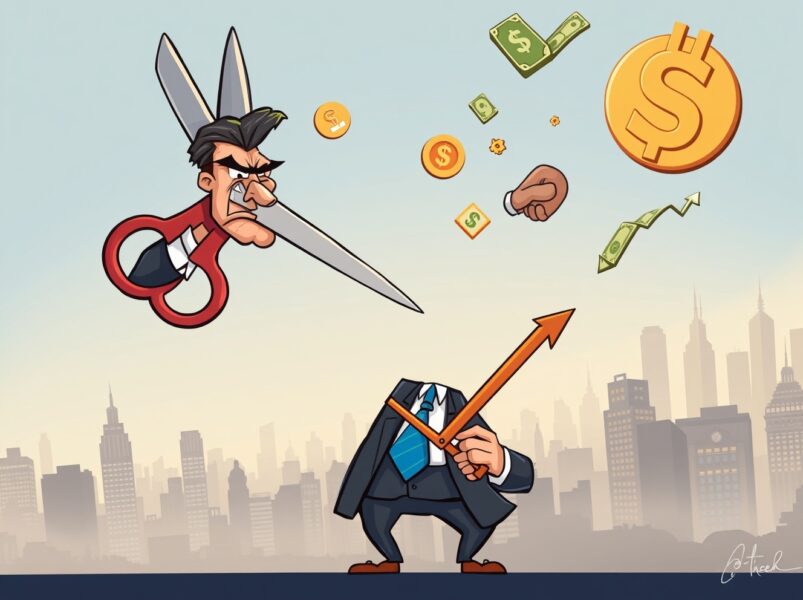
THE PHILIPPINES is haunted — not by spirits, but by the ghosts of warnings ignored and promises broken. For decades, scientists and global institutions sounded THE PHILIPPINES is haunted — not by spirits, but by the ghosts of warnings ignored and promises broken. For decades, scientists and global institutions sounded

Ghosts we have to face: An introduction to the trilogy

(First of three parts)

THE PHILIPPINES is haunted — not by spirits, but by the ghosts of warnings ignored and promises broken. For decades, scientists and global institutions sounded the alarm: climate change would bring stronger storms, rising seas, and catastrophic floods. The United Nations (UN) and the Intergovernmental Panel on Climate Change (IPCC) urged nations to act, emphasizing that developing countries like the Philippines must prioritize adaptation.

Yet here we are, facing the same devastation year after year. Why? Because adaptation — the shield that could have saved lives — remains weak, underfunded, and often lost in the maze of bureaucracy and corruption.

“Ghosts We Have to Face” is a trilogy about these failures. It is about the signs we saw, the commitments we made, and the reality we now endure. It is about ghost projects — flood control systems that exist only on paper — and the haunting truth that the government has failed to protect its people.

This series unfolds in three acts:

1. The Warning of Climate Change – How decades-old alarms from the UN and IPCC foretold the crisis we now face.

2. The Ghosts We Live With – A haunting look at recent typhoons like Uwan and Tino, and the phantom flood control projects that never came to life.

3. The Help; The Demand – The urgent call for accountability, climate justice, and a shift from reactive recovery to proactive resilience — ending the political tug-of-war, the civil war of priorities, and the drama that only benefits those in power.

PART 1: WARNING OF CLIMATE CHANGE
“There will be floods, one after another. Be prepared.”

For decades, the world warned us. Scientists, the United Nations, and the IPCC sounded the alarm: climate change would bring stronger storms, rising seas, and catastrophic floods. The message was clear — prepare now, or pay later. Yet here we are, still drowning in the same cycle of devastation.

In 1988, the United Nations created the Intergovernmental Panel on Climate Change (IPCC). Its first report in 1990 warned that unchecked greenhouse gas emissions would lead to rising seas, stronger storms, and irreversible damage. By 2007, the IPCC declared climate change “unequivocal,” predicting that Southeast Asia would suffer more intense typhoons and flooding.

The Philippines was repeatedly named among the most vulnerable nations. Our geography — on the typhoon belt, the Pacific Ring of Fire, and with low-lying coastlines — made us a prime target. Yet, despite these warnings, adaptation planning remained slow, fragmented, and underfunded. Government agencies acknowledged the threat — but acknowledgement without action is negligence.

NUMBERS BEHIND THE WARNINGS
• 30+ years of warnings: IPCC reports since 1990 have consistently flagged Southeast Asia as high-risk.

• 20 typhoons per year: on average, the Philippines experiences 20 tropical cyclones annually, with five to seven making landfall (Pagasa Annual Report).

• 6,300 lives lost: Typhoon Yolanda (Haiyan) in 2013 killed 6,300 people and caused P95 billion in damages.

• P1.3-trillion economic loss: Between 2010 and 2020, climate-related disasters cost the Philippines P1.3 trillion in damages.

With these past events, can’t we say these warnings should have been enough?

THE PREPARATION
We said we would prepare. We signed the Paris Agreement in 2015, pledging to cut emissions and build resilience. We created the Climate Change Commission in 2009 under the Climate Change Act. We drafted the National Climate Change Action Plan in 2011. We accessed climate funds. We promised flood-control systems, early warning systems, and resilient infrastructure.

On paper, it looked like progress. In reality it was a patchwork of plans, delays, and ghost projects — initiatives that existed only in reports, not in communities.

As UN Special Rapporteur Ian Fry noted after his visit to the Philippines, “Despite numerous policies, the government is still coming up short in implementing these laws… It is without doubt that the Philippines is one of the most vulnerable countries to the impacts of climate change.”

THE ASSESSMENT
Were we really ready? Typhoon Yolanda killed over 6,000 people in 2013. Typhoon Ulysses submerged Metro Manila in 2020, displacing 1.7 million Filipinos. Each disaster exposed the truth: our preparations were not enough. Many projects were unfinished or abandoned. Coordination among agencies was poor. Local governments lacked technical capacity. Corruption eroded trust.

The science existed. The policies existed. The action did not.

THE ECONOMIC AND HUMAN COST
The World Bank’s Climate and Development Report (2022) warns that climate shocks — whether sudden typhoons or slow-onset trends like rising seas — will cripple economic activity, damage infrastructure, and deepen social disruption.

Current annual losses from typhoons already reach 1.2% of GDP, spiking to 4.6% in extreme cases like Yolanda. Without decisive action, damages could soar to 7.6% of GDP by 2030 and 13.6% by 2040.

Temperatures have risen 0.68°C since 1951, and projections show an increase of 1-2°C by 2100, bringing stronger storms and unpredictable rainfall. Yet, institutional fragmentation and weak local government capacity remain major barriers to effective climate action.

Now, the question haunts us: Can we fix this? Can the Philippines still rebuild resilience — or is it too late? Every peso spent on rebuilding what could have been prevented is a peso stolen from the future. The ghosts of past warnings demand an answer.

THE HARD TRUTH
The Philippines is not failing because of ignorance. We knew. We were warned. We signed agreements. We created agencies. Yet, decades later, we face the same floods, the same deaths, the same despair.

Why? Because climate action has been trapped in a political tug-of-war — a civil war of priorities — a drama that only benefits those in power. While leaders argue, communities drown. While budgets are politicized, families lose homes. This is not just inefficiency; it is injustice.

The ghosts of past warnings haunt us because our leaders chose short-term politics over long-term survival.

THE FINAL CRY
Now, we need to answer the cries of future generations who will inherit this problem. Who is to blame? Silence is complicity. Accountability is not negotiable — it is a moral imperative. Someone must answer for decades of broken promises and ghost projects. If no one is held responsible, then the cycle of disaster will never end.

If warnings become ghosts, what happens when broken promises turn into graves? We’ll unearth that in the second part of the trilogy.

(To be continued.)

Lucky Wilmar L. Cimatu is the senior managing consultant for the Advisory Services Practice Area at P&A Grant Thornton, one of the leading audit, tax, advisory, and outsourcing firms in the Philippines.

business.development@ph.gt.com

www.grantthornton.com.ph

Market Opportunity
Notcoin Logo
Notcoin Price(NOT)
$0.0005245
$0.0005245$0.0005245
-3.08%
USD
Notcoin (NOT) Live Price Chart
Disclaimer: The articles reposted on this site are sourced from public platforms and are provided for informational purposes only. They do not necessarily reflect the views of MEXC. All rights remain with the original authors. If you believe any content infringes on third-party rights, please contact service@support.mexc.com for removal. MEXC makes no guarantees regarding the accuracy, completeness, or timeliness of the content and is not responsible for any actions taken based on the information provided. The content does not constitute financial, legal, or other professional advice, nor should it be considered a recommendation or endorsement by MEXC.

You May Also Like

Crucial Insights: Two Fed Interest Rate Cuts on the Horizon?
Crucial Insights: Two Fed Interest Rate Cuts on the Horizon?

BitcoinWorld Crucial Insights: Two Fed Interest Rate Cuts on the Horizon? The financial world is buzzing with discussions around the future of monetary policy, and a recent statement from a key Federal Reserve official has added fuel to the fire. Investors, businesses, and consumers alike are keenly watching for signals regarding potential Fed interest rate cuts and their broader economic implications. What’s Driving Talk of Fed Interest Rate Cuts? Neel Kashkari, the president of the Minneapolis Federal Reserve Bank, recently made headlines by stating his belief that two additional Fed interest rate cuts would be appropriate this year. This isn’t the first time Kashkari has shared this perspective; he expressed a similar view back in August. His comments offer a glimpse into the ongoing internal debates and varying outlooks among policymakers regarding the optimal path for the nation’s economy. Understanding the context behind such statements is crucial. The Federal Reserve uses interest rates as a primary tool to manage inflation and support employment. When inflation is high, the Fed typically raises rates to cool down economic activity. Conversely, when economic growth slows or inflation targets are met, the Fed might consider cutting rates to stimulate spending and investment. How Do Fed Interest Rate Cuts Impact You? The prospect of Fed interest rate cuts carries significant weight for everyone. For instance, lower interest rates generally translate to: Cheaper Borrowing: Mortgages, car loans, and credit card interest rates can decrease, making it more affordable for consumers to borrow money. This can encourage home buying and larger purchases. Business Investment: Companies find it less expensive to borrow for expansion, new projects, and hiring, potentially boosting economic growth and job creation. Stock Market Performance: Lower rates can make bonds less attractive, pushing investors towards stocks, which might see increased valuations. This can also signal a more optimistic economic outlook. Savings Account Returns: On the flip side, interest rates on savings accounts and Certificates of Deposit (CDs) might also fall, offering lower returns for savers. These ripple effects touch various sectors, from housing to retail, and even extend into the cryptocurrency markets, where investor sentiment is often influenced by broader economic conditions and liquidity. Navigating the Economic Landscape: Why Are Policymakers Divided on Fed Interest Rate Cuts? While some policymakers, like Kashkari, see the appropriateness of multiple Fed interest rate cuts, others may hold different views. The Federal Reserve’s decisions are complex, balancing the need to control inflation with the goal of maintaining maximum employment. Key factors influencing these decisions include: Inflation Data: The pace at which inflation is returning to the Fed’s 2% target is a primary concern. Sustained progress is needed. Employment Figures: A strong job market might give the Fed more leeway to keep rates higher for longer, whereas signs of weakness could prompt cuts. Global Economic Conditions: International economic trends and geopolitical events can also influence the Fed’s domestic policy decisions. Market Expectations: The Fed also considers how financial markets are pricing in future rate movements, aiming to avoid undue volatility. The path forward is rarely straightforward, and the Fed’s approach is often described as data-dependent, meaning decisions can shift as new economic information becomes available. The Outlook for Future Fed Interest Rate Cuts Kashkari’s consistent view on two Fed interest rate cuts this year provides an important perspective, but it’s essential to remember that he is one voice among many on the Federal Open Market Committee (FOMC). The committee as a whole determines monetary policy through a consensus-driven process. As the year progresses, market participants will be closely monitoring upcoming inflation reports, employment data, and official Fed statements for further clarity. The timing and magnitude of any potential rate adjustments will significantly shape the economic environment, influencing everything from investment strategies to everyday household budgets. In summary: Neel Kashkari’s consistent advocacy for two Fed interest rate cuts this year highlights a potential shift in monetary policy. These cuts, if they materialize, could offer relief to borrowers, stimulate economic activity, and impact various markets. However, the ultimate decision rests with the broader Federal Reserve committee, which weighs a multitude of economic indicators before acting. Frequently Asked Questions (FAQs) Q1: What does it mean when the Fed cuts interest rates? When the Federal Reserve cuts interest rates, it generally means they are reducing the cost for banks to borrow money. This, in turn, often leads to lower interest rates for consumers and businesses on loans like mortgages, car loans, and credit cards, aiming to stimulate economic activity. Q2: Why would the Fed consider two Fed interest rate cuts this year? The Fed might consider two interest rate cuts if they believe inflation is consistently moving towards their 2% target, or if there are signs of slowing economic growth that could benefit from stimulation. Policymakers like Kashkari may feel the current rates are too restrictive given the economic outlook. Q3: How quickly do Fed interest rate cuts affect the economy? The effects of Fed interest rate cuts can be seen relatively quickly in financial markets, but they typically take several months to fully filter through to the broader economy, impacting consumer spending, business investment, and inflation. Q4: Will Fed interest rate cuts impact my cryptocurrency investments? While not a direct impact, Fed interest rate cuts can indirectly affect cryptocurrency markets. Lower traditional interest rates might make riskier assets like cryptocurrencies more attractive to investors seeking higher returns. Additionally, a more liquid and stimulated economy can sometimes boost overall market sentiment, benefiting crypto assets. Q5: Who is Neel Kashkari? Neel Kashkari is the president of the Federal Reserve Bank of Minneapolis. He is one of the twelve regional Federal Reserve Bank presidents who contribute to the Federal Open Market Committee (FOMC) discussions, which set the nation’s monetary policy. Did you find this article insightful? Share your thoughts and help others understand the potential impact of future Fed decisions! You can share this article on your favorite social media platforms. To learn more about the latest crypto market trends, explore our article on key developments shaping Bitcoin price action. This post Crucial Insights: Two Fed Interest Rate Cuts on the Horizon? first appeared on BitcoinWorld.
Share
Coinstats2025/09/19 19:35
US Senators Introduce SAFE Crypto Act to Target Rising Crypto Scams

US Senators Introduce SAFE Crypto Act to Target Rising Crypto Scams

The post US Senators Introduce SAFE Crypto Act to Target Rising Crypto Scams appeared first on Coinpedia Fintech News Crypto scams are getting faster, smarter and
Share
CoinPedia2025/12/17 18:33
Crypto.com Data Leak Revealed: Hidden Attack Exposed by Bloomberg

Crypto.com Data Leak Revealed: Hidden Attack Exposed by Bloomberg

Bloomberg exposes Crypto.com’s 2023 user data leak. The perpetrators used phishing to access employee accounts, compromising privacy. A data breach that occurred in 2023 at Crypto.com compromised the personal information of its users, according to a disclosure by Bloomberg.  The hacking was planned by a well-known hacker organization known as Scattered Spider.  This team was […] The post Crypto.com Data Leak Revealed: Hidden Attack Exposed by Bloomberg appeared first on Live Bitcoin News.
Share
LiveBitcoinNews2025/09/23 03:00