

Canton Network’s Masterstroke: How RedStone Oracles Unlock a $6 Trillion RWA Ecosystem
BitcoinWorld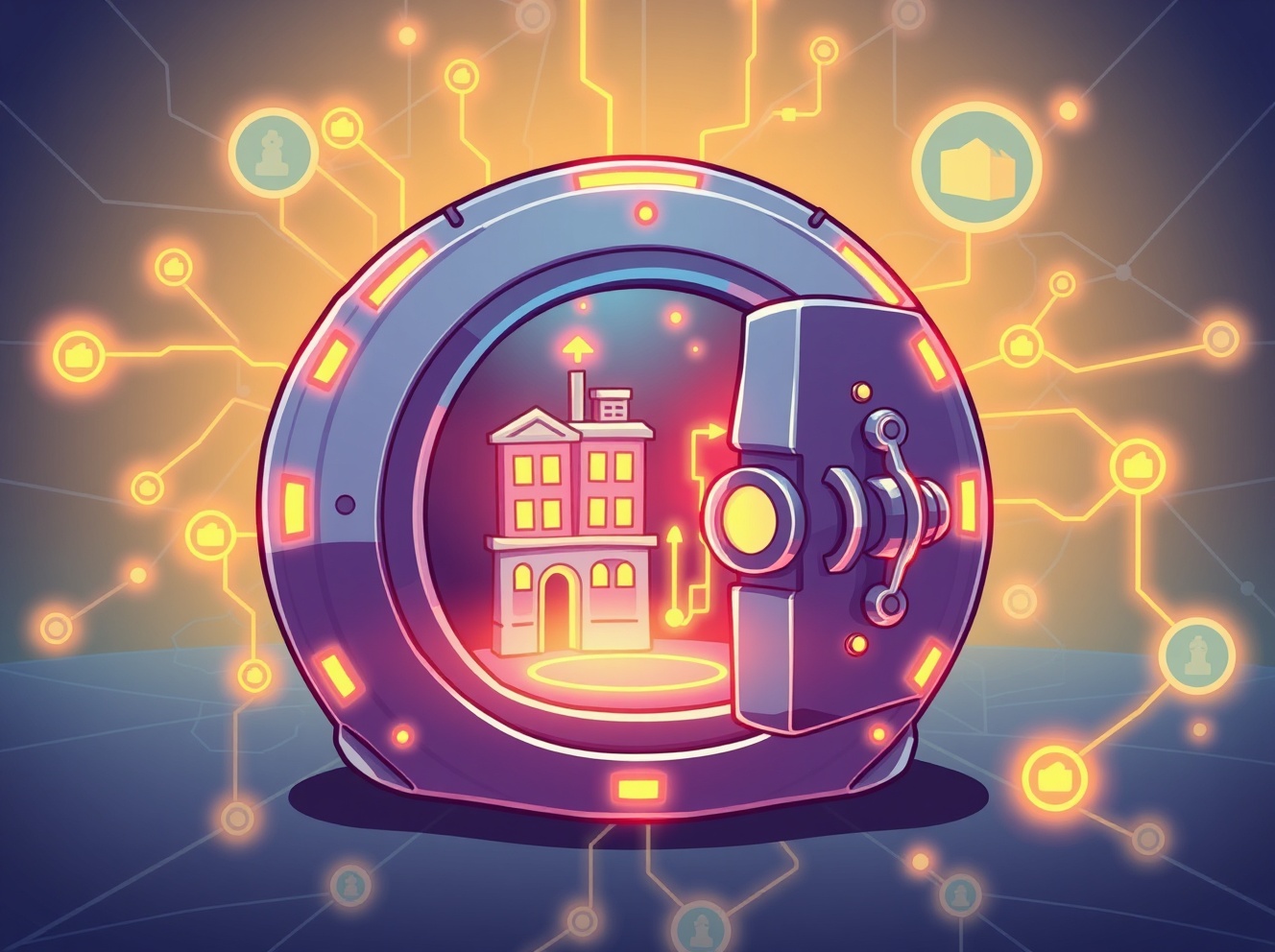
Canton Network’s Masterstroke: How RedStone Oracles Unlock a $6 Trillion RWA Ecosystem
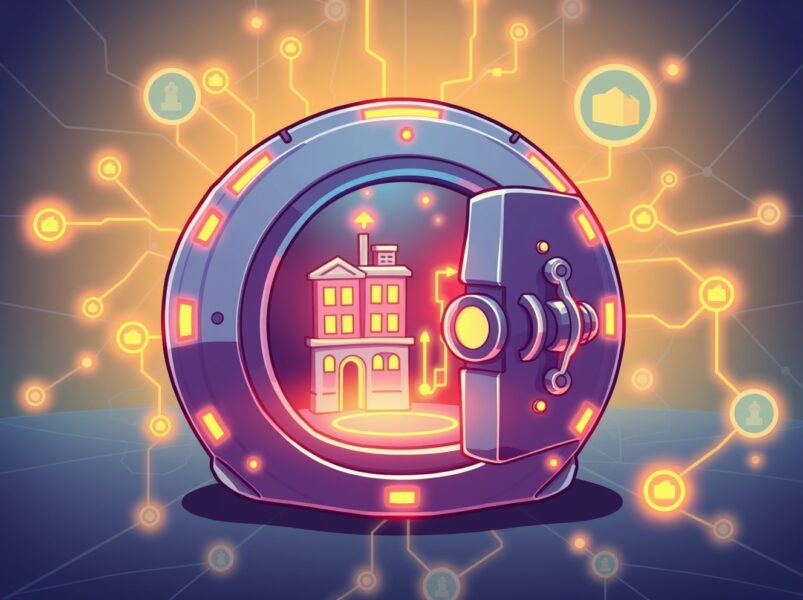
Imagine a world where trillions of dollars in real estate, bonds, and commodities trade as seamlessly as digital tokens. This is the ambitious vision of the Canton Network, and it just took a monumental leap forward. The network has announced a pivotal partnership with RedStone Oracles to provide the critical data backbone for its emerging RWA ecosystem, valued at a staggering $6 trillion. This collaboration isn’t just a technical integration; it’s the key that unlocks institutional-grade, real-world asset tokenization at an unprecedented scale.
Why Is the Canton Network and RedStone Oracle Partnership a Game-Changer?
The core challenge in tokenizing real-world assets (RWAs) is trust. How can a smart contract on a blockchain reliably know the price of a commercial building or the interest payment on a private bond? This is where oracles come in. They act as secure bridges, fetching verified data from the traditional world and feeding it onto the blockchain. By selecting RedStone Oracles, the Canton Network is choosing a provider known for its modular design, high-frequency data updates, and robust security—essential ingredients for multi-trillion dollar markets.
What Does This Mean for the $6 Trillion RWA Vision?
The scale of the ambition is breathtaking. A $6 trillion RWA ecosystem represents a fundamental shift in how global finance operates. Here’s what this integration enables:
- Unprecedented Liquidity: Illiquid assets like private equity or fine art can be fractionalized and traded 24/7.
- Automated Compliance: Smart contracts can automatically enforce regulatory rules and ownership transfers.
- Enhanced Transparency: Every transaction and asset provenance is recorded immutably on the ledger.
- Reduced Costs: By cutting out numerous intermediaries, settlement and administrative expenses plummet.
With RedStone Oracles supplying accurate, tamper-proof data feeds—from interest rates and forex prices to specific asset valuations—the Canton Network can build financial applications that institutions can trust.
How Will RedStone Oracles Power the Canton Network’s Infrastructure?
Think of the Canton Network as a secure, interoperable blockchain designed for privacy and compliance, tailored for financial institutions. For its applications to function, they need constant, reliable information. RedStone Oracles will serve as the network’s sensory system, delivering crucial data for various use cases:
- On-chain Fund NAVs: Providing real-time Net Asset Values for tokenized investment funds.
- Interest Rate Feeds: Enabling dynamic variable-rate lending and borrowing against RWA collateral.
- FX & Commodity Prices: Facilitating cross-border settlements and tokenized commodity trading.
- Corporate Action Data: Automating dividend distributions or bond coupon payments for tokenized securities.
This reliable data layer is the foundation upon which the entire RWA ecosystem will be built, ensuring all smart contracts execute based on truth.
What Are the Challenges and the Road Ahead?
While the potential is revolutionary, the path is not without hurdles. Regulatory frameworks across different jurisdictions are still evolving. Furthermore, ensuring the absolute security and reliability of oracle data at this scale is paramount—a single point of failure could have systemic consequences. However, the partnership between the Canton Network and RedStone Oracles directly addresses this last mile of the trust problem. By combining Canton’s privacy-focused architecture with RedStone’s resilient data delivery, they are constructing a formidable solution designed for institutional adoption.
The Final Verdict: A New Chapter for Finance
The integration of RedStone Oracles into the Canton Network is more than a technical milestone; it’s a declaration that the tokenization of real-world assets is moving from pilot projects to prime time. This partnership provides the essential, trustworthy data layer needed to manage $6 trillion in value. It signals to traditional finance that blockchain infrastructure is now mature enough to handle their most complex and valuable assets. The fusion of Canton’s compliant network and RedStone’s robust oracles doesn’t just build an RWA ecosystem—it builds the future rails of global capital markets.
Frequently Asked Questions (FAQs)
Q: What is the Canton Network?
A: The Canton Network is a privacy-enabled, interoperable blockchain network specifically designed for institutional financial applications, with a focus on tokenizing real-world assets (RWAs).
Q: What role do RedStone Oracles play in this?
A: RedStone Oracles act as secure data bridges. They fetch verified, real-world information (like asset prices, interest rates) and feed it onto the Canton Network, allowing smart contracts to execute automatically based on accurate data.
Q: Why is this partnership important for the RWA sector?
A> Trustworthy data is the biggest hurdle for RWAs. This partnership solves that by providing a high-integrity data layer, enabling complex financial products like tokenized bonds, funds, and private assets to function reliably on-chain.
Q: What types of assets could be tokenized on this $6 trillion ecosystem?
A> Virtually any financial asset: government and corporate bonds, real estate, private equity stakes, commodities, intellectual property royalties, and more.
Q: How does this benefit the average investor?
A> It promises greater access to investment opportunities that were previously illiquid or restricted to large institutions, potentially offering better yields and portfolio diversification.
Found this deep dive into the future of finance insightful? The move to tokenize a $6 trillion market is a story every investor should know. Share this article on social media to spark a conversation about how blockchain is reshaping the world of real-world assets!
To learn more about the latest trends in real-world asset tokenization, explore our article on key developments shaping the blockchain landscape and its impact on institutional adoption.
This post Canton Network’s Masterstroke: How RedStone Oracles Unlock a $6 Trillion RWA Ecosystem first appeared on BitcoinWorld.
You May Also Like
And the Big Day Has Arrived: The Anticipated News for XRP and Dogecoin Tomorrow

Luxembourg adds Bitcoin to its wealth fund, but what does that mean for Europe?

