

Oil Prices Under Pressure as Supply Normalizes, BNY Warns
BitcoinWorld
Oil Prices Under Pressure as Supply Normalizes, BNY Warns
A new analysis from BNY suggests that the normalization of global oil supply is placing downward pressure on crude prices, marking a potential shift in the energy market’s recent dynamics. The report, which focuses on supply-side adjustments, indicates that production increases from key exporters and easing geopolitical disruptions are contributing to a more balanced market.
Supply Recovery Reshapes Market Outlook
BNY’s analysts note that after months of supply constraints driven by geopolitical tensions and OPEC+ production cuts, several major producers are now restoring output. This normalization is occurring alongside a steady but unspectacular demand recovery, creating conditions where supply growth is outpacing consumption. The result is a gradual softening of prices, with benchmark crude benchmarks like Brent and WTI retreating from earlier highs.
The analysis highlights that the pace of supply normalization is a critical variable. If production continues to ramp up without a corresponding acceleration in global economic activity, the market could face a sustained period of lower prices. This scenario would have significant implications for oil-exporting nations’ budgets and for inflation trends in importing countries.
Implications for Global Energy and Inflation
Lower oil prices generally provide relief to consumers and businesses by reducing fuel and transportation costs. However, BNY’s report cautions that the broader economic context matters. If the price decline is driven by a supply glut rather than strong economic fundamentals, it may signal weaker global demand rather than genuine disinflationary progress.
For central banks, including the Federal Reserve and the European Central Bank, a sustained drop in energy prices could help ease headline inflation figures, potentially influencing monetary policy decisions. Yet, analysts warn that the core drivers of inflation—services and wages—remain sticky, meaning lower oil prices alone may not be enough to prompt rapid policy easing.
What This Means for Investors
Energy sector investors are now reassessing their positions. BNY’s analysis suggests that while the normalization of supply is a headwind for crude prices in the near term, it does not necessarily signal a long-term bear market. Geopolitical risks, underinvestment in new production capacity, and the energy transition remain structural factors that could reintroduce supply tightness in the future.
Conclusion
BNY’s assessment underscores a key turning point for oil markets: the era of acute supply scarcity appears to be giving way to a more balanced, if not slightly oversupplied, environment. For the coming months, price action will likely hinge on how quickly supply normalizes relative to demand growth. Traders, policymakers, and consumers alike will be watching these developments closely.
FAQs
Q1: What does ‘supply normalization’ mean in the context of oil markets?
It refers to the return of oil production to more typical levels after a period of disruptions, such as production cuts by OPEC+ or outages caused by geopolitical conflicts. This usually leads to a more balanced market and can put downward pressure on prices.
Q2: How might lower oil prices affect inflation?
Lower oil prices reduce the cost of gasoline, diesel, and other petroleum-based products, which can lower headline inflation. However, core inflation—excluding food and energy—may remain elevated if driven by other factors like wages and services.
Q3: Is this analysis from BNY predicting a long-term decline in oil prices?
No. The analysis focuses on near-term pressures from supply normalization. BNY acknowledges that structural factors, including geopolitical risks and underinvestment, could still support prices in the longer term.
This post Oil Prices Under Pressure as Supply Normalizes, BNY Warns first appeared on BitcoinWorld.


You May Also Like

Trump tells Netanyahu, ‘You’re f—ing crazy’ and Wall Street sees it as a sign he’s losing patience with the war and wants it done
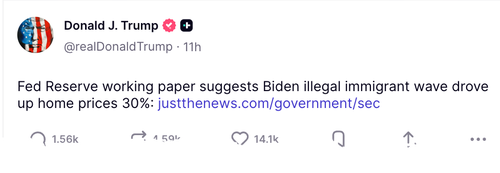
Biden's Illegal Alien Invasion Sparked 30% Home Price Growth, 20% Rent Growth: Fed Paper

SPARC AI Overwatch Platform Demonstrates Long-Range Maritime Targeting in Major Test



