

Johnson Says Reconciliation Is The Only Path For The SAVE Act
Johnson Says Reconciliation Is The Only Path For The SAVE Act

Speaker Mike Johnson returned to the Capitol this afternoon after several hours at the White House, telling reporters that the only viable path to enact the SAVE Act is to attach it to a reconciliation bill - and that work is already underway.
"The only way to get the SAVE Act to the president's desk, we've been shown many times, is to put it on a reconciliation bill, so that is in the process," Johnson said, adding that he believes a version of the measure would "clearly" comply with the Senate's Byrd Rule.
Earlier today, Punchbowl News' reported that House Republican leaders are considering a modified version of the bill structured as a $4 billion grant program. The grants would incentivize states to adopt citizenship verification and voter ID requirements for elections. The idea is still in its early stages, with no guarantee it will ultimately work or pass procedural hurdles.
This approach aims to frame the policy as a budgetary/spending matter, which is more likely to survive the Senate parliamentarian's review under the Byrd Rule.
The SAVE Act (Safeguard American Voter Eligibility Act) requires documentary proof of U.S. citizenship to register to vote in federal elections and photo identification to cast a ballot. The House has passed versions of the bill multiple times, but it has repeatedly stalled in the Senate due to the 60-vote filibuster threshold.
Republicans argue the measure strengthens election integrity and closes potential loopholes. Critics contend it is unnecessary (federal law already prohibits non-citizens from voting in federal elections), could create barriers for eligible voters, and amounts to voter suppression.
Reconciliation allows the majority party to pass budget-related legislation with a simple majority in the Senate. However, the Byrd Rule limits what can be included - non-budgetary or "extraneous" provisions are generally prohibited.
Bottom line: House Republican leaders, aligned with the White House, are actively exploring a reconciliation vehicle for a revised SAVE Act.
Speaker Mike Johnson returned to the Capitol this afternoon after several hours at the White House, telling reporters that the only viable path to enact the SAVE Act is to attach it to a reconciliation bill - and that work is already underway.
"The only way to get the SAVE Act to the president's desk, we've been shown many times, is to put it on a reconciliation bill, so that is in the process," Johnson said, adding that he believes a version of the measure would "clearly" comply with the Senate's Byrd Rule.
Earlier today, Punchbowl News' reported that House Republican leaders are considering a modified version of the bill structured as a $4 billion grant program. The grants would incentivize states to adopt citizenship verification and voter ID requirements for elections. The idea is still in its early stages, with no guarantee it will ultimately work or pass procedural hurdles.
This approach aims to frame the policy as a budgetary/spending matter, which is more likely to survive the Senate parliamentarian's review under the Byrd Rule.
The SAVE Act (Safeguard American Voter Eligibility Act) requires documentary proof of U.S. citizenship to register to vote in federal elections and photo identification to cast a ballot. The House has passed versions of the bill multiple times, but it has repeatedly stalled in the Senate due to the 60-vote filibuster threshold.
Republicans argue the measure strengthens election integrity and closes potential loopholes. Critics contend it is unnecessary (federal law already prohibits non-citizens from voting in federal elections), could create barriers for eligible voters, and amounts to voter suppression.
Reconciliation allows the majority party to pass budget-related legislation with a simple majority in the Senate. However, the Byrd Rule limits what can be included - non-budgetary or "extraneous" provisions are generally prohibited.
Bottom line: House Republican leaders, aligned with the White House, are actively exploring a reconciliation vehicle for a revised SAVE Act.


You May Also Like
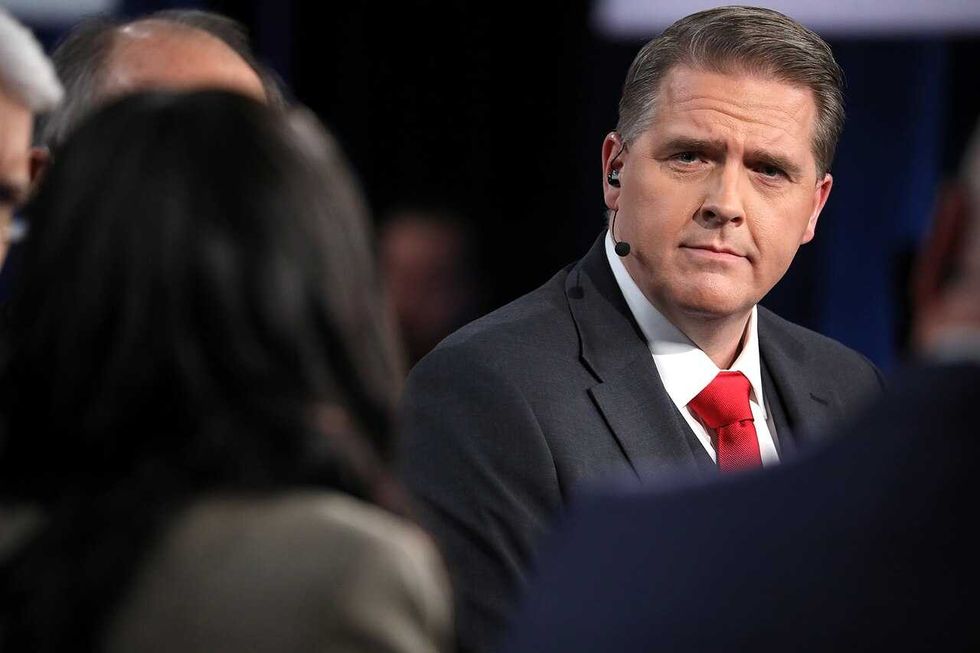
CNN's Abby Phillip trips up GOP insider Scott Jennings with his own Iran words

Eltropy Named to Inc. Regionals Pacific 2026 List of Fastest-Growing Private Companies


