

Italy’s Non-EU Trade Balance Holds Steady at €3.843 Billion in May
BitcoinWorld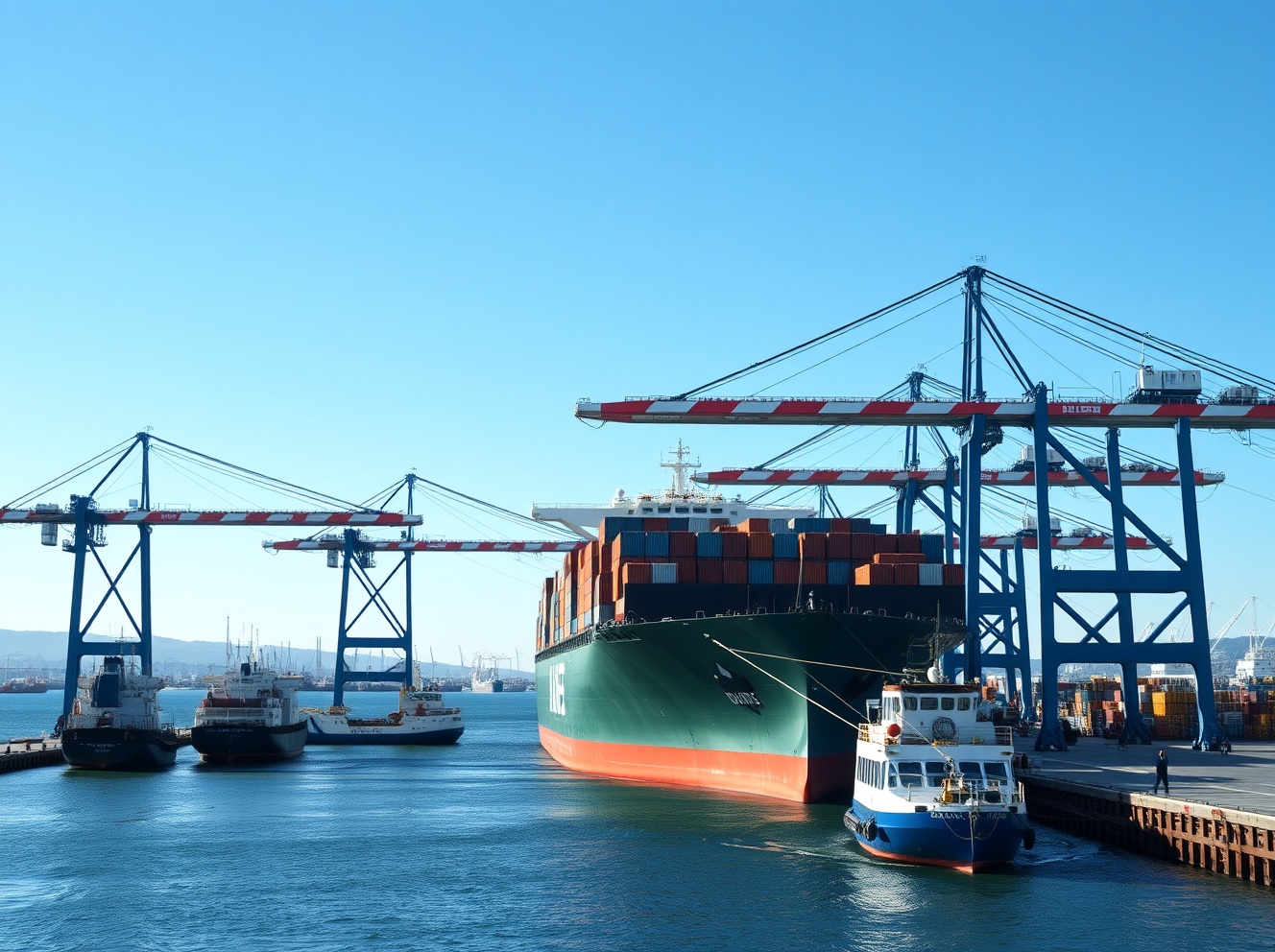
Italy’s Non-EU Trade Balance Holds Steady at €3.843 Billion in May
Italy’s trade balance with countries outside the European Union registered a surplus of €3.843 billion in May, nearly unchanged from the revised €3.846 billion recorded in the previous month. The data, released by the national statistics institute Istat, indicates a period of relative stability in the country’s external trade flows with non-EU partners.
Stability in a Volatile Landscape
The month-over-month change of just €3 million is marginal, suggesting that the balance between Italian exports to and imports from non-EU nations has settled into a narrow range in the short term. This stability comes against a backdrop of ongoing global supply chain adjustments, fluctuating energy prices, and varying demand from key markets such as the United States, China, and the United Kingdom.
While the headline figure shows little movement, it is important to consider the underlying components. A steady trade surplus generally signals that the value of Italy’s exports continues to outpace its imports from outside the EU, a positive sign for the country’s current account. However, analysts will be watching for shifts in energy import costs and the performance of Italy’s manufacturing sector in the coming months.
Context and Broader Implications
Italy’s trade balance with non-EU countries is a closely watched indicator of the nation’s economic health. A consistent surplus helps support the euro and can reduce the country’s reliance on external financing. The current figures suggest that Italian exporters, particularly in machinery, automotive, and luxury goods, are maintaining their competitiveness in global markets.
What to Watch Next
Market observers will now look ahead to the next release for any signs of a trend change. Factors that could influence future data include the European Central Bank’s interest rate decisions, the pace of economic growth in China, and the evolution of trade policies in the United States. A sudden widening or narrowing of the surplus could signal underlying shifts in demand or cost pressures.
Conclusion
Italy’s non-EU trade balance for May remains essentially flat, providing a picture of short-term stability. While the data offers no dramatic shift, it reinforces the view that Italy’s export sector is holding its ground. The coming months will be critical to determine whether this stability is a pause or a plateau.
FAQs
Q1: What does the non-EU trade balance measure?
A: It measures the difference between the value of goods Italy exports to countries outside the European Union and the value of goods it imports from those same countries. A positive number indicates a surplus.
Q2: Why is this data important?
A: The trade balance is a key component of a country’s current account. A stable surplus can indicate a competitive export sector and contribute to overall economic stability.
Q3: How does this compare to historical data?
A: Italy has generally run a trade surplus with non-EU countries in recent years. The current figure is consistent with the levels seen in the first half of the year, though it is subject to revision.
This post Italy’s Non-EU Trade Balance Holds Steady at €3.843 Billion in May first appeared on BitcoinWorld.


You May Also Like

Bitcoin at Crucial Pivot Point, Here's Why Fed Can Tilt Balance
Russia's Lavrov Admits That Anchorage Only Bought Time For Ukraine To Rearm

Why Tokenized Stock STRCx Holds the Largest Market Cap in Its Class



