

Kremlin Skeptical That US-Iran Peace Can Be Achieved: 'Rash'
Kremlin Skeptical That US-Iran Peace Can Be Achieved: 'Rash'

If there's a 'good cop, bad cop' routine happening at the Kremlin, mostly assuredly the role of bad cop always falls to Russia's former president, Dmitry Medvedev. In his maximalist and hyperbolic threats, he can be seen as the "John Bolton of the Kremlin".
With Trump's decision to wage war on Iran, Medvedev's negativity and skepticism has proven right more often than wrong. He is the latest Kremlin top official to weigh in on the bad position Washington once again finds itself embroiled in - and by it's own 'choice' - in the Middle East.
Medvedev, who has for the last several years been Russian Security Council Deputy Chairman, says an agreement between the US and Iran could easily be derailed by new provocations, and he took the opportunity to lash out at Israel, America's so-called indispensable ally.
 via AP
He has said, within mere days of Iran and Washington signing their big Memorandum of Understanding (MoU) - which may or may not hold given ongoing fighting between Israel and Hezbollah - that expecting peace is "rash".
He has stated that Israeli Prime Minister Benjamin Netanyahu's government is "sustained by war" - which is a bit of rare high level moment of the Kremlin lashing out at Israel.
"An unstable agreement easily explodes with new strikes on Lebanon or other provocations. And that’s exactly what the Netanyahu cabinet, which is sustained by war, needs. So, expecting peace is rash," Medvedev stated Saturday on the Russian social media platform Max.
Al Jazeera has reviewed:
Israel and Russia were largely at odds during the entirety of the Syrian proxy war, with Israeli aerial aggression in Syria having at times resulted in Russian losses.
For example, in September 2018, there was this serious incident when Syrian anti-air missiles sought to fire on inbound Israeli jets. Instead, a Russian reconnaissance plane went down:
Russia had throughout the Syria war sought to carefully avoid a direct conflict with Israel, and after Assad's overthrow its forces have of necessity been in retreat from the Middle East.
Russia's military still has assets along Syria's coast, but the future of its presence remains very uncertain, having largely resorted to 'humanitarian' missions will seeking to open diplomacy with the new Sharaa government.


You May Also Like

Goatseus Maximus (GOAT) Price Prediction 2026, 2027-2030
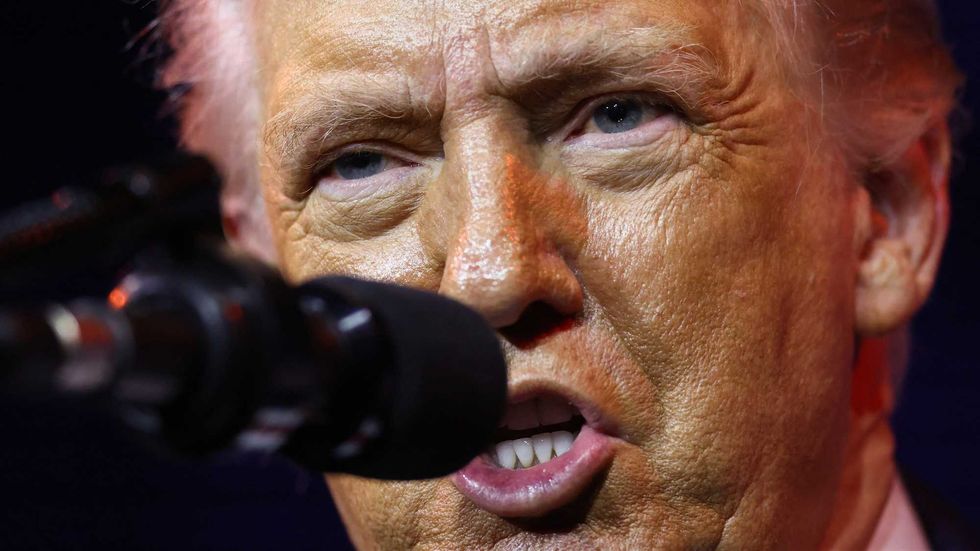
Trump spirals in 'bonkers' phone call with reporter: 'I can do whatever I want'

Trader Notes ‘Suspicious’ BTC Rally as Bitcoin Eyes $66K Peak



