

Mexican Peso Outlook: Steady but USMCA Risks Loom, Warns Societe Generale
BitcoinWorld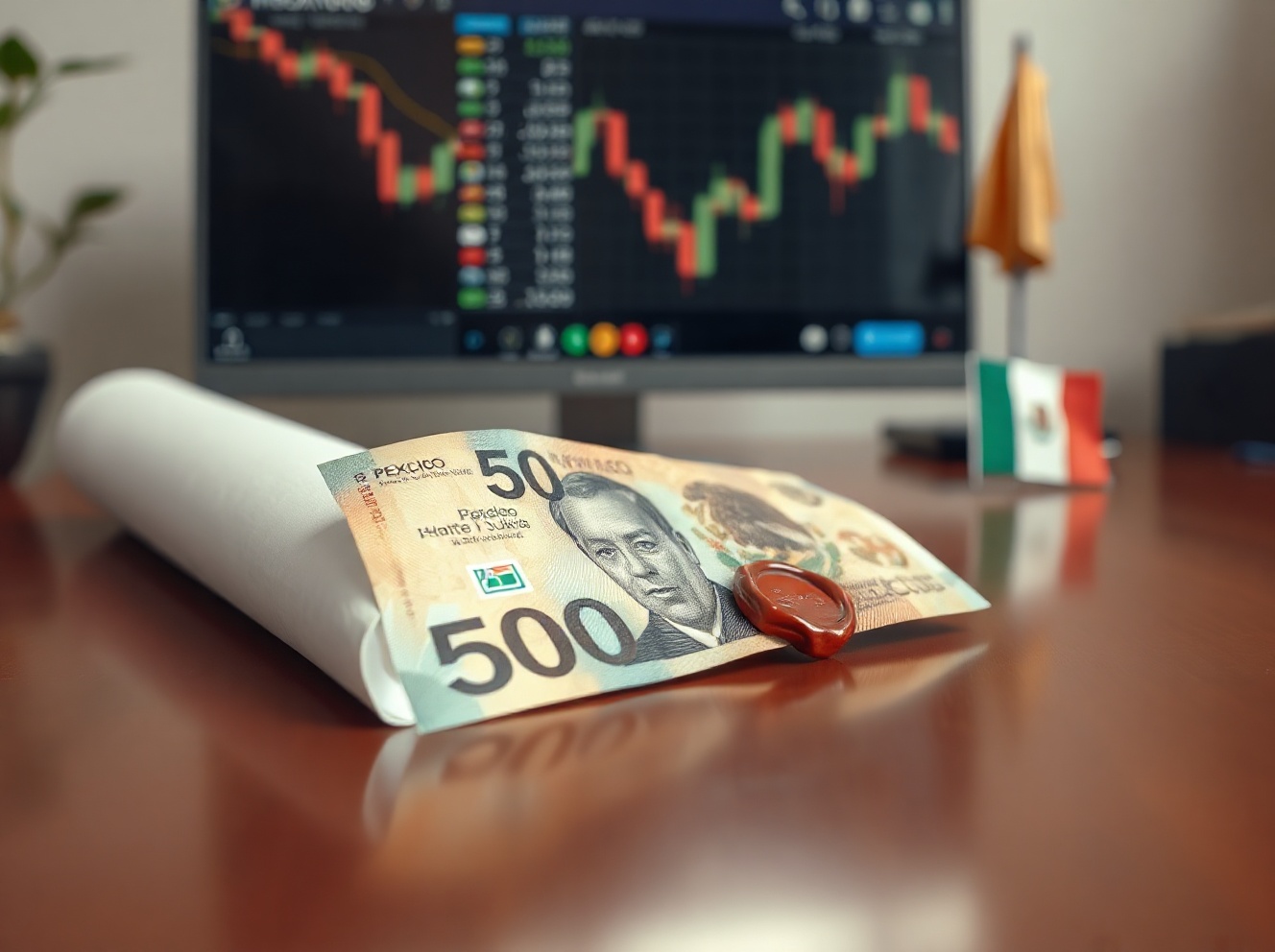
Mexican Peso Outlook: Steady but USMCA Risks Loom, Warns Societe Generale
The Mexican peso has maintained a relatively steady trading range in recent weeks, but analysts at Societe Generale caution that significant downside risks remain tied to the future of the United States-Mexico-Canada Agreement (USMCA). In a note released this week, the French bank’s currency strategy team highlighted that while the peso has benefited from a favorable carry trade environment and resilient remittance flows, the broader trade policy landscape introduces considerable uncertainty.
Societe Generale’s Assessment of MXN
Societe Generale’s analysis points to the Mexican peso trading within a tight band against the US dollar, supported by the Bank of Mexico’s (Banxico) relatively high interest rates, which continue to attract foreign capital. However, the bank warns that this stability is fragile. The upcoming review of the USMCA, scheduled for 2026, represents a key event risk. Any indication of renegotiation or potential withdrawal by any of the three signatory nations could trigger a sharp sell-off in the peso, similar to the volatility seen during the original USMCA negotiations in 2018-2019.
The analysts note that the peso’s resilience is also underpinned by Mexico’s strong macroeconomic fundamentals, including a robust labor market and solid foreign direct investment, particularly in the nearshoring sector. Yet, the political climate in the US, with potential shifts in trade policy following the upcoming presidential election, adds a layer of unpredictability that markets are not fully pricing in.
Key Risk Factors for the Mexican Peso
Beyond the USMCA review, Societe Generale identifies several other risk factors that could derail the peso’s steady outlook. These include potential changes in Banxico’s monetary policy stance if inflation proves stickier than expected, and a possible slowdown in the US economy, which would directly impact Mexican exports and remittances. The bank also highlights that a global risk-off event, triggered by geopolitical tensions or a sharp correction in equity markets, could lead to a rapid unwinding of carry trades, disproportionately affecting emerging market currencies like the peso.
What This Means for Forex Traders and Investors
For forex traders, the Societe Generale report suggests that while the peso may continue to offer attractive carry returns in the near term, the risk-reward profile is becoming less favorable. The bank advises monitoring US political developments closely, particularly any statements from presidential candidates regarding trade policy. Investors with exposure to Mexican assets should consider hedging strategies to protect against a potential sharp depreciation of the peso. The report underscores that the current calm in the peso market may not be a reliable indicator of future stability, given the significant political and trade policy risks on the horizon.
Conclusion
The Mexican peso’s current steadiness masks a complex set of risks that could materialize as the 2026 USMCA review approaches. Societe Generale’s cautious stance serves as a reminder that in the world of emerging market currencies, apparent stability can be deceptive. Traders and investors should remain vigilant, focusing on the interplay between domestic monetary policy, US political developments, and the broader global economic environment. The peso’s fate will likely be determined not by its current carry trade appeal, but by the outcome of trade negotiations and political shifts in North America.
FAQs
Q1: Why is the USMCA review a risk for the Mexican peso?
The USMCA is a cornerstone of Mexico’s trade relationship with the US and Canada. Any renegotiation or threat of withdrawal creates uncertainty for Mexican exports and foreign investment, which can lead to capital outflows and a weaker peso.
Q2: What is a carry trade and how does it affect the peso?
A carry trade involves borrowing in a low-interest-rate currency (like the Japanese yen) and investing in a high-interest-rate currency (like the Mexican peso) to profit from the interest rate differential. This demand for the peso supports its value, but the trade can unwind rapidly during risk-off events.
Q3: What other factors could weaken the Mexican peso?
Key factors include a US economic slowdown reducing demand for Mexican exports, higher-than-expected inflation in Mexico forcing Banxico to raise rates (which could hurt growth), and global geopolitical shocks that cause investors to flee emerging markets.
This post Mexican Peso Outlook: Steady but USMCA Risks Loom, Warns Societe Generale first appeared on BitcoinWorld.


You May Also Like

'Dark day': Elon Musk's milestone draws searing rebuke
Wall Street Closes Higher: Dow Gains 0.70% as Optimism Returns

HolmesAI Partners with TaiJi to Power AI Trading Avatars



