

Multicoin Capital Co-Founder Declares Web3 Dead, Only DeFi and DePIN Remain
BitcoinWorld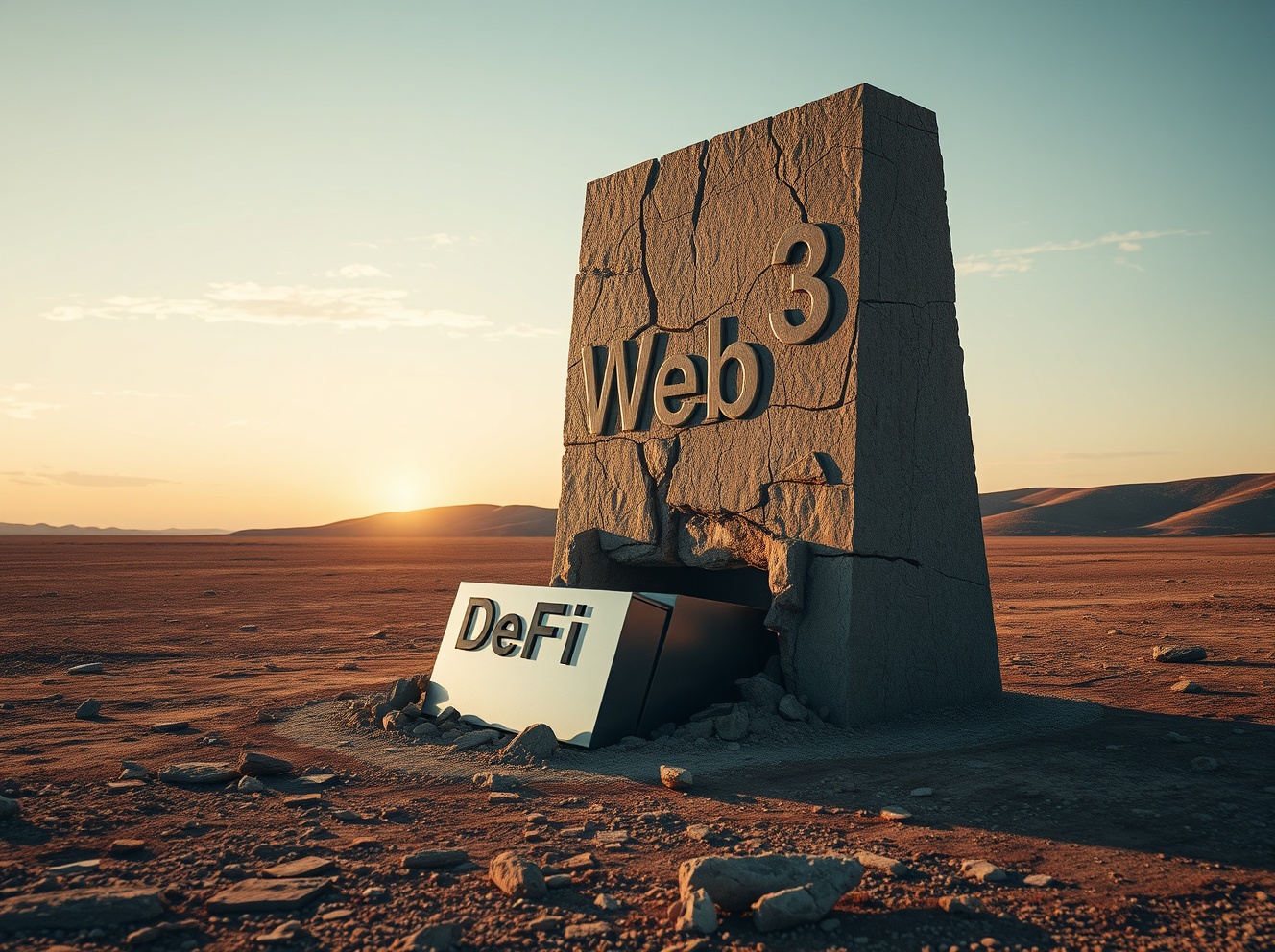
Multicoin Capital Co-Founder Declares Web3 Dead, Only DeFi and DePIN Remain
Multicoin Capital co-founder Kyle Samani has declared that the era of Web3 is effectively over, arguing that only two sectors—decentralized finance (DeFi) and decentralized physical infrastructure (DePIN)—remain relevant in the current crypto landscape. His remarks add a prominent voice to a growing debate about the industry’s direction and identity.
A Blunt Assessment from a Major Investor
Speaking publicly, Samani stated that the broad, ambitious vision of Web3—often characterized by decentralized applications, social networks, and user-owned internet services—has failed to gain meaningful traction. He contends that the market has narrowed to focus on tangible, utility-driven sectors: DeFi, which provides financial services without intermediaries, and DePIN, which uses blockchain to coordinate physical infrastructure like wireless networks and energy grids.
Samani’s comments come at a time when venture capital funding for Web3 startups has significantly declined from its 2021-2022 peak, while investment in DeFi and DePIN protocols has remained relatively stable. His firm, Multicoin Capital, has been a prominent investor in both sectors, including projects like Helium (DePIN) and various DeFi protocols.
The Crypto Identity Crisis
Samani’s assessment follows a similar, though more nuanced, observation from Starknet co-founder Eli Ben-Sasson, who recently stated that the crypto industry is facing an identity crisis. Ben-Sasson highlighted a paradox: longtime industry pioneers and OG developers are leaving the space, while institutional investors and traditional finance (TradFi) entities are increasingly showing interest.
This shift represents a reversal of the industry’s original ethos, which positioned itself as an alternative to centralized financial systems. The growing involvement of TradFi—including banks, asset managers, and payment giants—has created tension between the founding principles of decentralization and the practical realities of mainstream adoption.
What This Means for the Broader Market
For investors and developers, the narrowing of focus to DeFi and DePIN suggests a maturation of the crypto market. Rather than chasing broad, speculative narratives, capital and talent are concentrating on applications with clear revenue models and real-world use cases. DeFi continues to generate billions in trading volume and yield, while DePIN projects are deploying physical hardware and generating measurable utility.
However, the dismissal of Web3 raises questions about the future of decentralized applications in areas like gaming, social media, and identity. While some projects in these verticals continue to develop, they face significant hurdles in user adoption and scalability compared to centralized alternatives.
Conclusion
The declarations from Samani and Ben-Sasson reflect a critical inflection point for the crypto industry. The vision of a fully decentralized web may be fading, but the pragmatic application of blockchain technology in finance and physical infrastructure appears to be gaining solid ground. For market participants, the focus is shifting from ideological ambition to functional utility.
FAQs
Q1: What exactly is Web3, and why is it being declared over?
Web3 refers to a vision of a decentralized internet built on blockchain technology, where users own their data and digital assets. It is being declared over by some industry leaders because many of its core applications—like decentralized social networks and gaming—have failed to achieve mainstream adoption, while capital and attention have shifted to more utility-driven sectors like DeFi and DePIN.
Q2: What is DePIN, and why is it considered a surviving sector?
DePIN stands for Decentralized Physical Infrastructure Networks. It uses blockchain tokens to incentivize the deployment and maintenance of real-world physical infrastructure, such as wireless hotspots, solar panels, or sensor networks. It is considered a surviving sector because it offers a clear value proposition and has demonstrated real-world deployment and usage.
Q3: How does the crypto identity crisis affect investors?
The identity crisis, characterized by departing OGs and incoming TradFi institutions, creates uncertainty about the industry’s long-term direction. For investors, this means a need to differentiate between projects that are building sustainable, compliant, and utility-driven products versus those relying on ideological narratives. It also suggests that regulatory clarity and institutional-grade infrastructure will become increasingly important.
This post Multicoin Capital Co-Founder Declares Web3 Dead, Only DeFi and DePIN Remain first appeared on BitcoinWorld.


You May Also Like

USD/JPY Price Forecast: Yen languishes amid growing BoJ rate hike uncertainty

Sandiganbayan orders Jinggoy Estrada’s arrest for plunder
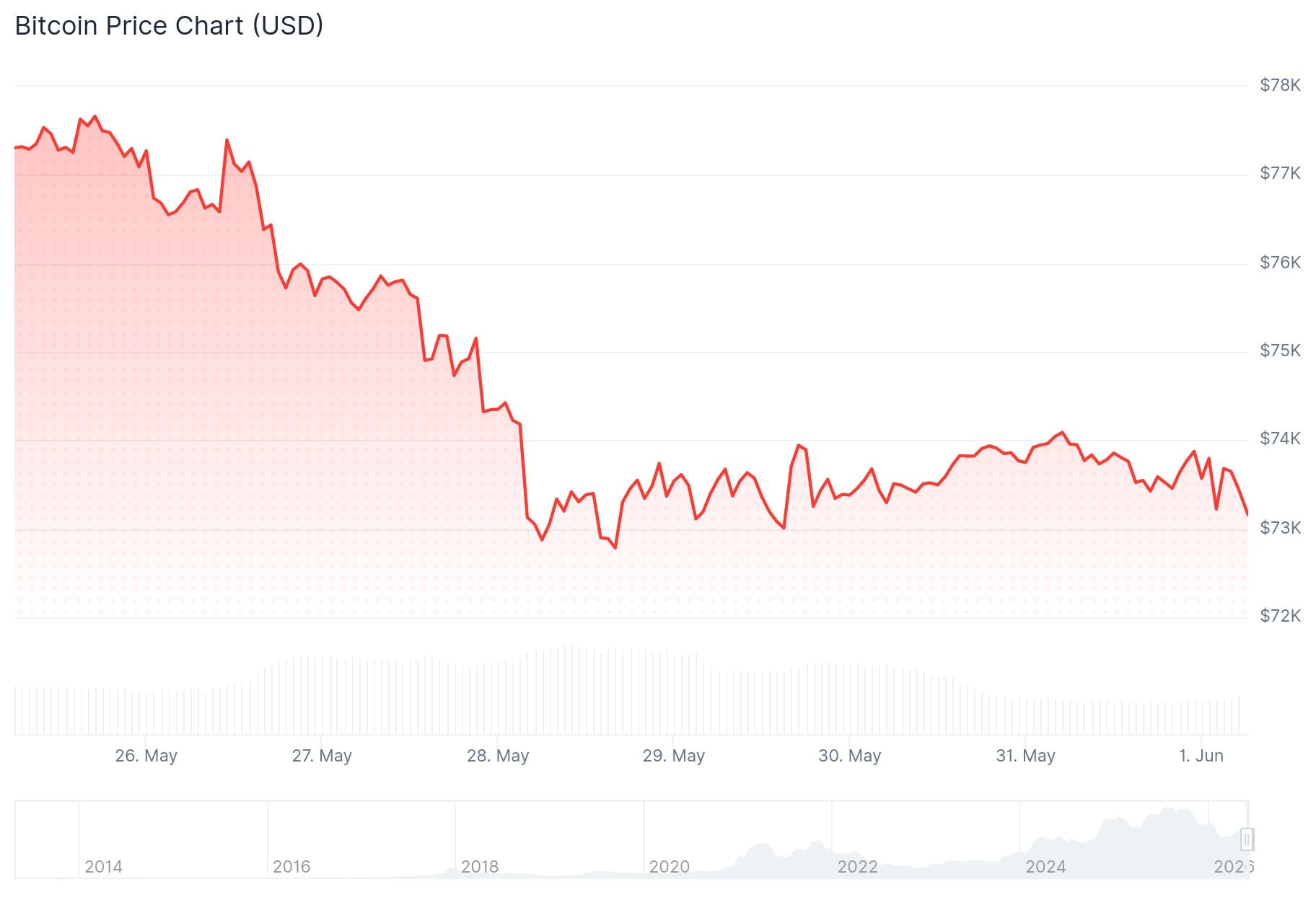
Bitcoin (BTC) Price: $1.4B Exits Spot ETFs in Third Largest Weekly Outflow on Record



