Trump Suggests Xi Jinping Holds Key to Influencing Iran’s Actions
BitcoinWorld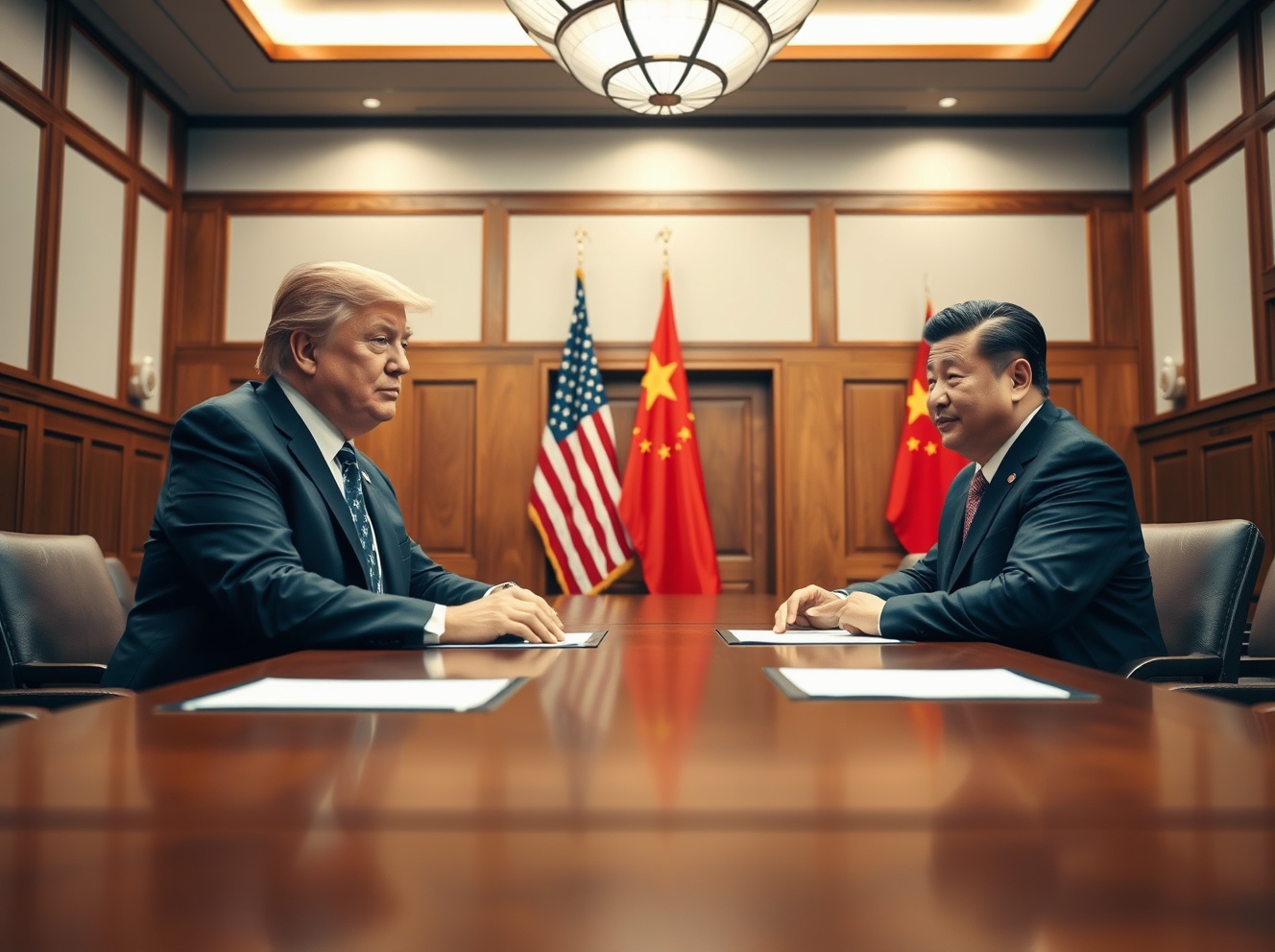
Trump Suggests Xi Jinping Holds Key to Influencing Iran’s Actions
In a recent statement that has drawn significant attention from global policymakers and analysts, former US President Donald Trump asserted that Chinese President Xi Jinping likely possesses considerable leverage to sway Iran’s behavior on the international stage. The comment, made during a public appearance, underscores the complex interplay between major world powers and their respective geopolitical strategies.
Context and Background of the Statement
Trump’s remarks come amid ongoing tensions surrounding Iran’s nuclear program and its regional influence. The United States and its allies have long sought to curb Iran’s activities through sanctions and diplomatic pressure. However, Trump’s suggestion that China—a key economic partner of Iran—could play a pivotal role in influencing Tehran’s decisions introduces a new dimension to the discourse. China has maintained strong trade ties with Iran, particularly in the energy sector, and has historically resisted external calls to isolate the Iranian government.
Implications for US-China Relations
The former president’s statement also reflects the broader dynamics of US-China relations, which have been marked by both competition and cooperation. By publicly attributing influence to Xi Jinping, Trump may be signaling a potential avenue for future diplomatic engagement. However, analysts caution that such a move could also be interpreted as a challenge to Beijing’s stance on international non-proliferation and regional stability. The comment has already sparked debate among foreign policy experts about the extent of China’s actual leverage over Iran and whether Xi would be willing to use it.
What This Means for Global Diplomacy
If accurate, Trump’s assessment could reshape how Western nations approach negotiations with Iran. Rather than focusing solely on direct talks or sanctions, they might seek to engage China as a mediator or pressure point. This would require a delicate balancing act, as China has its own strategic interests in the Middle East, including energy security and the Belt and Road Initiative. For readers, the key takeaway is that the geopolitical landscape is becoming increasingly interconnected, with the actions of one major power capable of influencing outcomes far beyond its borders.
Conclusion
While Trump’s statement remains a comment rather than a formal policy proposal, it highlights the enduring relevance of great-power politics in addressing global challenges. Whether Xi Jinping indeed has the power to sway Iran—and whether he would choose to exercise it—remains an open question. What is clear is that the intersection of US, Chinese, and Iranian interests will continue to be a critical area of focus for diplomats and analysts worldwide.
FAQs
Q1: Why does Donald Trump believe Xi Jinping can influence Iran?
Trump’s statement is based on China’s significant economic and diplomatic ties with Iran, particularly in oil trade and infrastructure projects, which could give Beijing leverage over Tehran’s decision-making.
Q2: Has China publicly responded to Trump’s claim?
As of the time of this article, Chinese officials have not issued a direct response. However, China has historically emphasized its policy of non-interference in other nations’ affairs, which may limit its willingness to pressure Iran.
Q3: How might this affect US foreign policy?
If the US seeks to leverage China’s influence, it could lead to a shift in diplomatic strategy, potentially involving more multilateral negotiations or conditional trade agreements with China. However, this remains speculative until concrete policy changes are announced.
This post Trump Suggests Xi Jinping Holds Key to Influencing Iran’s Actions first appeared on BitcoinWorld.


You May Also Like

Senate standoff: 2 sides tell different stories

Dogecoin Price Prediction Points to Historic Rally: Here’s What Comes Next for DOGE