👨🏿🚀TechCabal Daily – Buy shares on M-Pesa
Good morning. 
It’s the AI ad wars. Between ChatGPT’s launch of GPT-5.3-Codex & GPT-5.2, and Anthropic’s launch of Opus 4.6, what the use of AI looks like in 2026 is shaping up to be interesting. And it’s just February.
If you haven’t seen TechCabal’s Headlines yet, you should watch the show where we break down all the headlines in the African tech ecosystem of the week. You can watch Headlines here.

- NCC and CBN want 24-hour refunds for airtime mistakes
- Paratus plugs DRC into the internet coast with new fibre route
- Kenyan Stock Exchange launches stock trading via M-Pesa
- World Wide Web 3
- Job Openings
companies
Nigeria’s Raenest plants flag in Asia
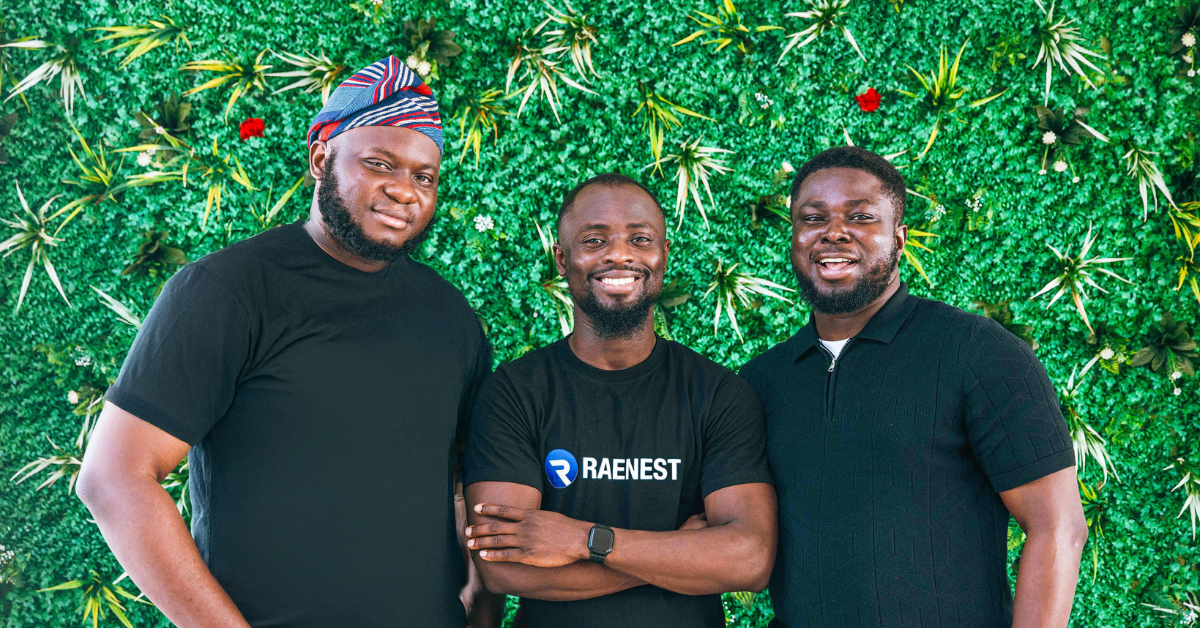 Image source: Raenest
Raenest, a Nigerian fintech that helps African freelancers get paid across borders, has expanded into India and the Philippines, four months after its US debut in late 2025. The move is part of how the company is deploying the $11 million Series A it raised in February 2025.
This wasn’t a random expansion: The company says locals in those markets tried to sign up on its platform before they even launched. Data also shows that India and the Philippines have large and fast-growing freelance populations, with 15 million freelancers in India, and the Philippines recording a 208% growth in freelance revenues within a year.
What Raenest is really offering: Raenest isn’t trying to replace local banks. Instead, it is positioning itself as a platform where users can open dollar or pound wallets, receive payments directly from freelance platforms like Upwork, and accept stablecoins that auto-convert to dollars. From those wallets, users can choose to send the money to their local bank accounts.
This market isn’t empty. Global and local players like Wise, Grey, Skydo, and local banks already serve freelancers, but are focused on remittances. Raenest is betting that its freelancer-first design and features, which would also include an invoicing tool in both markets, give it an edge over the others.
The early sign-ups Raenest says it saw before its debut showed interest. The next question is whether that curiosity turns into consistent use. A question only Asia can answer.
FINCRA X ATS Nairobi 2026
As Headline Sponsor of ATS 2026, Fincra is building the financial rails that connect Africa to the global financial ecosystem through resilient infrastructure that delivers. Get started with Fincra.
policy
Nigeria wants 24-hour refunds for airtime mistakes
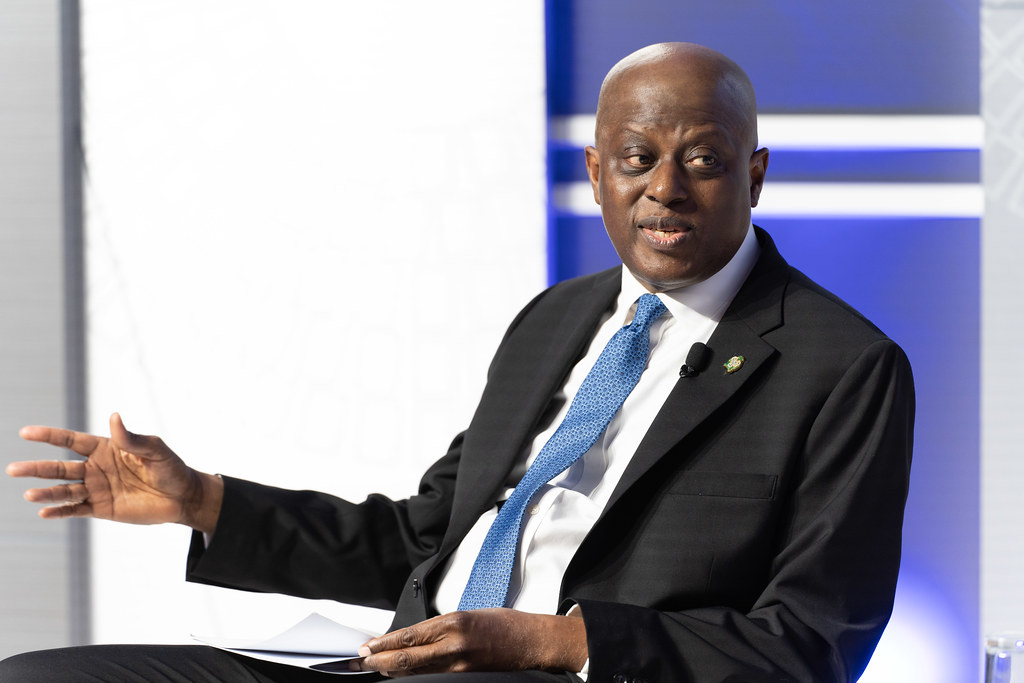 CBN Governor, Olayemi Cardoso. Image Source: CBN/Flickr
Nigeria’s telecom and financial regulators released a joint framework that could finally fix one of the country’s most annoying digital problems: getting your money back when you buy airtime or data by mistake.
What’s changing? The Central Bank of Nigeria (CBN) and Nigerian Communications Commission (NCC) exposure draft published on Monday introduces clear refund rules. Banks and mobile operators would now be legally required to reverse mistakes within 24 hours.
The breakdown: Overpurchased airtime and data should be reversed within 24 hours of complaint. Airtime sent to a wrong number under ₦20,000 ($14.64) depends on the recipient’s consent and has a timeline of 24 hours. Airtime over ₦20,000 requires an affidavit or a notarised letter before reversal.
Why this matters: Millions of Nigerians lose money daily to human errors and failed transactions with no recourse. This framework creates formal accountability where none existed. Banks and telcos must now document claims, meet service-level timelines, and face oversight through a real-time “Failed Transactions Dashboard.” If disputes aren’t resolved in five working days, subscribers can escalate directly to the CBN and NCC.
In January, TechCabal reported the regulators would mandate 30-second refunds for failed transactions starting March 1, 2026. The latest framework expands that to cover mistaken purchases and wrong-number transfers.
This is still an exposure draft. Public feedback will determine whether it becomes law. But if adopted, it would be the first time Nigerian consumers have real protection when digital payments go wrong.
Discover providers and manage logistics in one secure platform.
The Logistics Marketplace connects health buyers – governments, partners, humanitarian organizations & manufacturers with logistics providers across Africa. Backed by Global Fund & Gates Foundation Join for free with Access Code WELCOME2026!
telecoms
Paratus plugs DRC into the internet coast with new fibre route
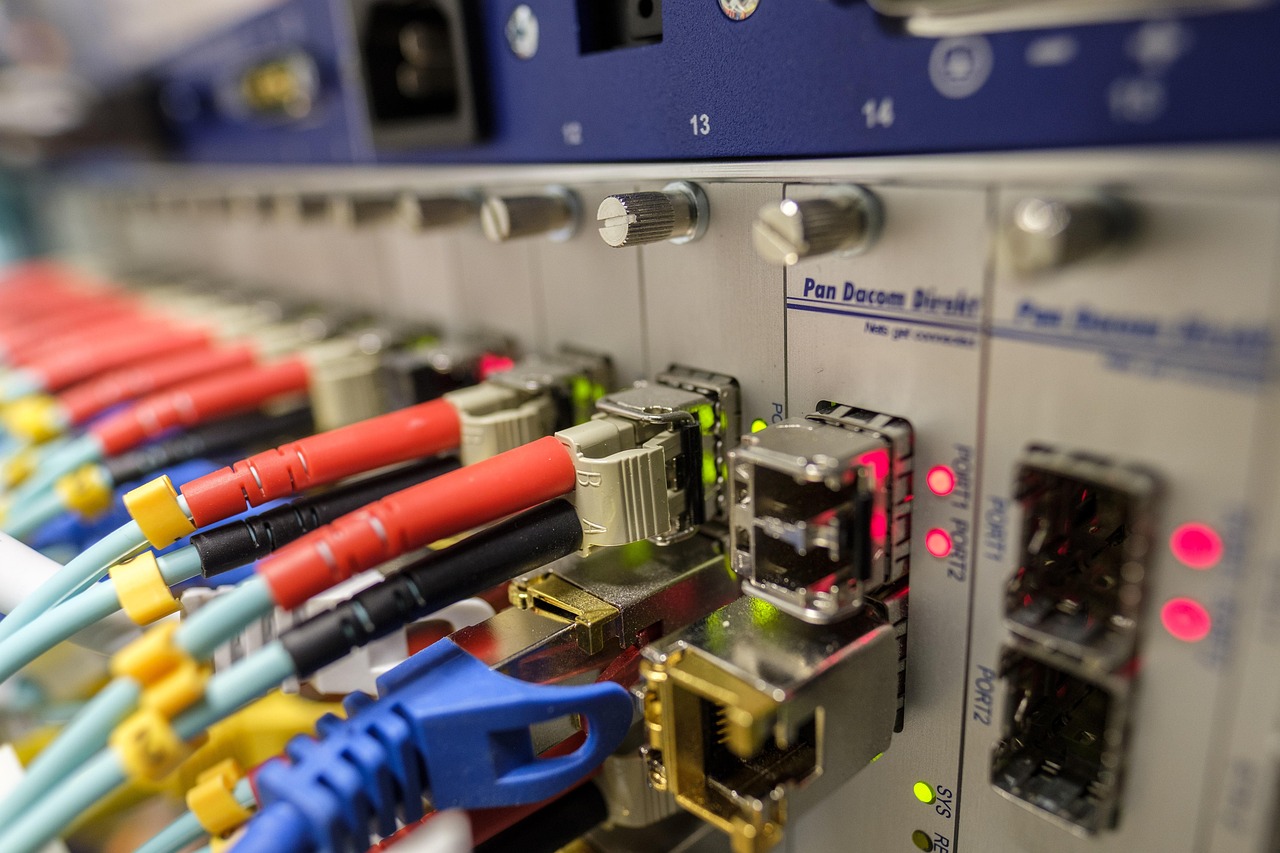 Image source: Pixbay
Paratus Group, a telecommunications operator and network provider, has turned on a new 2,000km fibre route linking Goma, a city in the eastern Democratic Republic of Congo (DRC), to Mombasa, Kenya. The fibre route runs through Nairobi, Kampala, and Kigali, and is already carrying traffic for its wholesalers, including internet service providers (ISPs).
How this route actually works: Instead of data traffic hopping between fragmented national networks, Paratus stitched together a single protected terrestrial route with direct access to subsea cables at the coast. From Goma, data can now move to data centres in Rwanda, Uganda, and Kenya, then out to the world.
This matters for the Eastern DRC: Because of the region’s geographical isolation from the major fibre-optic hubs on the coast, Goma and the surrounding regions have relied on patchy, expensive cross-border networks. A continuous terrestrial route to the coast reduces latency and provides ISPs with more predictable pricing. This also means cloud access becomes smoother and cross-border payments face fewer bottlenecks.
The bigger picture: The new route complements Paratus Group’s East-West fibre backbone, which stretches from Mozambique to Namibia and interconnects with the Equiano subsea cable, owned by Google, and nudges eastern DRC closer to being a full participant in regional internet traffic.
Get the Nimbus Aid Foundation’s 2025 Impact Report
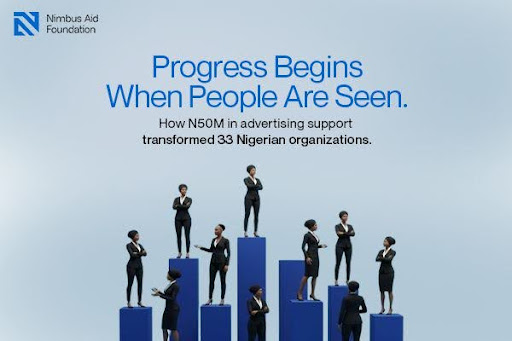
Nimbus Aid Foundation’s 2025 Impact Report shows how ₦50M in DOOH advertising transformed 33 women-led businesses, driving 65% traffic growth and moving beneficiaries from pre-revenue to post-revenue. Download here.
trading
Kenyan Stock Exchange launches stock trading via M-Pesa
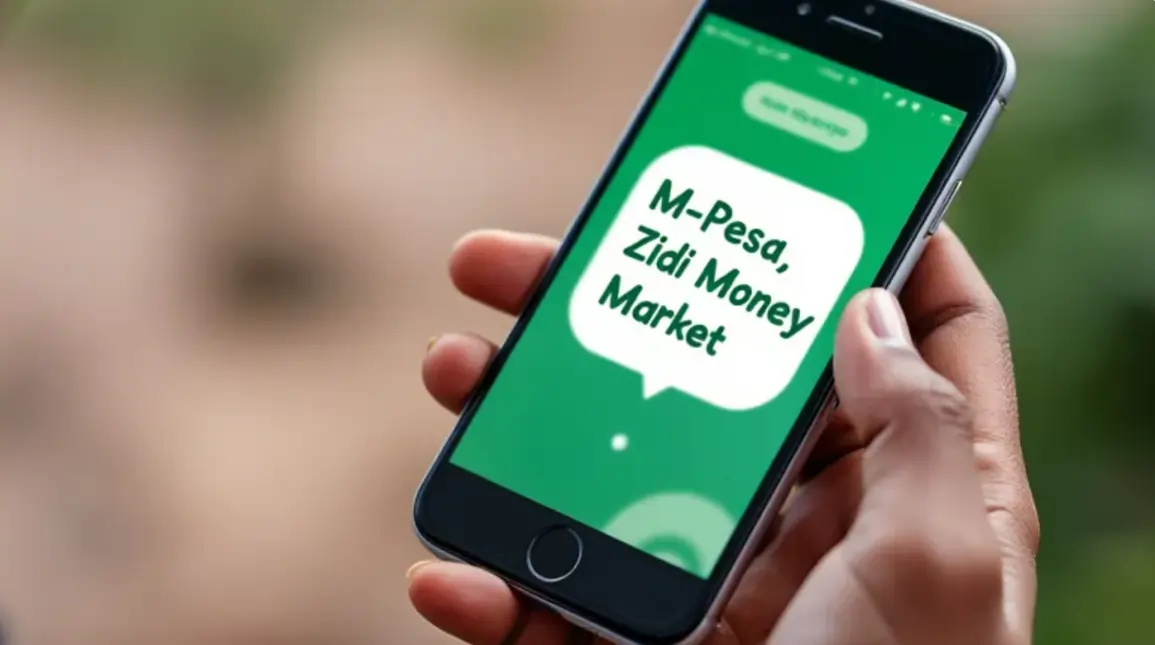 Image source: Serrari Group
Kenya just made it possible to buy and sell shares directly from M-Pesa. But only one stockbroker gets to process the trades.
What’s happening? In November 2025, Safaricom launched Ziidi Trader, a platform embedded in the M-Pesa app that lets its 35 million mobile money users in Kenya trade stocks without opening a traditional brokerage account. Now M-Pesa pools funds into a single account managed by Kestrel Capital, the only broker with access.
A big move: In a shift from the typical decades-old tradition of relying on stockbrokers for buying and selling equities, Safaricom has chosen Kestrel Capital as the sole broker to process trades on the mobile money transfer service. Kestrel, ranked 11th among Kenya’s 22 stockbrokers, ran the three-month pilot and gets exclusive access for now. CEO Francis Mwangi says other brokers will join eventually, but gave no timeline.
Why this matters: Kenya’s stock exchange has just 1 million accounts. M-Pesa has 35 million users. Despite a two-year market rally, NSE investors grew only 0.2% to 1.3 million, down from over 2 million in 2022. The NSE wants 9 million active investors by 2029, and this is its bet on getting there, mirroring Kenya’s 2017 mobile bond trading breakthrough and the Ziidi Money Market Fund, which had 1.15 million customers as of September 2025.
Attend Africa Tech Summit, Nairobi
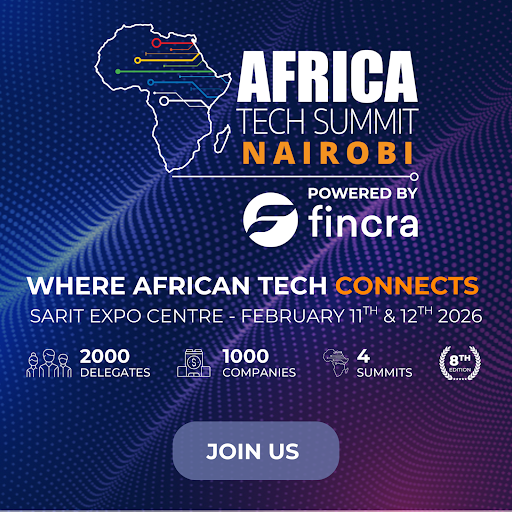
Africa Tech Summit Nairobi, powered by Fincra takes place on Feb 11 & 12, 2026. Connect with Binance, Moniepoint, VALRdotcom, Andela, Cardano, Wada, ConduitPay & more. Rates increase on 6 February
CRYPTO TRACKER
The World Wide Web3
Source:

|
Coin Name |
Current Value |
Day |
Month |
|---|---|---|---|
| Bitcoin | $69,314 |
– 2.27% |
– 23.58% |
| Ether | $2, 054 |
– 1.75% |
– 33.63% |
| BNB | $640 |
+ 0.70% |
– 29.35% |
| Solana | $87.30 |
+ 1.25% |
– 35.86% |
* Data as of 06.45 AM WAT, February 10, 2026.
JOB OPENINGS
- Big Cabal Media — Associate Videographer/Video Editor (full-time); Senior Financial Analyst (full-time); Zikoko Citizen Reporter (full-time); Content Creator (contract); Journalist (contract); Project Associate (contract); Senior Editor (contract); Senior Writer; Business Development Executive — Lagos, Nigeria
- Piggyvest — Senior Accounting Associate, Customer Success Intern — Lagos, Nigeria
- Buffer — Senior Engineer, Growth Marketing — Remote
- Moniepoint — Several roles — Remote (Nigeria)
- FirstBank — Business Development Lead, eCommerce & Retail — Lagos, Nigeria
- Wave — Machine Learning Scientist — Nairobi, Kenya
- Pavago — Customer Success Manager — Remote (Kenya)
There are more jobs on TechCabal’s job board. If you have job opportunities to share, please submit them at bit.ly/tcxjobs.
- Ask An Investor: Only 26 African startups raised $174 million in January. Here’s what it signals
- Follow the Money: How Nigerians spent ₦20.87 billion daily on data in 2025 Why Equinix wants Nigeria’s Internet to have a second anchor in South-South
Written by: Zia Yusuf and Opeyemi Kareem
Edited by: Ganiu Oloruntade
Want more of TechCabal?
Sign up for our insightful newsletters on the business and economy of tech in Africa.
- The Next Wave: futuristic analysis of the business of tech in Africa.
- Francophone Weekly by TechCabal: insider insights and analysis of Francophone’s tech ecosystem
P:S If you’re often missing TC Daily in your inbox, check your Promotions folder and move any edition of TC Daily from “Promotions” to your “Main” or “Primary” folder and TC Daily will always come to you.

추천 콘텐츠

VIRTUAL Bearish Analysis Feb 10
XRPL Developer Says 100% Taking Profits on XRP at $10, $27