

UK court tests whether Bitcoin debts must be repaid in Bitcoin
A London case is posing an important question for English law: whether a judge would be able to compel one party to give back Bitcoin or only its pound-sterling equivalent. This is important since fluctuations in the value of Bitcoin will make the payment of the debt either more or less favorable, depending on what form it takes.
The case Hussain v Fix was heard in London on June 18th, where the claimant demanded the recovery of 7.8 BTC (Bitcoin) related to their business costs under a previous agreement. The defendant did not show up to contest the claim.
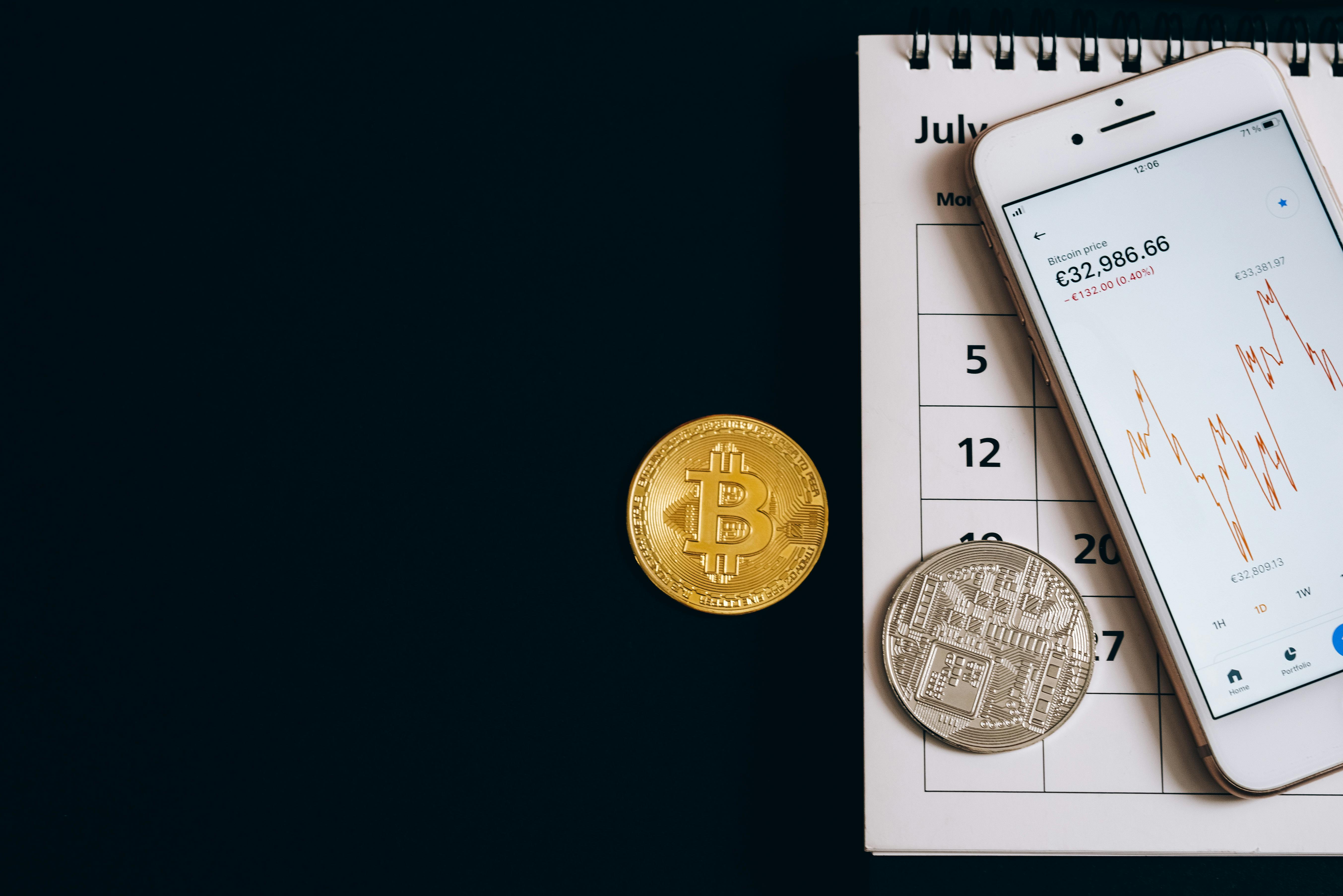
Bitcoin is property, but enforcement is another question
The presiding judge confirmed what UK legal authorities have broadly accepted since a 2019 determination by the UK Jurisdiction Taskforce: Bitcoin qualifies as property under English law. That classification gives holders legal standing to pursue claims over their coins in civil courts.
But recognizing Bitcoin as property and ordering someone to hand it over are two different things. The judge reportedly stopped short of ruling that a court can compel a debtor to pay in Bitcoin rather than in cash. Courts have long enforced obligations payable in non-cash assets, from shares to physical goods. However, whether or not such a power includes making the creditor be repaid in a specific cryptocurrency is not yet established in England.
It is important financially. For example, if a creditor gives out 7.8 BTC at $30,000, and he gets an order for repayment in pounds when Bitcoin costs more than $100,000, he gets much less money than he originally gave. The opposite situation will make it harder for the debtor.
A loophole within the legal system
This loophole was pointed out by Norton Rose Fulbright, a global law firm, during its January 2026 assessment of digital asset disputes. Courts in important jurisdictions are “refining legal principles on trust, possession and contractual obligations in the digital asset context,” the firm stated. Indeed, while in the UK there were further developments in classifying property rights for digital assets in 2025, there hasn’t been any progress in enforcing in-kind repayments.
In the absence of clear wording in contracts stating that repayment is to be done using cryptocurrency, the court can opt for repayment in fiat currency. That default creates exchange-rate exposure neither party bargained for.
The UK is not the only jurisdiction to have faced the question of how Bitcoin can be classified legally. On June 1, a decision by a South African High Court declared that 1,680 BTC confiscated from a crypto trader is “capital” in accordance with exchange control regulations of the country. Judge Stuart David James Wilson concluded that Bitcoin should be considered capital as it can be bought with local currency, held for speculation, and is accepted by some merchants as payment.
This came on the heels of a joint statement issued by the South African Reserve Bank and the Financial Sector Conduct Authority, which stated that cryptocurrency is not legal tender or money in terms of the National Payment System Act. The contradiction between the court’s finding and the regulators’ position illustrates how far behind legislative frameworks remain.
What happens next
In light of the Hussain v Fix decision, legal analysts quoted in BitcoinWorld anticipate even more pressure being placed upon Parliament or the Law Commission to clarify how cryptocurrency repayment should be enforced. Until such clarification arrives, any parties lending or receiving Bitcoin in the UK find themselves in a situation where an oral agreement regarding crypto could lead to a ruling awarding pounds rather than cryptocurrencies.
The proceedings have yet to reach completion, and there are no decisions by a higher court regarding the matter. Any parties who receive IOUs in Bitcoins as payment would do well to draw up a written contract that spells out exactly what gets repaid and in what form.
Don’t just read crypto news. Understand it. Subscribe to our newsletter. It's free.


추천 콘텐츠
Zcash (ZEC) Price Outlook: Why a New Cycle High Is Possible Very Soon

Crypto Market Update - 20 June 2026: Institutions File While ETF Outflows Mount

Michael Saylor fires back as STRC crash sparks fraud claims


인기 뉴스
더보기
