U.S. Dollar Surges as Soaring U.S.-Iran Tensions Trigger Intense Safe-Haven Demand
BitcoinWorld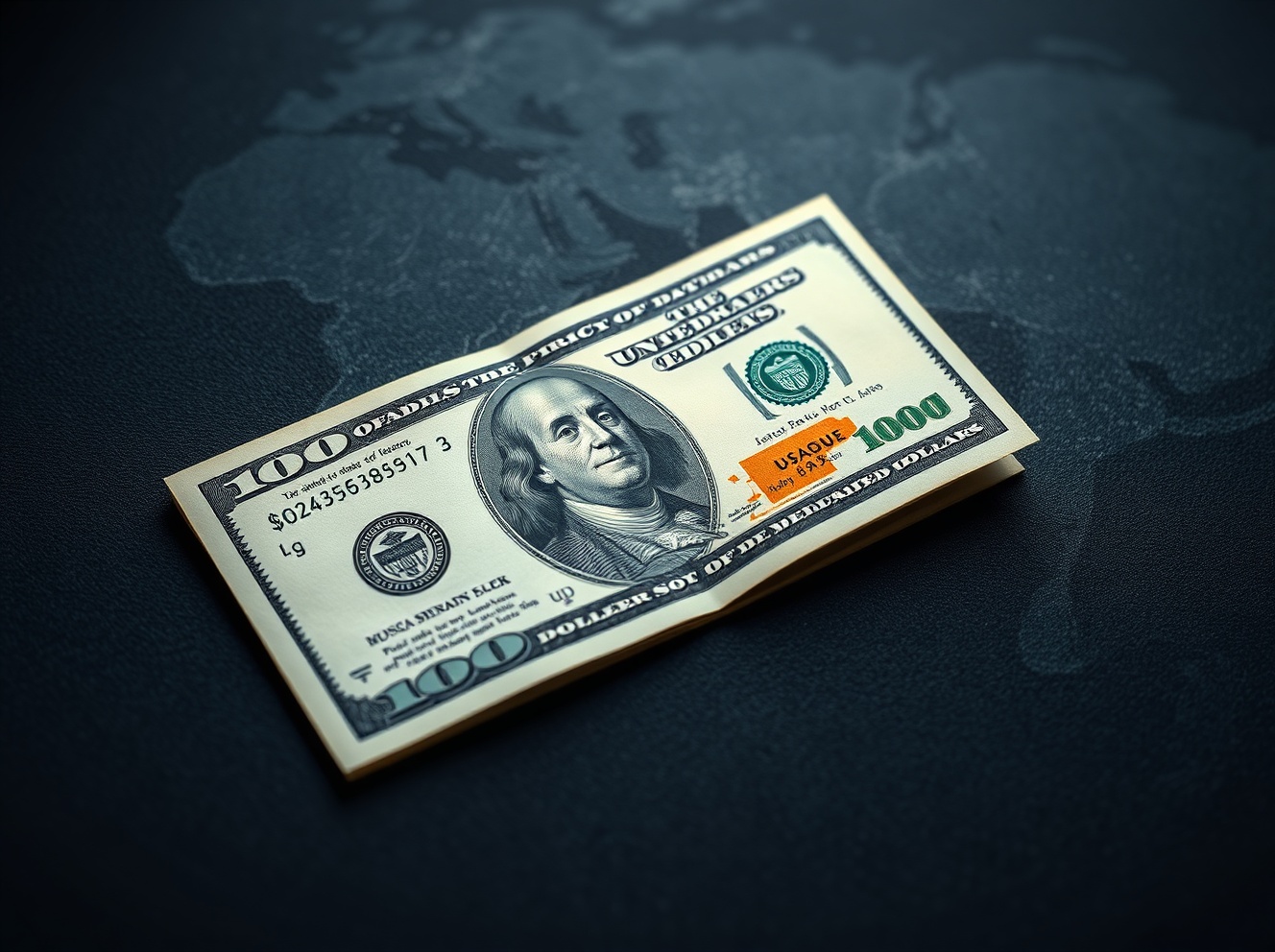
U.S. Dollar Surges as Soaring U.S.-Iran Tensions Trigger Intense Safe-Haven Demand
NEW YORK, April 10, 2025 – The U.S. dollar registered significant gains against a basket of major currencies today, as escalating geopolitical friction between the United States and Iran prompted a decisive flight to safety among global investors. This dollar surge underscores the currency’s enduring role as the world’s premier safe-haven asset during periods of international uncertainty. Market analysts immediately noted capital flows shifting away from risk-sensitive assets and into the perceived stability of the greenback and U.S. Treasury securities. Consequently, this movement reflects a classic market response to heightened geopolitical risk, where liquidity and security become paramount concerns for institutional and retail portfolios alike.
U.S. Dollar Strengthens Amid Geopolitical Uncertainty
The Dollar Index (DXY), which measures the U.S. currency against six major peers, climbed 0.8% in early trading. This move followed a series of diplomatic statements and military posturing that intensified concerns over potential conflict in the Middle East. Historically, the dollar benefits from such turmoil for several key reasons. First, the United States maintains the world’s largest and most liquid financial markets. Second, the U.S. Treasury market represents the deepest pool of safe assets globally. Finally, the dollar serves as the primary currency for international trade and central bank reserves. Therefore, during crises, investors universally seek dollar-denominated assets for their stability and ease of conversion.
This dynamic creates a self-reinforcing cycle. As demand for dollars increases, its value appreciates, making other currencies and commodities priced in dollars more expensive. For instance, the euro fell 0.7% to $1.0720, while the Japanese yen, another traditional haven, saw more muted gains due to its own domestic economic pressures. The British pound also softened by 0.5%. This broad-based dollar strength illustrates the market’s singular focus on geopolitical headlines emanating from the Strait of Hormuz and surrounding regions.
Context of the Current U.S.-Iran Standoff
The immediate catalyst for today’s market movement stems from a significant deterioration in diplomatic communications over the past 72 hours. U.S. officials publicly reaffirmed their commitment to freedom of navigation in the Persian Gulf, following reported Iranian naval exercises near critical oil shipping lanes. Simultaneously, Iranian state media broadcast footage of new missile deployments. This exchange marks the most direct confrontation between the two nations since the 2024 incidents. A brief timeline of recent events clarifies the escalating tension:
- April 7: U.S. Central Command announces expanded patrols in the Persian Gulf.
- April 8: Iran’s Revolutionary Guard conducts naval drills, simulating strikes on carrier-sized targets.
- April 9: The U.S. State Department issues a travel warning for the region and calls for an emergency UN Security Council session.
- April 10 (Today): Markets react to the cumulative risk, driving the dollar higher.
Analyzing the Mechanics of Safe-Haven Demand
Safe-haven demand is not a monolithic force but a complex recalibration of global capital allocation. When geopolitical risk spikes, asset managers execute a standard risk-off playbook. They typically reduce exposure to equities, emerging market currencies, and industrial commodities. Subsequently, they increase holdings in U.S. Treasuries, German Bunds, gold, and the Swiss franc and U.S. dollar. The dollar often receives the largest inflows due to its unparalleled market depth. This process is evidenced by today’s concurrent market movements:
| Asset Class | Reaction to Tensions | Primary Driver |
|---|---|---|
| U.S. Dollar (DXY) | ↑ 0.8% | Flight to liquidity & safety |
| Brent Crude Oil | ↑ 2.1% | Supply disruption fears |
| Gold (XAU/USD) | ↑ 1.2% | Alternative store of value |
| S&P 500 Index | ↓ 1.5% | Risk aversion |
| U.S. 10-Year Treasury Yield | ↓ 8 basis points | Increased bond buying (price up, yield down) |
Dr. Anya Sharma, Chief Strategist at Global Macro Advisors, provided context for these shifts. “The market’s reaction is textbook but pronounced,” she stated. “Investors are pricing in a higher probability of an event that could disrupt global trade flows and energy supplies. The dollar’s rise is a direct function of its role as the global funding currency and the primary tool for hedging such tail risks.” This expert analysis reinforces the fundamental principles driving the day’s price action, highlighting the interconnected nature of currency, commodity, and equity markets.
Broader Economic Impacts and Market Implications
A stronger dollar carries significant implications for the global economy, creating both headwinds and tailwinds. For multinational U.S. corporations, dollar appreciation can hurt overseas earnings when converted back from weaker foreign currencies. Conversely, it lowers import costs, potentially helping to dampen domestic inflation. For emerging markets, a strong dollar increases the burden of servicing dollar-denominated debt, a persistent vulnerability for many economies. Furthermore, it can trigger capital outflows from riskier assets back to the United States, pressuring local currencies and stock markets.
Central banks worldwide now monitor these developments closely. The Federal Reserve must weigh the disinflationary impact of a strong dollar against its domestic growth objectives. Other central banks, especially in commodity-exporting nations, might face pressure to intervene if their currencies depreciate too rapidly. The current situation also complicates the policy landscape for the European Central Bank and the Bank of Japan, which are navigating their own unique economic challenges. Consequently, today’s currency moves extend far beyond simple forex trading, influencing monetary policy decisions and corporate strategy on a global scale.
The Historical Precedent for Dollar Strength
This episode fits a well-established historical pattern. During previous geopolitical crises—such as the 2014 Russia-Ukraine conflict, the 2019 U.S.-Iran drone strike incident, and the initial phase of the 2022 Ukraine invasion—the dollar index experienced similar, though varying, upward spikes. The magnitude of the move often correlates with the perceived threat to global oil supplies and major trade routes. The Strait of Hormuz, through which about 20% of the world’s oil passes, remains the most critical global chokepoint. Therefore, any threat to its security disproportionately impacts energy markets and, by extension, triggers a pronounced safe-haven response favoring the dollar.
Conclusion
The U.S. dollar’s ascent today provides a clear demonstration of its fundamental safe-haven status during geopolitical upheaval. Driven by escalating tensions between the United States and Iran, investors globally have sought refuge in the liquidity and perceived safety of dollar-denominated assets. This movement has ripple effects across equity, commodity, and bond markets, influencing everything from corporate earnings to central bank policy. While the immediate future depends heavily on diplomatic developments, the market’s reflexive turn to the U.S. dollar reaffirms its central role in the international financial system during times of crisis. Monitoring the DXY and related capital flows will remain essential for gauging market sentiment as the situation evolves.
FAQs
Q1: Why does the U.S. dollar strengthen during geopolitical tensions?
The U.S. dollar strengthens because it is the world’s primary reserve currency, offering unmatched market depth and liquidity. In times of crisis, global investors sell riskier assets and buy U.S. Treasury bonds and dollars, seeking a safe and easily tradable store of value.
Q2: What other assets are considered safe havens besides the dollar?
Other traditional safe-haven assets include gold, Japanese yen, Swiss franc, and government bonds from stable countries like the United States (Treasuries) and Germany (Bunds). These assets tend to hold or increase their value when market risk rises.
Q3: How does a stronger dollar affect the average American consumer?
A stronger dollar makes imported goods cheaper, which can help lower inflation. However, it can also hurt U.S. companies that rely on exports, as their goods become more expensive for foreign buyers, potentially impacting corporate profits and employment.
Q4: Could these tensions significantly impact oil prices?
Yes, tensions in the Middle East, especially near the Strait of Hormuz, directly threaten global oil supply routes. This fear of supply disruption typically causes oil prices to rise, as seen today with Brent crude increasing over 2%.
Q5: How long might this dollar strength last?
The duration of dollar strength is directly tied to the geopolitical timeline. If tensions de-escalate quickly, the safe-haven demand could reverse. A prolonged crisis or escalation, however, would likely sustain demand for the dollar and other safe assets until a clear resolution emerges.
This post U.S. Dollar Surges as Soaring U.S.-Iran Tensions Trigger Intense Safe-Haven Demand first appeared on BitcoinWorld.


추천 콘텐츠

Former Ripple CTO Reveals XRP’s Origins with Bitcoin & PayPal Input
Trump's security pick ousted by his own party after contract tampering