

Critical Analysis: Japan’s Katayama Reveals Middle East War Costs Hinge Entirely on Conflict Duration
BitcoinWorld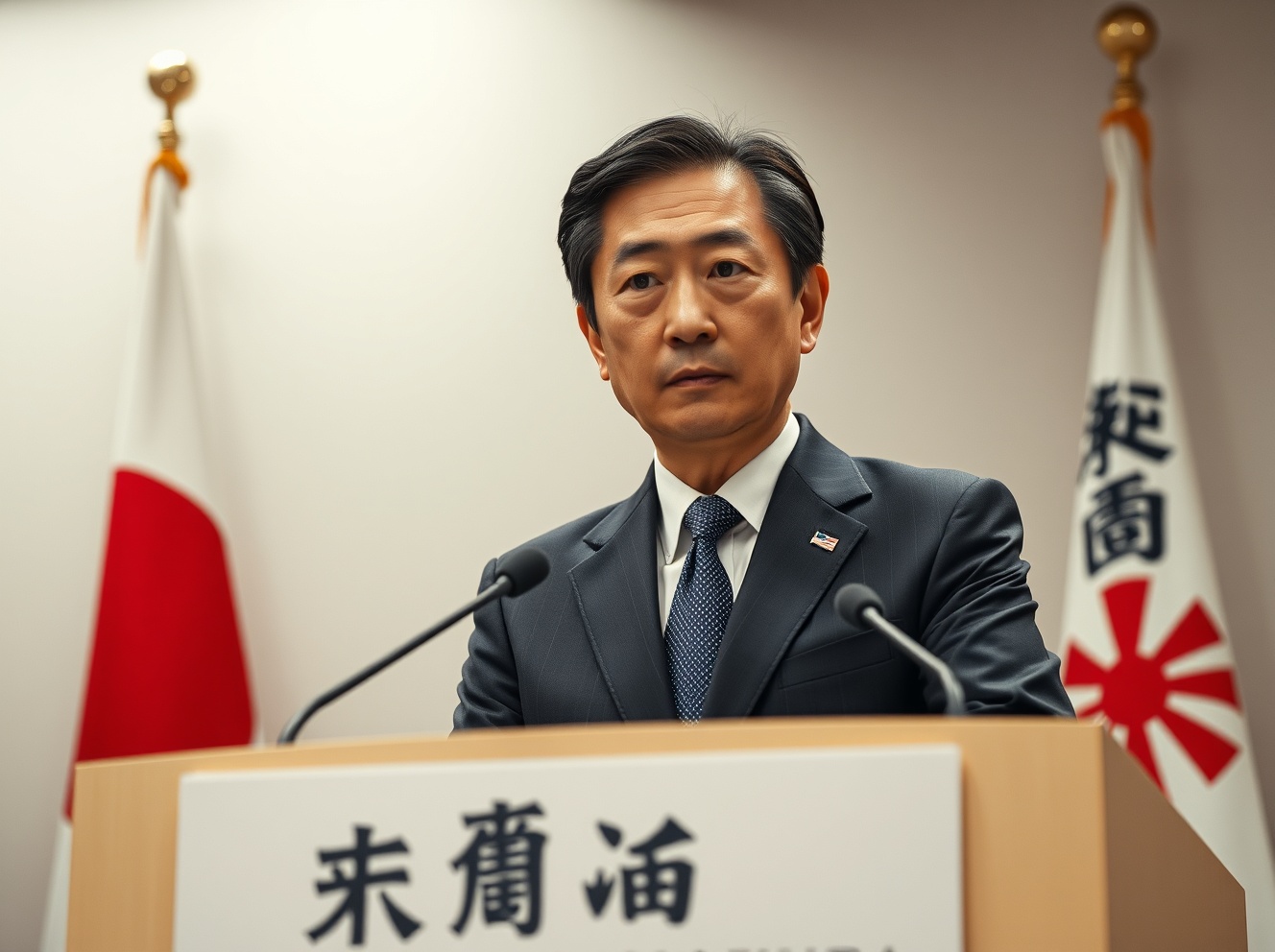
Critical Analysis: Japan’s Katayama Reveals Middle East War Costs Hinge Entirely on Conflict Duration
TOKYO, Japan – Japanese Finance Minister Shunichi Katayama delivered a sobering assessment today, emphasizing that accurate economic cost projections for the ongoing Middle East conflict depend fundamentally on one critical variable: how long the hostilities persist. This statement comes amid growing global concern about regional stability and its worldwide economic repercussions.
Middle East War Cost Projections Face Uncertainty
Minister Katayama addressed financial analysts and journalists during a quarterly briefing at the Ministry of Finance. He presented detailed charts showing multiple economic scenarios based on different conflict timelines. Furthermore, these projections illustrate how extended hostilities create compounding effects on global markets. The Japanese government maintains contingency plans for various duration scenarios. However, Katayama stressed that short-term estimates differ dramatically from long-term projections.
Japan, as the world’s third-largest economy, possesses particular vulnerability to Middle Eastern instability. The nation imports approximately 90% of its crude oil from this region. Consequently, any disruption to shipping lanes or production facilities immediately affects Japanese energy security. Historical data from previous regional conflicts supports this assessment. For instance, the 1990 Gulf War caused temporary oil price spikes that impacted Japanese manufacturing costs.
Global Economic Implications of Prolonged Conflict
The finance minister’s analysis extends beyond Japan’s borders. International financial institutions monitor the situation closely. The World Bank recently revised its global growth forecast downward by 0.5 percentage points. Similarly, the International Monetary Fund warned about inflationary pressures from energy markets. These organizations reference similar duration-dependent modeling in their reports.
Expert Perspectives on Conflict Duration
Regional security analysts provide context for Katayama’s economic assessment. Dr. Akira Tanaka, senior fellow at the Japan Institute of International Affairs, explains the correlation. “Conflict duration directly determines several key factors,” Tanaka states. “These include infrastructure damage scale, displacement numbers, and trade route disruptions. Each additional month of fighting multiplies reconstruction costs and humanitarian needs.”
Energy economists echo this duration-focused analysis. Professor Maria Chen from Singapore University studies Asian energy markets. “Short conflicts cause temporary price volatility,” Chen explains. “However, prolonged engagements trigger structural market changes. These changes include long-term contract renegotiations and supply chain diversification. Japan’s cost estimates must account for both immediate and systemic impacts.”
Japan’s Strategic Response and Contingency Planning
The Japanese government implements several protective measures. These actions aim to mitigate economic exposure to Middle Eastern volatility. Strategic petroleum reserves currently stand at 90 days of consumption coverage. Additionally, the Ministry of Economy, Trade and Industry accelerates renewable energy investments. This diversification strategy reduces fossil fuel dependence over the next decade.
Japanese corporations with Middle Eastern operations enact their own contingency plans. Major trading houses like Mitsubishi and Mitsui maintain crisis management teams. These teams monitor local developments continuously. Furthermore, they develop alternative supply routes and inventory buffers. Corporate risk assessments now include detailed duration scenarios similar to government models.
Comparative Analysis with Previous Regional Conflicts
Historical precedents inform current projections. The following table compares economic impacts based on conflict duration:
| Conflict | Duration | Global Oil Price Increase | Japanese GDP Impact |
|---|---|---|---|
| Gulf War (1990-91) | 7 months | +125% | -0.8% |
| Iraq War (2003-11) | 8 years | +280% | -1.2% annually |
| Syrian Civil War | Ongoing | +65% | -0.3% annually |
This comparative data reveals clear patterns. Longer conflicts create more sustained economic pressures. They also generate secondary effects like refugee crises and regional destabilization. These factors further complicate economic forecasting and response planning.
Regional Stability and International Diplomacy Efforts
Japan participates actively in diplomatic initiatives to reduce conflict duration. Foreign Ministry officials engage with all regional stakeholders. These efforts include humanitarian aid coordination and reconstruction planning. Japan contributes substantially to United Nations peacekeeping operations in the region. Additionally, Japanese diplomats facilitate dialogue between conflicting parties when possible.
The economic rationale for diplomatic engagement remains clear. Every month of reduced conflict duration saves billions in global economic costs. It also prevents humanitarian suffering on a massive scale. Japan’s dual approach combines economic preparedness with diplomatic engagement. This strategy reflects the interconnected nature of modern global challenges.
Conclusion
Finance Minister Shunichi Katayama’s assessment highlights a fundamental economic reality. Middle East war cost projections remain inherently uncertain because they depend entirely on conflict duration. Japan’s detailed scenario planning demonstrates prudent economic management. However, the ultimate economic impacts will reflect geopolitical developments beyond any single nation’s control. The international community now recognizes duration as the critical variable for Middle East conflict cost estimation. This understanding should inform both economic planning and diplomatic efforts moving forward.
FAQs
Q1: Why does Japan’s Finance Minister emphasize conflict duration specifically?
Minister Katayama focuses on duration because it determines the scale of infrastructure damage, displacement, and trade disruptions. Short conflicts cause temporary market volatility, while prolonged engagements trigger structural economic changes that require different policy responses.
Q2: How vulnerable is Japan to Middle Eastern energy disruptions?
Japan imports approximately 90% of its crude oil from the Middle East, making it particularly vulnerable to regional instability. The country maintains 90-day strategic petroleum reserves and is accelerating renewable energy investments to reduce this dependence.
Q3: What historical evidence supports the duration-cost relationship?
The 1990 Gulf War (7 months) caused different economic impacts than the 8-year Iraq War. Longer conflicts create sustained price pressures and require different contingency planning, as shown in comparative economic data from previous regional conflicts.
Q4: How are Japanese corporations responding to this uncertainty?
Major trading houses maintain crisis management teams that monitor developments continuously. They develop alternative supply routes, inventory buffers, and duration-based scenario planning similar to government models to mitigate operational risks.
Q5: What role does Japan play in diplomatic efforts to reduce conflict duration?
Japan participates actively in regional diplomacy through UN peacekeeping contributions, humanitarian aid coordination, and facilitation of dialogue between conflicting parties. These efforts aim to reduce conflict duration and associated economic costs.
This post Critical Analysis: Japan’s Katayama Reveals Middle East War Costs Hinge Entirely on Conflict Duration first appeared on BitcoinWorld.


추천 콘텐츠

Critical USDT0 Response to Drift Hack Exposes Stark Contrast in Stablecoin Security Protocols

Pi Network Testnet Shows Real Progress With Live Payments and Smart Contracts




