Ukraine Oil Attack Derails Trump’s Price Plan, Raising Bitcoin Macro Risk
Ukraine has stepped up drone strikes on Russian oil facilities in recent weeks, threatening to push global oil prices higher. That matters for Bitcoin holders because rising oil prices can reignite inflation, which could delay the interest rate cuts many crypto investors are counting on.
The connection between a war in Eastern Europe and your Bitcoin wallet might not be obvious at first. But in today’s connected global economy, an oil supply shock can ripple through markets in ways that directly affect crypto prices.
Ukraine Targets Russian Oil Infrastructure in Escalating Campaign
Ukrainian drones have struck a major Russian oil port near the Finnish border and hit key energy facilities across multiple regions. The attacks have targeted oil depots, refineries, and export terminals in a sustained campaign against Russia’s energy export capability.
Russia remains one of the world’s largest oil exporters, supplying roughly 7-8 million barrels per day to global markets. Even partial disruptions to that supply can move global oil prices, since the market operates on thin margins between supply and demand.
Consecutive nights of drone strikes on energy facilities in Russia’s Leningrad Oblast signal that Ukraine is deliberately targeting infrastructure that funds Russia’s war effort. Brent crude and WTI (the two main oil price benchmarks) have shown upward pressure following these attacks.
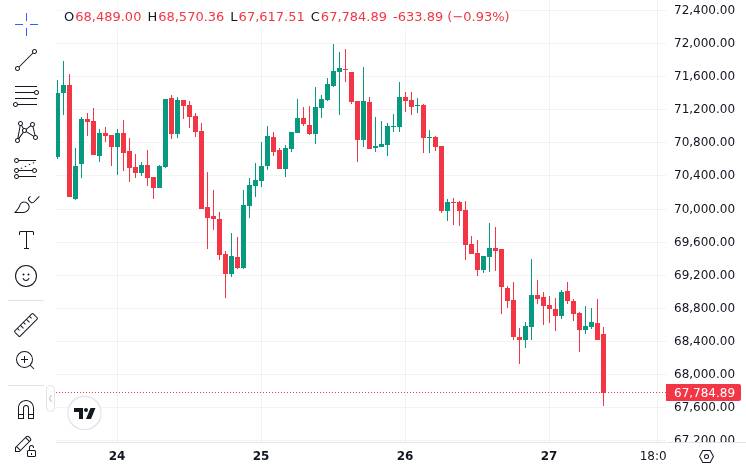 Bitcoin’s recent price action reflects broader market uncertainty driven by geopolitical events. Source: CoinMarketCap
Why This Complicates Trump’s Plan to Lower Oil Prices
The Trump administration has made cheaper energy a centerpiece of its economic agenda. The “Drill, Baby, Drill” policy aims to boost U.S. oil production, while diplomatic pressure on OPEC+ (the group of major oil-producing nations) is meant to keep global supply high and prices low.
Lower oil prices help fight inflation, which is the persistent rise in everyday costs that has frustrated consumers and worried policymakers. Cheaper gasoline and heating fuel leave households with more money to spend elsewhere.
But Ukraine’s attacks create a problem. Even as the U.S. ramps up domestic drilling, a major disruption to Russian exports could offset those gains. The Trump administration has reportedly warned Ukraine that strikes on Russian energy infrastructure conflict with U.S. economic interests.
U.S. domestic production, while at record levels, cannot single-handedly replace disrupted Russian supply in the short term. Saudi Arabia and other OPEC+ members have shown little urgency to increase their own output to fill the gap.
The Chain Reaction That Reaches Bitcoin
Here is how an oil price spike can affect Bitcoin prices thousands of miles away. Think of it as a chain of dominoes.
First, higher oil prices push up the cost of transportation, manufacturing, and heating. That feeds into broader inflation. When inflation stays elevated, the Federal Reserve (the U.S. central bank that sets interest rates) is less likely to cut rates.
Rate cuts matter enormously for Bitcoin. Lower interest rates make safe investments like savings accounts and government bonds less attractive. That pushes investors toward riskier, higher-reward assets like stocks and crypto. The expectation of rate cuts has been one of the key drivers behind large-scale Bitcoin accumulation by whales and sharks in recent months.
If an oil shock delays those expected rate cuts, it removes a major tailwind for crypto markets. Bitcoin has historically struggled during periods when the Fed keeps rates high. During the 2022 energy crisis triggered by Russia’s initial invasion of Ukraine, Bitcoin fell from around $47,000 in March to below $20,000 by June as inflation surged and the Fed raised rates aggressively.
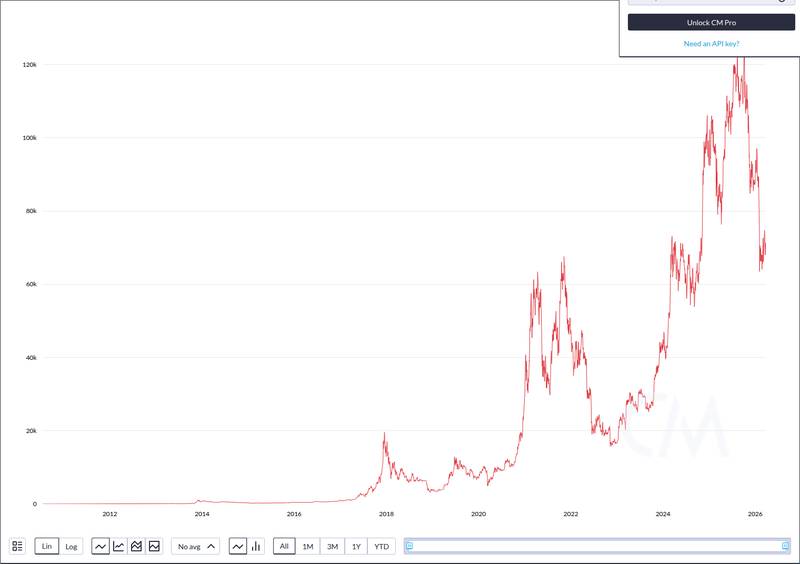 On-chain metrics provide additional context for Bitcoin’s network health during periods of macro uncertainty. Source: CoinMetrics
Bitcoin often moves in tandem with the Nasdaq and other technology stocks during macro risk-off events, when investors flee from volatile assets toward safer options. An oil-driven inflation scare could trigger exactly that kind of broad sell-off across risk assets.
The broader crypto market is already navigating headwinds. Ethereum spot ETFs recently recorded a $92.5 million net outflow during a seven-day streak of withdrawals, suggesting institutional investors are growing cautious. At the same time, Bitcoin has outperformed gold during recent geopolitical stress events, which could provide a partial buffer if investors view BTC as a digital safe haven.
What to Watch Next
For Bitcoin holders, the key data points to monitor are oil prices and inflation readings. If Brent crude pushes significantly higher due to sustained Russian supply disruptions, expect market discussion about delayed Fed rate cuts to intensify.
The next U.S. Consumer Price Index (CPI) report, which measures inflation, will be critical. If energy costs push CPI higher than expected, the probability of near-term rate cuts on the CME FedWatch tool (a market-based gauge of rate expectations) will likely drop, putting pressure on Bitcoin and other risk assets.
A ceasefire, an OPEC+ production increase, or a diplomatic resolution could quickly ease oil price pressure. But as long as Ukraine continues targeting Russian energy infrastructure, this geopolitical risk will remain a factor for both oil markets and Bitcoin.
Disclaimer: This article is for informational purposes only and does not constitute financial or investment advice. Cryptocurrency and digital asset markets carry significant risk. Always do your own research before making decisions.
You May Also Like

Senate Bill Takes Aim at Officials Betting on Prediction Markets With Insider Information

MoneyGram launches stablecoin-powered app in Colombia