

CFTC Chief Lays Out Sweeping Crypto and Market Modernization Agenda
- CFTC Chair Selig is pushing a “minimum effective dose” regulation model to keep crypto innovation onshore
- The agency is targeting perpetual futures, tokenized collateral, and prediction markets under a unified framework
- A joint CFTC-SEC initiative aims to end crypto jurisdictional confusion with a common federal taxonomy
- Rulemaking for blockchain-based derivatives infrastructure is targeted for completion by August 2026
The framework, still taking shape in early 2026, touches nearly every corner of the derivatives landscape: crypto-linked perpetual futures, tokenized collateral, prediction markets, and AI infrastructure. At its center is a bet that lighter-touch, principles-based oversight will keep markets competitive and innovation domestic – rather than pushing both offshore.
The Crypto Push
The centerpiece of Selig’s agenda is Project Crypto, a joint initiative with the SEC designed to build a coherent federal oversight structure for digital assets – something the industry has demanded for years amid conflicting agency jurisdictions.
The initiative has three main components. First, a unified taxonomy that draws a clear legal line between digital securities and digital commodities. Second, a framework to bring perpetual futures – a derivatives product that has flourished in offshore markets – into U.S. regulatory territory. Third, an expansion of collateral rules to allow high-quality tokenized assets, including stablecoins, to be used in derivatives clearing.
The perpetual futures push is particularly notable. These instruments, popular in crypto trading globally, have largely operated outside U.S. regulatory reach. Selig wants to change that, arguing that transparent domestic frameworks serve both investors and market integrity better than the current offshore status quo.
Prediction Markets and the “Turf War”
Selig has made no secret of his ambition to position the CFTC as the sole federal regulator for event contracts – essentially political and economic prediction markets. The sector has grown at a pace few anticipated: monthly volumes hit $13 billion by late 2025, representing more than 130-fold growth from 2024.
State gaming commissions have long contested federal jurisdiction over these products, creating an unresolved regulatory grey area. Selig’s goal is to end that standoff and establish the CFTC as what he calls the “gold standard” regulator for the space.
Enforcement Philosophy Shift
Perhaps the sharpest departure from recent agency practice is Selig’s stated intent to end “regulation by enforcement.” Under his watch, the CFTC intends to prioritize fraud, market abuse, and direct consumer harm – and deprioritize technical violations around recordkeeping or reporting.
READ MORE:
Americans Are Too Scared to Quit Their Jobs, New Fed Survey Finds
He’s also targeting what he calls “unwritten rules”: informal staff guidance, no-action letters, and other quasi-regulatory positions that he argues have functioned as barriers without going through formal rulemaking. A comprehensive review of these is underway.
The Numbers Behind the Vision
The CFTC currently oversees a swaps market with an estimated notional value exceeding $400 trillion. It is doing so with roughly 600 staff – a headcount that reflects approximately a 20% reduction from prior levels. The agency is actively looking to fill around a dozen open positions as it realigns toward what Selig frames as “core” responsibilities: agriculture, energy, and critical minerals.
Non-core areas – climate risk chief among them – are being deprioritized.
Rulemaking to formally accommodate blockchain technology within derivatives infrastructure is targeted for completion by August 2026. Whether the agency has the staffing and political runway to meet that deadline remains an open question.
The information provided in this article is for educational purposes only and does not constitute financial, investment, or trading advice. Coindoo.com does not endorse or recommend any specific investment strategy or cryptocurrency. Always conduct your own research and consult with a licensed financial advisor before making any investment decisions.
The post CFTC Chief Lays Out Sweeping Crypto and Market Modernization Agenda appeared first on Coindoo.
You May Also Like

VAT reductions seen viable with exemption crackdown
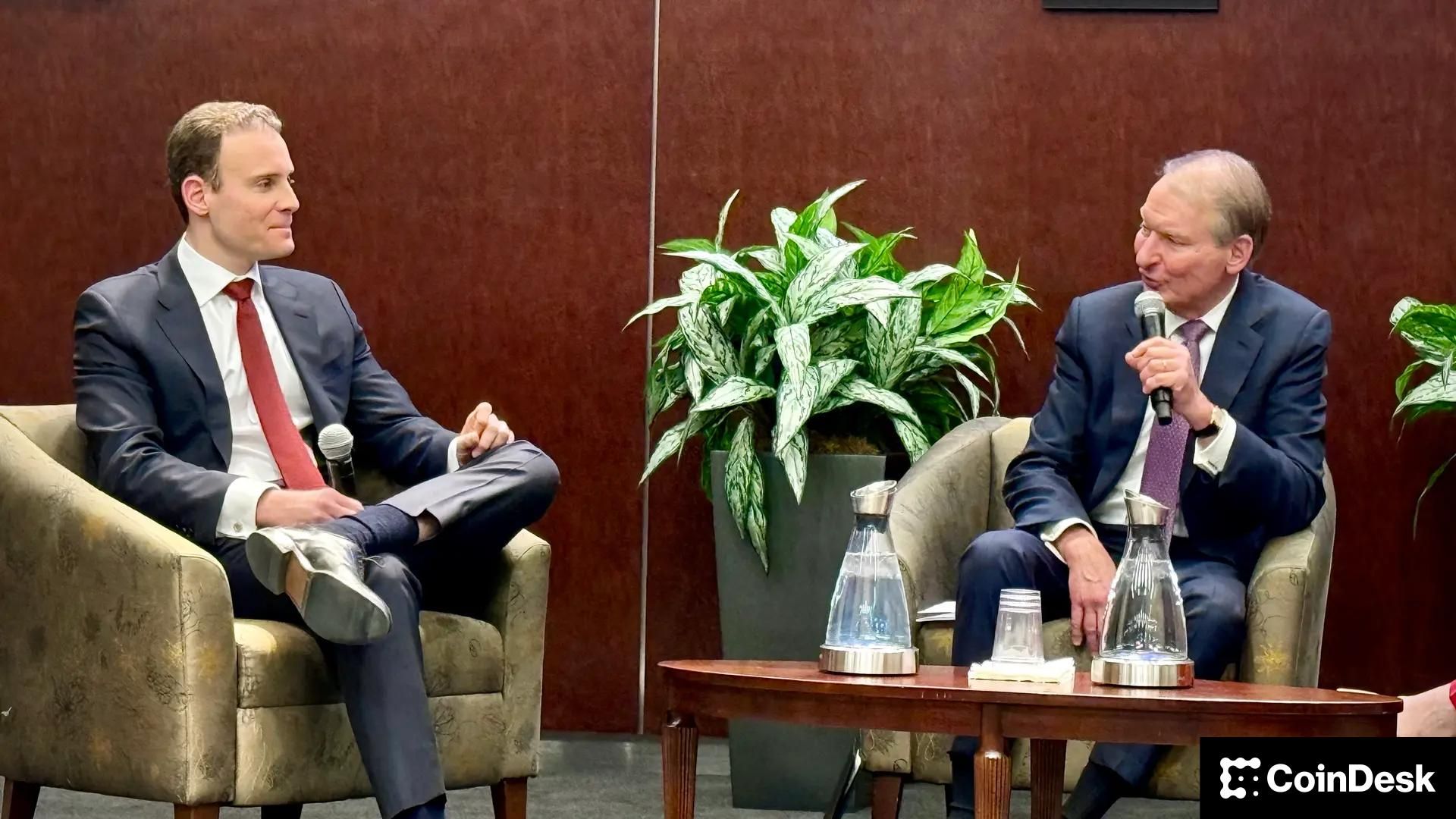
U.S. SEC chief Atkins said bond with sister agency CFTC to include joint meetings, exams
Copy linkX (Twitter)LinkedInFacebookEmail
