

KRWQ stablecoin adoption sets a first with Chainlink reserve proof
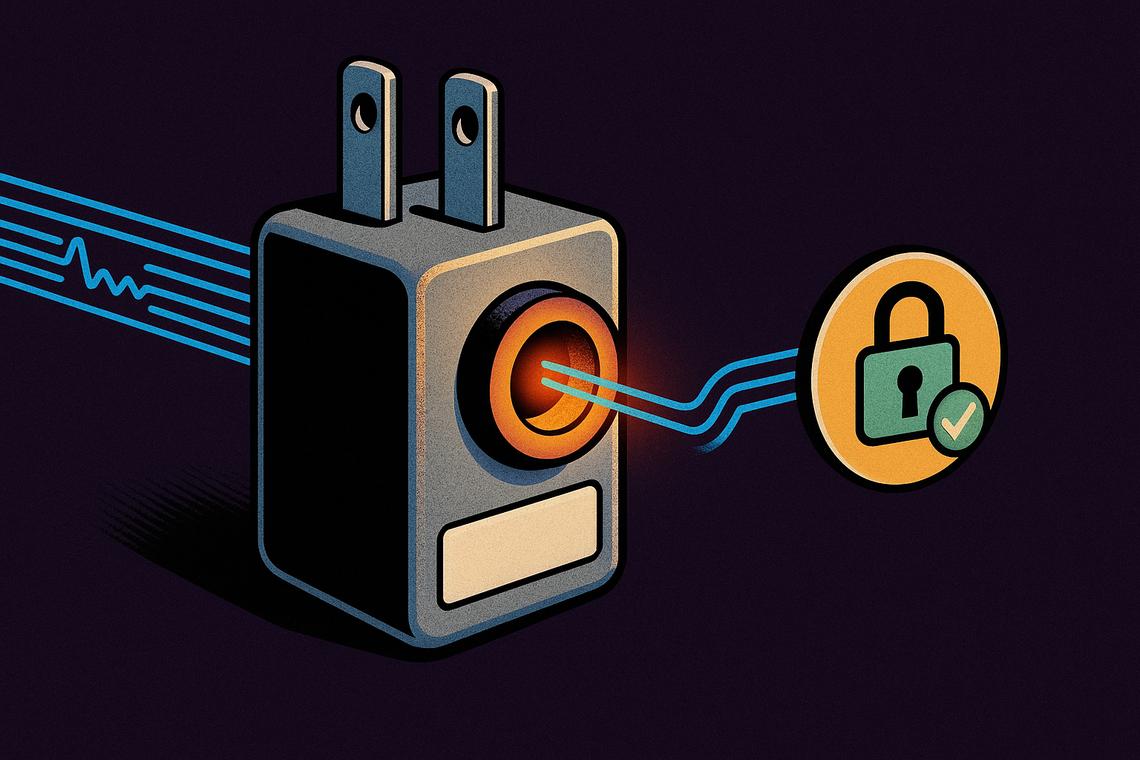
The KRWQ stablecoin adoption of Chainlink’s oracle technology marks a quiet but significant turning point for the Korean won’s presence in onchain finance. Announced on June 16, 2026, from Seoul, the integration positions KRWQ as the first Korean won-backed stablecoin to use Chainlink Proof of Reserve for fully automated reserve verification — a move that speaks directly to the trust problem that has long shadowed fiat-backed digital assets.
Key takeaways
- KRWQ, developed by IQ and Frax, is the world’s largest Korean won stablecoin, built on the Solana blockchain.
- KRWQ is the first Korean won-backed stablecoin to use Chainlink Proof of Reserve for automated, tamper-proof reserve verification.
- Chainlink’s oracle platform delivers real-time verification of KRWQ’s offchain reserves via a dedicated KRWQ Chainlink Data Stream.
- The integration is designed to enhance transparency, support regulatory readiness, and accelerate adoption across DeFi and institutional markets.
- Both Johann Eid (Chainlink Labs) and Dave Shin (KRWQ) highlighted real offchain backing as a prerequisite for onchain stablecoin credibility.
KRWQ Leads the Korean Won Onchain FX Market
KRWQ holds a singular position in the Korean won digital asset space. Built jointly by IQ and Frax, it is currently the world’s largest Korean won stablecoin by any meaningful measure — and it runs on Solana, one of the fastest and highest-throughput blockchains available today.
That combination of scale and infrastructure gives KRWQ a natural role as the anchor of the onchain Korean won foreign exchange market. But size alone does not guarantee trust. In a sector where stablecoin collapses have left real financial damage, users and institutions need more than a promise of backing — they need proof.
That is precisely what this Chainlink integration is designed to deliver.
Adopting Chainlink for Automated Reserve Verification
The core of this development is straightforward: KRWQ has chosen Chainlink as its oracle platform to bring automated reserve verification to its Korean won stablecoin. This is not a cosmetic compliance step — it represents a structural upgrade to how KRWQ demonstrates the integrity of its offchain reserves.
Chainlink Proof of Reserve Integration
Through a dedicated KRWQ Chainlink Data Stream, Chainlink Proof of Reserve now provides tamper-proof, real-time verification of the offchain assets backing KRWQ. The mechanism removes the need for manual attestations or periodic audits that can lag behind real-world reserve movements. Instead, verification happens continuously and on-chain, visible to anyone who chooses to check.
For stablecoin users and DeFi protocols integrating KRWQ, that shift matters enormously. It means the reserve status of the token is not a matter of trusting a company’s word — it is a verifiable, algorithmically confirmed data point delivered by an industry-standard oracle network.
A First for Korean Won-Backed Stablecoins
No other Korean won-backed stablecoin has reached this level of automated verification. KRWQ’s adoption of Chainlink Proof of Reserve is a category first — and in a competitive stablecoin environment where differentiation increasingly comes down to credibility infrastructure rather than just peg mechanics, that distinction carries real weight.
Why Transparency and Regulatory Readiness Matter Now
The broader context here is not subtle. Regulators around the world are tightening their expectations for stablecoin issuers, and the ability to demonstrate real, auditable offchain backing is fast becoming a baseline requirement rather than a competitive advantage. By adopting Chainlink’s verification system, KRWQ is positioning itself ahead of that curve — building the kind of trust and risk management infrastructure that institutional counterparties increasingly require before engaging with a digital asset.
Transparency and reliability are not just marketing language for fiat-backed stablecoins. They are the functional requirements that determine whether a stablecoin gets integrated into DeFi protocols, accepted by exchanges, or considered viable by financial institutions. Every layer of verifiable proof that KRWQ adds makes those outcomes more likely.
Industry Perspectives on KRWQ’s Innovation
Johann Eid, Chainlink Labs: Trust Needs Data Infrastructure
Johann Eid, Chief Business Officer at Chainlink Labs, framed the integration as a necessary condition for accelerating adoption across onchain finance. “To accelerate adoption across onchain finance, stablecoins need to prove that they are backed by real offchain value,” Eid said, “and Chainlink’s industry-standard oracle platform provides the secure data infrastructure needed to make KRWQ more transparent and ready for distribution across DeFi.”
That framing is analytically important. Eid is not describing Chainlink as a luxury add-on — he is positioning verifiable offchain backing as a prerequisite for any stablecoin that wants to operate credibly at scale. The message to the broader market is clear: oracle-verified reserves are becoming table stakes.
Dave Shin, KRWQ: Reliability as a Foundation for Institutional Adoption
Dave Shin, Chief Operation Officer of KRWQ, pointed to the integration as a direct enabler of institutional ambitions. “By adopting Chainlink Proof of Reserve, we are providing users and developers with real-time, tamper-proof verification of KRWQ’s reserve backing, establishing the trust and risk management standards required for broader DeFi and institutional adoption,” Shin said.
Shin also highlighted KRWQ’s position as the largest Korean won stablecoin on Solana as context for why this partnership matters at a market level — not just for individual users, but for the growth of the entire onchain Korean won FX ecosystem.
What emerges from both perspectives is a consistent thesis: the path from niche DeFi asset to institutionally viable instrument runs through provable, real-time reserve verification. KRWQ has now taken that step, and it will be difficult for any competing Korean won stablecoin to credibly claim the same level of transparency without following suit.
FAQ
What makes KRWQ unique among Korean won stablecoins?
KRWQ is the world’s largest Korean won stablecoin, developed by IQ and Frax and built on the Solana blockchain. It is also the first Korean won-backed stablecoin to use Chainlink Proof of Reserve for automated reserve verification, setting a new standard for transparency in this asset class.
How does Chainlink enhance KRWQ’s transparency?
Chainlink Proof of Reserve, delivered through a dedicated KRWQ Chainlink Data Stream, provides tamper-proof, real-time verification of KRWQ’s offchain reserves. This replaces periodic manual attestations with continuous, on-chain verifiable data, giving users and developers a reliable view of reserve backing at any time.
Why is automated reserve verification important for stablecoins?
Automated reserve verification helps prove that a stablecoin is genuinely backed by real offchain assets, removing the need to rely solely on issuer claims or infrequent audits. This boosts user trust, satisfies increasingly strict regulatory expectations, and makes the stablecoin more credible for DeFi protocol integrations and institutional use.
What impact does this integration have on KRWQ’s market adoption?
The integration is designed to accelerate KRWQ’s distribution within the onchain Korean won FX market and support broader adoption across DeFi and institutional finance. By meeting the transparency and risk management standards that institutions require, KRWQ becomes a more viable counterparty for a wider range of participants in the onchain economy.
Article produced with the assistance of artificial intelligence and reviewed by the editorial team.


You May Also Like

ETH Enters High-Stakes Decision Zone
Jeff Bezos Just Raised $12 Billion. He’s Betting His Newest Business Will Create the Next Elon Musk or Henry Ford

American Fusion CTO Invited to Present Texatron Fusion Engine at ICOPS 2026



