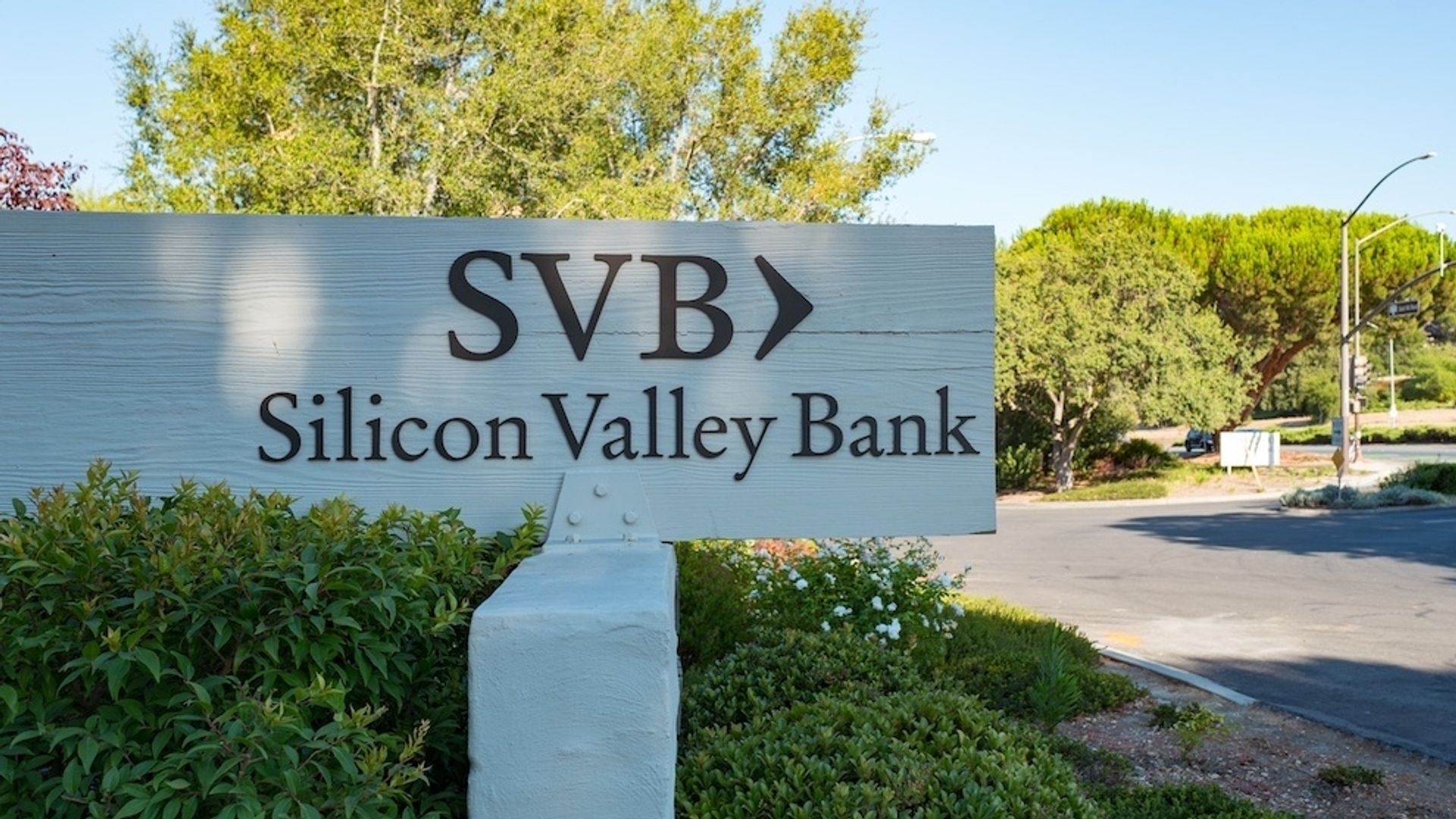
Bitcoin-Backed Lending Market Shifts Toward Institutional Players, SVB Report Finds
BitcoinWorld
Bitcoin-Backed Lending Market Shifts Toward Institutional Players, SVB Report Finds
The market for loans secured by Bitcoin is undergoing a structural transformation, with institutional players increasingly dominating a space once driven by retail borrowers, according to a new analysis from Silicon Valley Bank (SVB). The report, cited by CoinDesk, highlights that Bitcoin has matured into a recognized collateral asset offering unique advantages such as immediate liquidation, global trading, rapid settlement, and fungibility.
Institutional Adoption Accelerates
SVB’s analysis notes that major U.S. banks are beginning to offer Bitcoin-backed lending services, marking a significant shift from earlier years when such products were largely confined to crypto-native platforms. This institutional entry brings greater liquidity, standardized processes, and regulatory oversight to a market that has historically operated on the fringes of traditional finance.
The broader crypto-backed loan market has grown by 49% over the past year, reaching an estimated $67 billion. Within this, the segment specifically focused on Bitcoin-backed loans to individuals is currently valued at around $3 billion. However, SVB projects this figure could expand to $1 trillion within the next decade, driven by rising demand for liquidity from long-term Bitcoin holders.
Why Bitcoin Works as Collateral
The report emphasizes that Bitcoin’s characteristics make it particularly suitable as collateral. Unlike traditional assets such as real estate or equities, Bitcoin can be liquidated nearly instantly on global exchanges, operates on a 24/7 settlement cycle, and is highly fungible. These properties reduce counterparty risk for lenders and enable faster loan processing.
For institutional lenders, the ability to rapidly value and liquidate collateral is a key advantage. Traditional collateral like property requires appraisals and lengthy legal processes, while Bitcoin prices are transparent and continuously updated on public exchanges.
Implications for Long-Term Holders
For Bitcoin holders who have accumulated significant positions but are reluctant to sell due to tax implications or belief in long-term appreciation, Bitcoin-backed loans offer a way to access liquidity without triggering a taxable event. SVB’s analysis suggests that as this demographic grows, so too will demand for such lending products.
However, the market is not without risks. Bitcoin’s price volatility means lenders must carefully manage loan-to-value ratios and margin requirements. A sharp price decline can trigger margin calls or liquidations, potentially creating systemic risks if institutional exposure becomes too concentrated.
Conclusion
SVB’s report underscores a maturing market where Bitcoin is increasingly treated as a legitimate financial asset rather than a speculative instrument. The shift toward institutional participation brings both opportunities and challenges, but the trajectory points toward significant growth. As more traditional banks enter the space, the infrastructure for Bitcoin-backed lending is likely to become more robust, potentially reshaping how long-term holders manage their wealth.
FAQs
Q1: What is a Bitcoin-backed loan?
A Bitcoin-backed loan is a type of secured loan where the borrower pledges Bitcoin as collateral. The lender provides cash or stablecoins in return, and the loan is typically over-collateralized to account for Bitcoin’s price volatility.
Q2: Why are institutions entering the Bitcoin-backed lending market?
Institutions are attracted by Bitcoin’s unique collateral properties — immediate liquidation, global trading, rapid settlement, and fungibility. The growing demand from long-term holders for liquidity without selling their Bitcoin also presents a significant revenue opportunity.
Q3: What are the risks of Bitcoin-backed lending?
The primary risk is Bitcoin’s price volatility. A sharp drop in Bitcoin’s value can trigger margin calls or forced liquidations. For lenders, managing loan-to-value ratios and maintaining adequate buffers is critical to avoid losses.
This post Bitcoin-Backed Lending Market Shifts Toward Institutional Players, SVB Report Finds first appeared on BitcoinWorld.


You May Also Like

California inks deal with Anthropic to offer Claude to state agencies at half price

Ethena Partners With BlackRock to Bring USDe to Aladdin Using BUIDL